


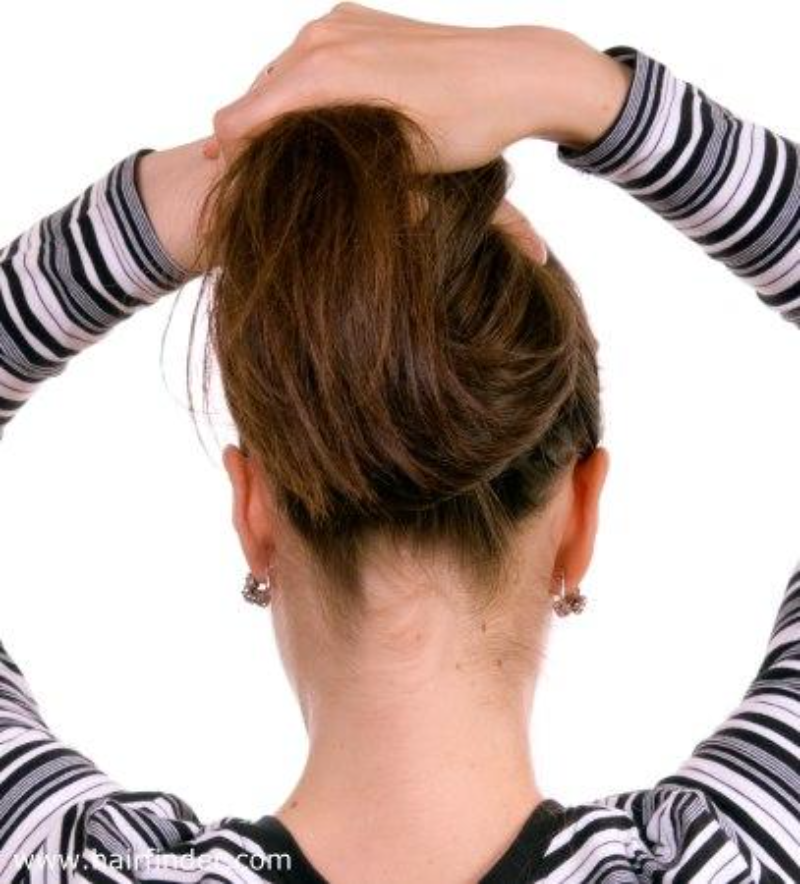

Hair on the neck can be an aesthetic concern for many people. Genetic factors play an important role in the formation of these hairs. If you observe that your family members experience similar issues, genetic predisposition may explain this situation. Especially hormonal changes can affect the level of hair growth. For example, processes such as puberty, pregnancy, or menopause can cause changes in hormone levels and increase hair growth.
Various health conditions may also trigger the formation of hair on the neck. Conditions that cause hormonal imbalances, such as polycystic ovary syndrome (PCOS), can lead to an increase in unwanted hair on the body. For such cases, medical evaluation and treatment are recommended. Additionally, some medications and treatments may also increase hair growth. Therefore, it is important to consult your doctor during medication use.
Finally, lifestyle and environmental factors may also influence hair growth. Stress, unhealthy nutrition, and irregular sleep habits can disrupt hormonal balance and increase hair growth. Therefore, adopting a healthy lifestyle may help reduce the amount of hair on the neck.
Methods for Removing Hair on the Neck
There are many methods for removing hair on the neck. These include traditional methods such as shaving, waxing, threading, and tweezing. Each method has its own advantages and disadvantages.
Shaving: Provides a fast and painless solution. However, since hair is not removed from the root, it grows back quickly and may need to be done more frequently.
Waxing: Removes hair from the root, providing longer-lasting smoothness. However, waxing can be painful and may cause irritation on some skin types.
Threading and Tweezing: It is possible to remove hair from the root using threading or tweezers. These methods are suitable for smaller areas and may take more time.
For those looking for more long-term solutions, modern methods such as laser hair removal are also available. These methods may extend the regrowth time and help reduce hair over time.
Laser Chin Hair Removal: How Does It Work?
Laser removal of chin hair can be an effective option for those seeking a more long-term solution. In this process, the laser device sends targeted light energy to the hair follicles. This energy is absorbed by the pigment in the follicles and weakens them. Over time, these follicles may reduce hair production.
Multiple sessions may be required for laser hair removal to be effective. Each session is planned according to the hair growth cycle. Hair in different growth phases may be affected at different rates in each session. Therefore, completing several sessions is recommended for full results.
The effectiveness of this method may vary depending on the individual’s skin and hair color. In general, it is observed to be more effective on darker hair. However, since each individual’s skin structure and hair characteristics are different, a personalized evaluation is important.
Advantages and Disadvantages of Laser Hair Removal
Laser hair removal is a method that offers many advantages. First of all, it provides long-term smoothness and extends the regrowth time of hair. In addition, it causes less pain compared to other methods and can be applied to large areas. This allows faster results, especially in larger areas such as the neck.
However, there are also some disadvantages. First, laser hair removal sessions may be costly. Since different numbers of sessions are required for each individual, the total cost may vary. In addition, laser hair removal may not be suitable for every skin type and hair color. Temporary redness or sensitivity may occur on the skin in some individuals.
Finally, laser hair removal does not promise completely permanent results. Hair may decrease over time but may not disappear completely. Therefore, it is important to keep expectations realistic and make a decision after a professional evaluation.
Laser Hair Removal Process and Session Intervals
The laser hair removal process is carried out by specialists in a professional clinic. First, your skin and hair structure are evaluated, and a personalized treatment plan is created. Each session is usually scheduled at intervals of 4–6 weeks. These intervals are adjusted according to the hair growth cycle.
During each session, light energy is applied to the hair follicles using a laser device. The procedure usually takes between a few minutes and half an hour. While waiting for hair to regrow between sessions, the hair needs to reach a certain length for the next session to be effective.
To achieve fully effective results, 6–8 sessions are generally recommended. However, this number may vary depending on personal factors. Since each individual’s skin type, hair color, and thickness are different, the number and intervals of sessions are personalized.
Things to Consider Before and After Laser Hair Removal
There are some important points to consider before and after laser hair removal. Before the procedure, it is important that the treatment area is clean and free of makeup. In addition, avoiding tanning and using sunscreen is beneficial for skin health. Shaving can be done before the session, but methods such as waxing or tweezing that remove hair from the root are not recommended.
After the procedure, slight redness or sensitivity may occur on the skin. These conditions usually subside in a short time. Applying a cold compress or using a moisturizer can help soothe the skin. It is also important to protect the skin from the sun and avoid direct sunlight exposure.
During and after the laser hair removal process, it is necessary to respect the hair regrowth cycle and be patient. Results will appear over time, and a reduction in hair amount can be observed with each session.
 Call
Call
 Whatsapp