


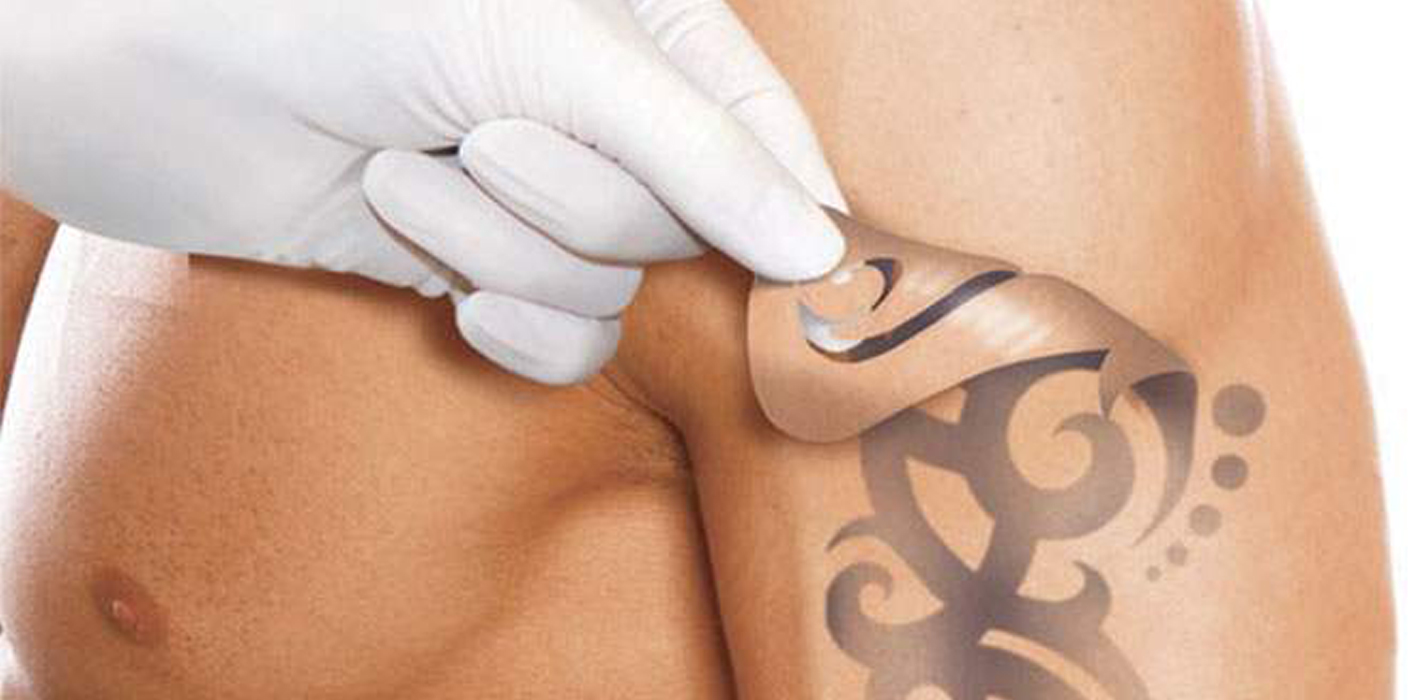

How to Remove a Tattoo with a Laser?
Although a tattoo is one of the ways a person expresses himself/herself, it may lose its meaning over time or may be desired to be removed due to aesthetic concerns. Today, the most frequently preferred method for tattoo removal is laser technology. This method, which is both effective and leaves minimal marks on the skin, offers very successful results when applied correctly. So how is a tattoo removed with a laser? How long does the procedure take, does it hurt, and what should be done afterwards? Here we explain this process step by step in simple and medical language.
How Does Laser Tattoo Removal Work?
Laser devices send light of a special wavelength to the tattoo ink. This light targets the ink pigment in the lower layers of the skin. The laser light breaks down the pigment and makes it capable of being destroyed naturally by the body's defense system.
Disintegration is done by pressure, not heat
The broken down ink is removed from the body through the lymphatic system
The skin surface is not damaged during the procedure, only the pigment is targeted
Which Lasers Are Used?
Different types of lasers are preferred depending on the structure, color and skin type of the tattoo:
Q-Switched Nd:YAG Laser: Used for classic tattoos such as black and dark blue
Pico Laser: Suitable for colored tattoos, layered and difficult to remove tattoos
Alexandrite Laser: Can be preferred in some cases for light colored tattoos
The specialist physician decides which laser to use. The suitability of the device for the skin and the tattoo is critical for the success of the treatment.
Can the Tattoo Be Completely Removed?
The result may vary depending on the color of the tattoo, the depth of the ink, the application technique and the skin type. Most tattoos can be largely or completely removed. However:
For very dark and densely inked tattoos
For amateur (hand-made) tattoos
For colored pigments, especially yellow and green
the removal process may take longer or a very light shadow may remain.
How Many Sessions Are Required?
Laser tattoo removal usually requires more than one session. On average:
The procedure is applied between 4-10 sessions
Session intervals are usually 6-8 weeks
The color, size and age of the tattoo affect the number of sessions
You should be patient during this process and give the skin enough healing time after each session.
Does Laser Tattoo Removal Hurt?
There may be a slight burning, stinging or rubber-like sensation during the application. However:
Pain is minimized with cooling systems
Local anesthetic creams can be applied if necessary
The session duration is usually short, which increases tolerance
Since the pain threshold varies from person to person, it would be useful to consult a doctor about this issue before the procedure.
What Should Be Considered After the Procedure?
The area should be kept clean and dry for the first 48 hours
If there is crusting, it should not be touched by hand
High protection factor sunscreen should be used when going out in the sun
Moisturizing and restorative creams recommended by the dermatologist should be applied regularly
Environments such as pools and saunas should be avoided for a while
A new session should not be started before the skin's healing process is complete.
In Conclusion
Laser tattoo removal has now become a very effective and safe method thanks to modern technology. With the appropriate device selection, expert physician control and regular care, tattoos can be removed to a large extent. Since each individual's skin structure and tattoo characteristics are different, the process should be planned specifically for the person.
If you have decided to have your tattoo removed, the best approach would be to get an evaluation from an experienced dermatologist as the first step.
 Call
Call
 Whatsapp