


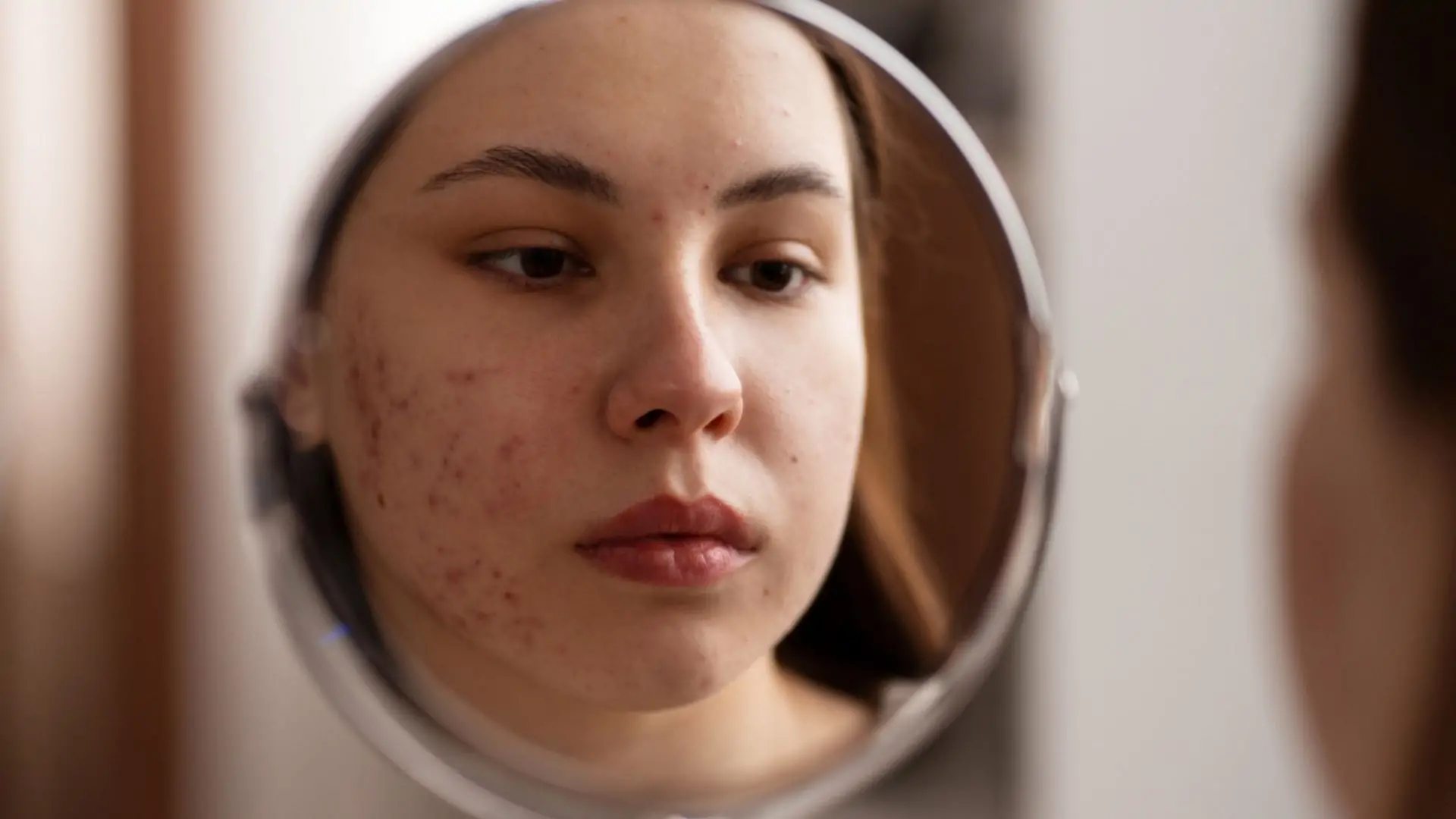

Medical Treatment of Acne Scars and Blemishes
There are different medical treatment methods for scars and blemishes that occur after acne. The choice of treatment varies according to the type of stain (redness, dark spot, hollow scar, etc.), its depth and skin type.
1. Topical Treatments (Creams and Serums)
Retinoids (Tretinoin, Adapalene, Retinol): Reduces blemishes and scars by accelerating skin renewal.
Hydroquinone, Arbutin, Kojic Acid: Helps lighten dark spots by suppressing melanin production.
Vitamin C (Ascorbic Acid): Evens out skin tone and reduces the appearance of blemishes with its antioxidant effect.
Niacinamide: Strengthens the skin barrier and helps reduce redness.
2. Chemical Peeling
Chemical peels containing Alpha Hydroxy Acids (AHA) and Beta Hydroxy Acids (BHA) lighten blemishes and superficial scars by peeling the upper layer of the skin.
Glycolic Acid: Supports skin renewal.
Salicylic Acid: Suitable for oily and acne-prone skin, cleans pores.
TCA Peeling: A powerful peeling method for deeper scars.
3. Laser Treatments
Fractional CO2 Laser: Reduces deep acne scars, accelerates skin renewal.
Q-Switch Laser: Used to lighten dark spots.
IPL (Intense Pulsed Light): Reduces the appearance of redness and spots.
4. Microneedling (Dermapen) and PRP
Dermapen: Increases collagen production by opening microchannels under the skin, allowing scars to heal.
PRP (Platelet Rich Plasma): Supports skin repair with platelets obtained from your own blood.
5. Filling Applications
Hyaluronic acid fillers can be used for deep hollow scars. However, combined treatments are recommended for a permanent solution.
6. Mesotherapy
It provides the removal of spots by injecting vitamins, antioxidants and spot-lightening substances under the skin.
7. Routine Skin Care and Precautions
Using sunscreen (SPF 50+) is the most important stage of spot treatment.
Regular moisturizing and using spot-lightening ingredients are important.
Products that may irritate the skin should be avoided during the treatment process.
 Call
Call
 Whatsapp