


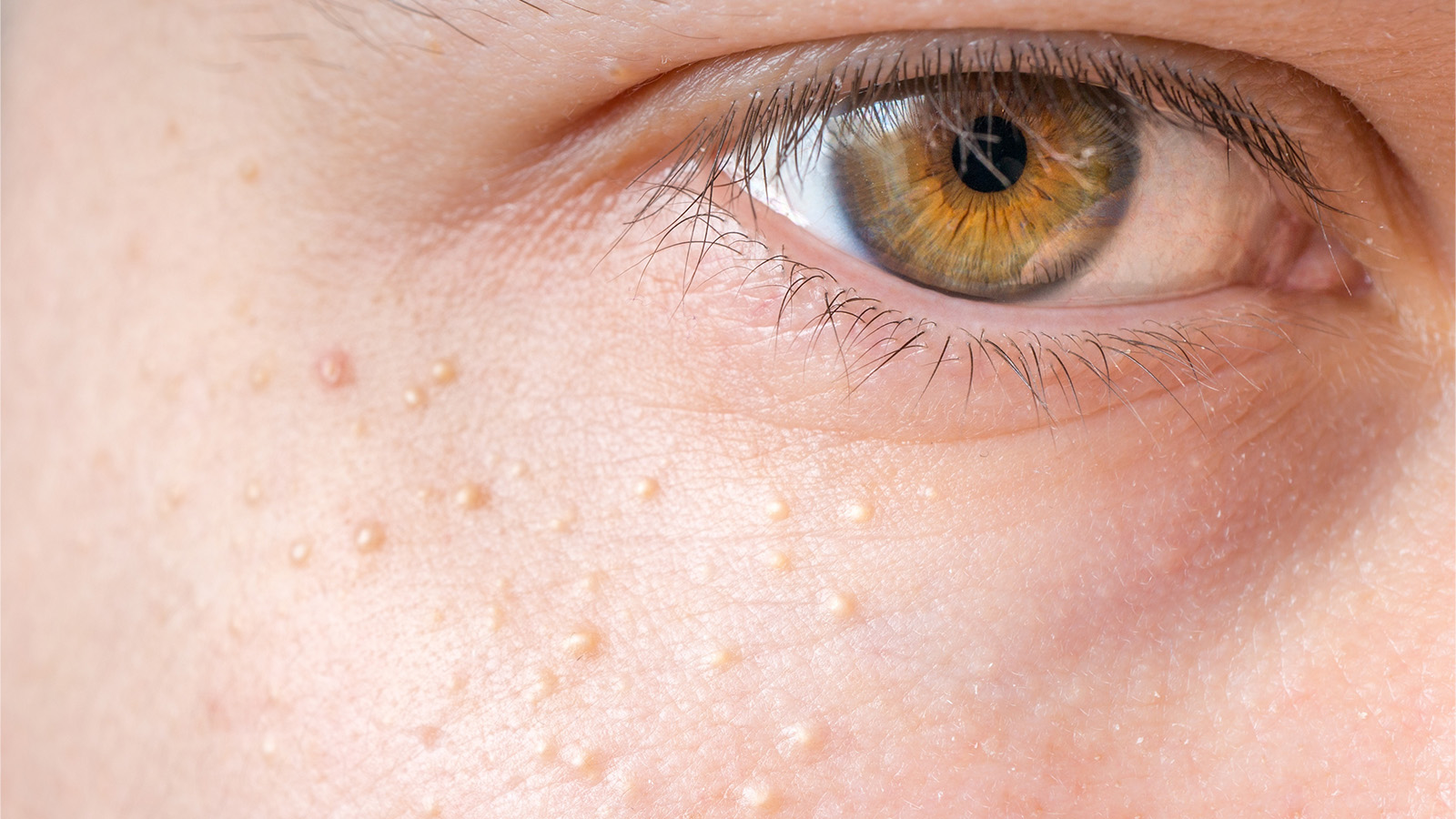

Bumps on the skin are a problem that many people face. These bumps are small bumps that form under the skin and are usually harmless. However, in some cases, these bumps may be a symptom of a more serious health problem. In this article, I will discuss the causes of bumps on the skin, treatment methods and preventive measures.
Causes of Blisters on the Skin
There may be many different reasons for bumps on the skin. Some common causes include:
Acne: Acne is a condition that occurs as a result of blockage in the sebaceous glands in the skin. This blockage can create blackheads or white cysts that appear as bumps on the skin.
Cysts: Cysts are fluid-filled sacs that form in the body. They can occur under the skin or on the skin surface and often appear as bumps.
Lipomas: Lipomas are fatty tissue deposits that form under the skin. These fatty deposits may be soft and mobile and are usually painless.
When Should You See a Doctor for Bumps on the Skin?
Blisters on the skin are usually harmless and can be treated at home. However, in some cases it may be necessary to see a doctor. It is recommended to consult a doctor in the following cases:
Pain or discomfort: If your bumps are painful or uncomfortable, it is important to consult a doctor. This could be a sign of a more serious problem.
Rapid growth: If your bumps are growing rapidly, it is important to see a doctor. This may be a sign of a more serious condition such as cancer.
Color change: If your bumps change color or you experience bleeding, it is important to consult a doctor. These symptoms may be a sign of a serious condition such as skin cancer.
Methods to Treat Skin Blisters at Home
Most skin blisters can be treated at home. Here are some home treatments you can try:
Warm compresses: Applying a warm compress to the bump can help reduce swelling and relieve inflammation. You can use a clean cloth or cotton cloth for this.
Natural oils: Some natural oils can help treat skin bumps. You can especially try oils with antiseptic properties, such as tea tree oil and lavender oil. You can apply these oils directly on the bump.
Diet: A healthy diet and adequate water consumption can improve your skin health. Consuming foods rich in antioxidants can protect your skin and reduce the formation of blisters.
Over-the-Counter Treatments for Skin Blisters
Some over-the-counter products can help treat skin blisters. These products are usually available from pharmacies or online stores. Here are some over-the-counter treatments you can try:
Benzoyl peroxide: Benzoyl peroxide is a compound commonly used to treat acne. If the breakouts are caused by acne, you can try a cream or gel that contains benzoyl peroxide.
Salicylic acid: Salicylic acid can help remove dead skin cells from the skin and speed up the healing process of blisters. A lotion or gel containing salicylic acid can be applied regularly.
Zinc oxide: Zinc oxide can help reduce inflammation in the skin and speed up the healing process of blisters. You can use a cream or ointment that contains zinc oxide.
Medical Treatments for Blisters on the Skin
It is important to remember that blisters on the skin may require medical treatment in some cases. If home remedies or over-the-counter products do not work or if your condition becomes serious, you may need to see a doctor. Here are some treatments a doctor may recommend:
Injections: Some blisters can be treated with corticosteroid injections. These injections can help shrink and reduce the bump.
Cauterization: Cauterization is a method of treating the lesion by burning or freezing it. This treatment method can make the rash disappear completely.
Surgical intervention: In some cases, the bumps may need to be removed surgically. This is often the preferred treatment for large or uncomfortable bumps.
Preventing Skin Blisters
Some of the bumps on the skin can be prevented. Here are some precautions you can take to prevent blemishes from forming:
Keep your skin clean: Cleansing your skin daily can help prevent blisters from forming. Wash your face and moisturize your skin using a mild cleanser.
Be careful when choosing make-up products: When choosing make-up products, choose products that do not clog your skin and do not clog pores. Also, be sure to remove makeup before going to sleep.
Manage stress: Stress can negatively affect the health of the skin and trigger the formation of blisters. You can try relaxation techniques, activities such as yoga or meditation to manage stress.
 Call
Call
 Whatsapp