



Skin fungus is a common skin problem that many people may encounter. These types of fungal infections can occur in different areas of the skin and cause uncomfortable symptoms such as itching, rash, and blisters. In this article, we will explore what skin fungus is, its common types, causes, symptoms, diagnosis, and home treatments. You will also learn the importance of preventing skin fungus and when you should consult a doctor.
What is Skin Fungus?
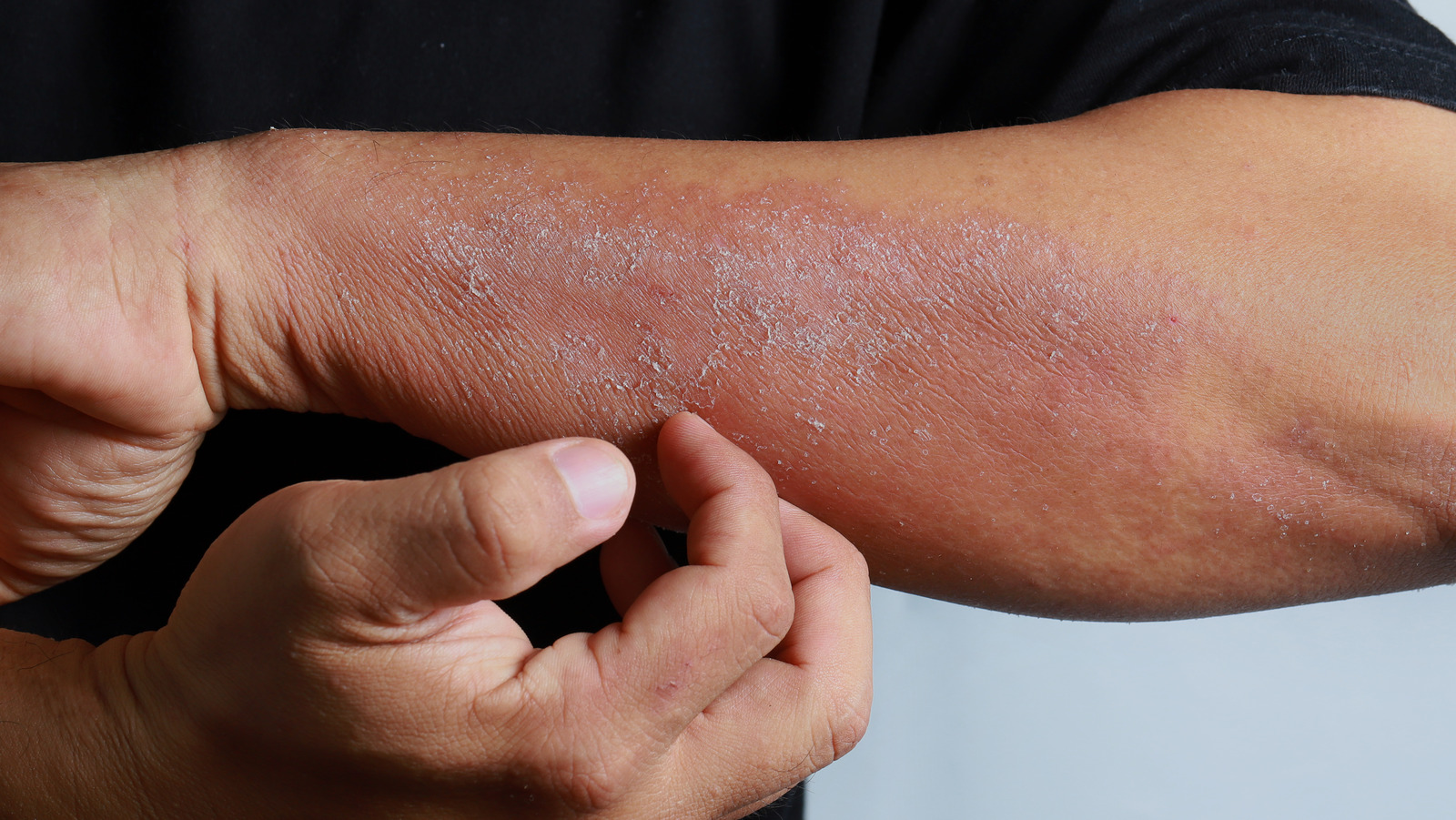
Skin fungus is a fungal infection that can occur in different parts of the skin. These infections usually develop in moist, warm and dark environments. Skin fungus usually manifests itself with itching, redness, blisters, flaking and sometimes cracks. Common types of skin fungus include yeast infections, yeast infections, and skin rashes.
Common Types of Skin Fungus
Skin fungus can be of many different types. Here are some common types of skin fungus:
1. Athlete's Foot: Athlete's foot is a type of skin fungus that usually occurs between the toes or on the sole of the foot. It can cause symptoms such as itching, redness, blisters and flaking.
2. Tinea Cruris: Tinea cruris is a fungal infection that occurs in the groin area. This type of fungal infection can present as itchy, red, blisters, and skin rash.
3. Tinea Corporis: Tinea corporis is a fungal infection that can be seen in different parts of the skin. This infection may present with itching, redness, blisters, and a ring-shaped rash.
Causes and Risk Factors of Skin Fungus
Skin fungus has many different causes and risk factors. Here are some common ones:
• Humid and warm environments: Fungal infections develop more easily in humid and warm environments. Such environments provide a suitable environment for fungi to grow due to sweating and keeping the skin moist.
• Weak immune system: A weak immune system can make you more susceptible to fungal infections. Conditions that weaken the immune system include diabetes, HIV/AIDS, and cancer treatment.
• Lack of personal hygiene: Poor personal hygiene can increase your risk of contracting skin fungus. Unclean clothing, towels, or other personal items can spread fungi to your skin.
Skin Fungus Symptoms
Skin fungus symptoms can vary depending on the type of infection and which area of the skin it affects. However, common symptoms may include:
4. Itching: Skin fungus often causes itching. Itching can often be bothersome and cause you to constantly scratch the skin.
5. Redness: The skin may become red in areas with fungal infection. The redness may vary depending on which area of the skin the infection affects.
6. Blisters: Skin fungus often causes blisters. These blisters may appear as fluid-filled blisters in the infected area.
Diagnosis of Skin Fungus
Diagnosis of skin fungus is usually made by a doctor. Doctors usually evaluate symptoms and sometimes may take a skin sample to confirm a fungal infection. The skin sample is used to determine the type of fungus by examining it under a microscope.
Skin Fungus Treatment at Home
Skin fungus can usually be treated at home. Here are some methods to treat skin fungus at home:
7. Keep clean and dry: Keeping the infected area clean and dry can help prevent the spread of the fungus. A moist environment provides a favorable environment for fungi to grow, so clean and dry the infected area regularly.
8. Antifungal creams: Antifungal creams can be effective in treating skin fungus. You can stop the growth of the fungus by applying these creams to the infected area regularly. Your doctor may recommend an antifungal cream.
9. Disinfect clothing: Fungal infections can spread through clothing and other personal items. You can kill the fungi by regularly washing the clothes you think are infected.
Over-the-Counter Medicines for Skin Fungus
Over-the-counter medications for skin fungus can be used to relieve symptoms and treat the infection. Here are some commonly used over-the-counter medications:
10. Antifungal creams: Over-the-counter antifungal creams can be effective in treating skin fungus. You can stop the growth of the fungus by applying these creams to the infected area regularly.
11. Antifungal shampoos: Antifungal shampoos can help clear areas of skin fungus. You can kill the fungus by washing the infected area regularly with shampoo.
12. Antifungal lotions: Antifungal lotions can be used to treat skin fungus. You can stop the growth of the fungus by applying the lotion to the infected area regularly.
Volume M
How to Treat Skin Fungus
Free Information,
Consultation and Appointment Request
 Call
Call
 Whatsapp