


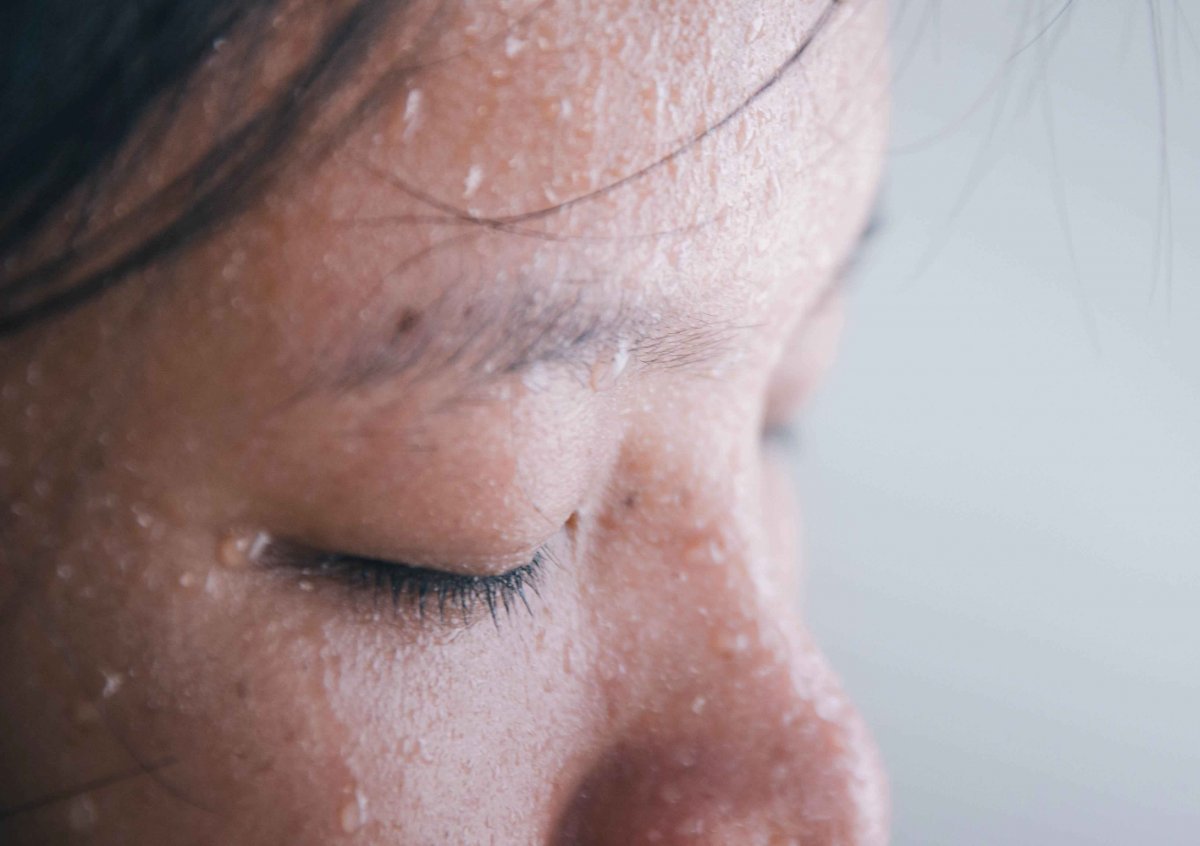

Hyperhidrosis is a condition characterized by sweating more than normal. Generally, people who experience excessive sweating in certain areas are diagnosed with hyperhidrosis. These areas are generally areas such as armpits, palms, feet and face. Hyperhidrosis can negatively affect a person's daily life and cause social distress.
Types of Hyperhidrosis
Hyperhidrosis can be divided into two different types: primary hyperhidrosis and secondary hyperhidrosis. Primary hyperhidrosis occurs without any underlying medical condition and is usually characterized by excessive sweating in certain areas. Secondary hyperhidrosis occurs as a symptom of another health problem. For example, thyroid problems or hormonal changes such as menopause can cause secondary hyperhidrosis.
Causes of Hyperhidrosis
Although the exact cause of hyperhidrosis is unknown, it is thought that some factors may contribute to hyperhidrosis. Genetic factors, hormonal changes, stress, anxiety and some medications can lead to hyperhidrosis. Additionally, some health problems can also be a cause of hyperhidrosis.
Symptoms of Hyperhidrosis
Symptoms of hyperhidrosis are associated with excessive sweating. A constantly moist feeling is experienced in areas where sweating is intense. Clothes can easily get wet and create a bad odor. Additionally, hyperhidrosis is often associated with stress or anxiety, which can negatively impact social interactions.
Diagnosing Hyperhidrosis
Diagnosis of hyperhidrosis is usually based on symptoms. The doctor will evaluate complaints and symptoms of excessive sweating and perform a physical examination. In some cases, sweat tests may also be performed to measure the activity of sweat glands. Additionally, if an underlying health problem is suspected, the doctor may order other tests.
Hyperhidrosis Treatment Options
Various options are available for treating hyperhidrosis. These options include medications, surgical procedures, and lifestyle changes.
Medicines
Some medications used to treat hyperhidrosis can help reduce the activity of sweat glands. These are usually applied topically and reduce excessive sweating.
Surgical Procedures
Surgical procedures are a preferred option in more severe cases of hyperhidrosis. These procedures may include surgical removal of sweat glands or cutting of nerves.
Lifestyle Changes
Making some lifestyle changes to deal with hyperhidrosis may also be effective. For example, avoiding hot foods and drinks that can increase sweating, exercising regularly, and practicing stress management techniques may be helpful.
Coping with Hyperhidrosis in Daily Life
Dealing with hyperhidrosis can create some challenges in daily life. However, it is possible to overcome this problem by taking some precautions. For example, it may be helpful to do breathing exercises, use hygienic products, and wear sweat-absorbent clothing to reduce sweating.
Hyperhidrosis Support Groups and Resources
Support groups and resources are available for coping with hyperhidrosis. These groups consist of people coming together to share experiences with hyperhidrosis and provide support. You can also use online resources to learn more about hyperhidrosis.
 Call
Call
 Whatsapp