


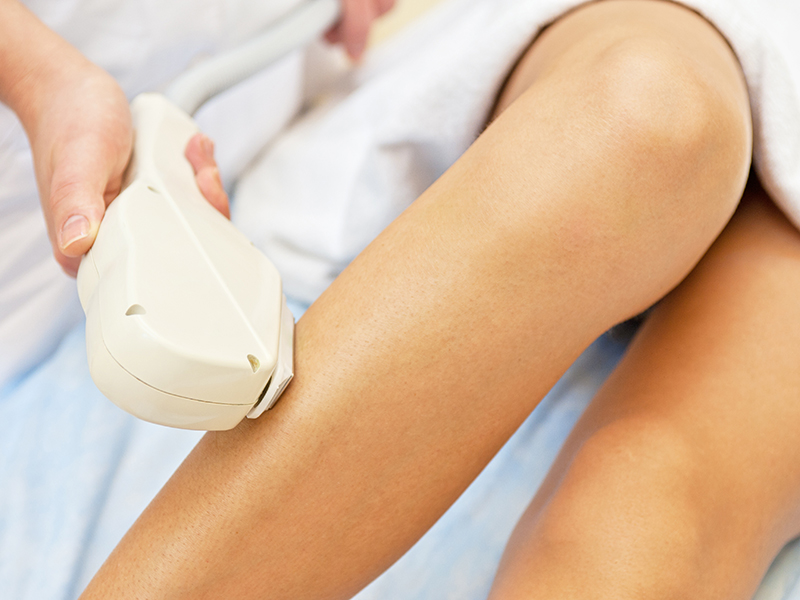

Ice laser hair removal has become an increasingly popular method in recent years. Ice laser session intervals are determined according to the characteristics of the skin and hair structure. Generally, several weeks are left between sessions, although this period may vary depending on personal factors.
Since every individual has a different skin type and hair structure, session intervals can also vary from person to person. For example, individuals with darker hair may require shorter intervals between sessions, while those with lighter hair may need longer intervals. For this reason, getting a personal evaluation from a specialist is always the best approach.
Ice laser technology typically causes less pain and discomfort compared to traditional laser hair removal methods. This may allow more flexible scheduling between sessions. However, following the intervals recommended by your specialist is important to achieve the most effective results.
About Full Body Ice Laser Applications
Ice laser can be effectively used on different parts of the body. Ice laser hair removal can be applied to large areas such as the face, legs, arms, and back. This method is also suitable for sensitive areas because it creates minimal discomfort on the skin.
Full body applications usually require several sessions, and a certain waiting period is necessary between sessions. One advantage of ice laser technology is that sessions are generally faster. This allows treatments on larger areas to be completed more efficiently.
Post-treatment skin care is also important. Pre- and post-laser hair removal care helps the skin recover and reduces the risk of unwanted side effects. Proper skin care routines during the intervals between sessions can help maintain healthy skin.
Differences Between Laser Hair Removal and Ice Laser
There are several important differences between traditional laser hair removal and ice laser technology. Traditional laser hair removal is generally based on older technologies, while ice laser represents a more modern and advanced method. Ice laser typically causes less pain and discomfort on the skin.
One of the biggest advantages of ice laser is its cooling technology, which helps prevent excessive heat buildup on the skin. This reduces pain during treatment and lowers the risk of skin irritation. In traditional laser methods, more heat may accumulate on the skin.
In addition, ice laser is known to be effective for a wider range of skin and hair types. This makes it a suitable option for individuals with different skin tones and hair colors. Both methods have their own advantages and limitations, so consulting with a specialist is important when choosing the most suitable option.
Laser Hair Removal Applications and Session Durations
Laser hair removal treatments usually require multiple sessions. Session duration depends on the size of the treated area and the density of the hair. Smaller areas require shorter sessions, while larger areas may take more time.
Each session typically lasts between 15 minutes and 1 hour. The exact duration depends on the type of laser used and the treatment area. For example, facial treatments are usually shorter, while larger areas such as the legs may require more time.
Session intervals are also important and typically range between 4 and 8 weeks. This period may be adjusted depending on how the skin and hair respond to the treatment. Specialists can help create a personalized session plan to achieve the best results.
Ice Laser Session Intervals: How Often Should They Be Scheduled?
Ice laser session intervals should be adjusted according to personal needs and the response to the treatment. Usually, shorter intervals are preferred during the first few sessions to enhance the effectiveness of the treatment. As the sessions progress, intervals may be extended depending on the skin and hair structure.
On average, it is recommended to wait 4 to 6 weeks between ice laser sessions. This interval allows the treatment to effectively target hair follicles during different growth phases. However, the exact timing may vary based on individual factors, so following your specialist’s recommendations is important.
Maintaining regular session intervals can improve the effectiveness of the treatment. In professional clinics such as Ankara Life Polyclinic, it is possible to determine the most suitable session intervals through a personal evaluation. Specialists can help you achieve the best results while prioritizing skin health.
Types of Lasers and Their Effects
Different types of lasers are used in laser hair removal treatments. Among them, Alexandrite, Nd:YAG, and Diode lasers are the most commonly used. Each offers specific advantages for different skin types and hair structures.
Alexandrite Laser:
Generally suitable for individuals with lighter skin tones and provides fast, effective results.
Nd:YAG Laser:
Often preferred for individuals with darker skin tones and can penetrate deeper into the skin.
Diode Laser:
Suitable for both light and dark skin tones and can be used safely across different skin types.
Each laser type has its own unique effects, which may vary depending on individual skin and hair characteristics. Choosing the correct laser technology is essential for achieving the best results, so seeking professional advice is always recommended.
Important Considerations for Ice Laser Treatments
There are several important points to consider during ice laser treatments. First, skin care before and after the procedure is extremely important. Using moisturizers before and after treatment may help prevent irritation.
During the treatment period, it is important to avoid direct sun exposure. Sunlight can increase skin sensitivity and lead to unwanted side effects. Using sunscreen is an essential step to protect skin health.
Finally, if you experience any skin reactions or unexpected situations, you should consult a specialist immediately. Specialists can guide you and provide the most appropriate solutions whenever you have concerns or questions.
 Call
Call
 Whatsapp