


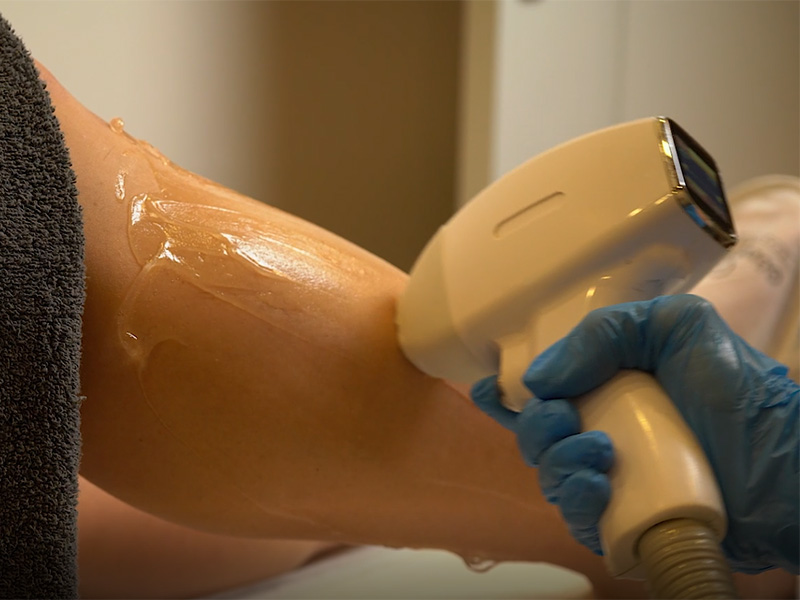

Ice-tip laser hair removal has gained popularity in recent years as laser technologies have advanced. These systems are designed to cool the skin during treatment while targeting unwanted hair follicles. The cooling feature may enhance comfort, particularly for individuals with sensitive skin.
Ice-tip devices use a specialized applicator that cools the skin surface before and during laser pulses. This mechanism may help reduce discomfort and minimize temporary redness or irritation. Because of these features, ice-tip laser systems are widely preferred in aesthetic applications.
Another advantage of this method is its adaptability to different skin tones and hair thicknesses. It may be suitable for both lighter and darker skin types, depending on the device settings and professional evaluation.
Advantages of Ice-Tip Laser Hair Removal Brands
Ice-tip laser brands often incorporate advanced technology designed to enhance user comfort. Modern systems may feature intuitive interfaces and adjustable settings tailored to different treatment needs.
Another potential advantage is shorter treatment duration due to optimized energy delivery. This may allow individuals to resume daily activities more quickly.
Many brands also provide aftercare recommendations and supportive skincare guidance to help maintain skin comfort following treatment. Devices with adjustable parameters may allow personalized treatment planning for various skin and hair types.
Laser Hair Removal Applications and Effects
Laser hair removal targets hair follicles using concentrated light energy. When follicles absorb this energy, hair regrowth may gradually slow down over time.
Treatment outcomes vary depending on skin tone, hair color, and thickness. Darker hair typically absorbs laser energy more efficiently, which may influence response speed. However, appropriate device selection may also support treatment for lighter hair types.
With regular sessions, hair density and thickness may decrease progressively. It is important to note that laser hair removal is designed for hair reduction rather than skin rejuvenation.
Laser Types: Which One Is Most Suitable?
Different laser systems are used depending on individual characteristics:
Alexandrite Laser
Often selected for lighter skin tones and finer hair types. It operates at a shorter wavelength.
Diode Laser
Suitable for a broader range of skin tones and capable of penetrating deeper hair follicles.
Nd:YAG Laser
Commonly considered appropriate for darker skin tones due to its longer wavelength and deeper penetration.
Each laser type has specific benefits and limitations. Professional consultation is recommended to determine the most suitable option.
Session Duration and Intervals
Session duration depends on the size of the treatment area and hair density. Smaller areas such as the face may require 15–20 minutes, while larger areas such as the legs may take up to one hour.
Sessions are generally scheduled every 4–6 weeks to align with the natural hair growth cycle. Since each session targets hair in a specific growth phase, consistent scheduling is important.
Many individuals observe noticeable reduction after multiple sessions, though the total number required varies. Personalized treatment planning is essential.
Ankara Life Polyclinic: Services and Areas of Expertise
Ankara Life Polyclinic provides laser hair removal services using modern technology and individualized treatment planning. The clinic offers solutions tailored to different skin tones and hair types.
Various laser systems are available, and treatment plans are created according to individual assessment. In addition to laser hair removal, skincare and rejuvenation procedures may also be offered.
Professional consultation and personalized evaluation are key components of the treatment process.
Important Considerations Before and After Treatment
Before treatment:
-
Shave the treatment area approximately 24 hours prior to the session.
-
Avoid tanning and excessive sun exposure.
-
Refrain from using exfoliating or peeling products for at least two weeks before treatment.
After treatment:
-
Apply sunscreen to protect the treated area.
-
Avoid intense exercise, sauna, and hot showers for 24 hours.
-
Mild redness or sensitivity may occur temporarily and usually resolves within a short time.
Following professional aftercare guidance may support treatment comfort and overall outcomes.
 Call
Call
 Whatsapp