


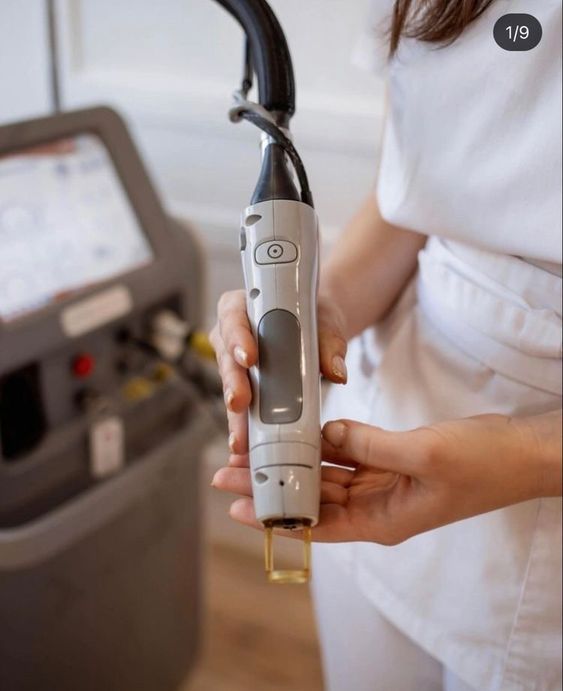

Laser epilation is an effective method used to prevent hair from coming back for a long time. In this method, high-energy light beams are used to reach the roots and the hair is safely destroyed. Laser epilation offers an ideal solution especially for those who want to get rid of unwanted body hair.
Laser epilation usually consists of a series of sessions. Each session provides the necessary energy to destroy the hair. The number of sessions may vary depending on the person's skin structure, hair density and other factors. With the right application, laser epilation allows you to achieve long-term and permanent results.
Risks of Laser Epilation
Although laser epilation is a safe method, it can also contain some risks. These risks include:
Skin Irritation: A slight redness and numbness may be experienced on the skin during or after the procedure. This is usually temporary and disappears within a few days.
Pigmentation Changes: In some people, skin color may lighten or darken due to the effect of laser light. This is usually temporary, but in rare cases it can be permanent.
Infection: Improper hygiene conditions or incorrect use may increase the risk of infection. Therefore, after-treatment care and cleaning are very important.
Burn: Applications performed at high energy levels or in sensitive areas may cause burns on the skin. This situation can be minimized by making the right adjustments by an experienced specialist.
In order to minimize these risks, it is important to have the procedure done by an experienced specialist and to follow the instructions given carefully.
How Long Does the Effect of Laser Epilation Last?
The effects of laser epilation may vary from person to person. However, in general, with the right application, a significant decrease begins to be seen after a few sessions. The complete removal process can vary between 6-12 months.
In the first sessions, 20-30% of the hairs are reduced, while this rate can increase to 80-90% in later sessions. Factors such as the person's skin type, hair density, and hormonal status can also affect the results.
Although laser epilation offers a permanent solution, in some cases the hairs may come back. Therefore, it is important to maintain the results with regular care and check-ups.
What to Do If Laser Epilation Is Left Unfinished?
In laser epilation, sometimes the expected results may not be achieved. There may be various reasons for this:
Incorrect Application: The procedure may have been performed by inexperienced people. In this case, the results may not be as expected.
Incompatible Skin Structure: The skin structure of some people may be more resistant to laser light. Therefore, the expected results may not be achieved.
Hormonal Changes: In cases such as pregnancy, menopause, hormonal disorders, hair regrowth may be faster.
Insufficient Number of Sessions: Not enough sessions may have been performed according to the person's needs.
If laser epilation is left unfinished, it is recommended that you follow the steps below:
Get Expert Support: In order to evaluate your situation and determine the right solution, be sure to consult an experienced specialist.
Plan Additional Sessions: Your specialist can plan additional sessions according to your needs. In this way, complete hair removal can be achieved.
Consider Alternative Methods: In some cases, laser epilation alone may not be sufficient. Your specialist may also recommend alternative methods such as electric epilation or waxing.
Care and Follow-up: After the procedure, closely monitor the condition of your skin. Do not skip the care and control program recommended by your specialist.
If laser epilation is left unfinished, it is important to be patient and determined. By following the right steps, you can achieve the results you want.
 Call
Call
 Whatsapp