


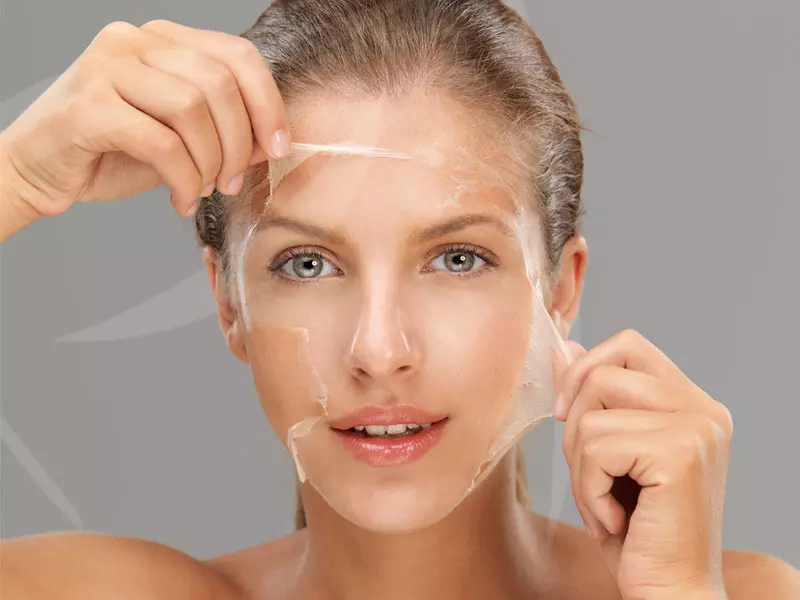

Peeling blemish treatment is a skin renewal method that helps remove dead skin cells, spots, and uneven skin tone on the skin surface. This treatment is applied to the skin surface through chemical solutions or mechanical methods and supports the exfoliation of the upper layer of the skin. As a result, a fresher, smoother, and more even skin appearance may be achieved.
This type of treatment is quite popular in the field of cosmetic dermatology. It is preferred to reduce the appearance of acne scars, sunspots, signs of aging, and other pigmentation problems on the skin. It also helps improve skin texture and supports a healthier and more refreshed appearance.
There are various peeling methods for different skin types and concerns. The correct type of peeling and application duration are determined according to the person’s skin structure and needs. Therefore, evaluations performed by dermatologists and specialist aestheticians are important.
Benefits of Peeling Blemish Treatment
One of the most noticeable benefits of peeling blemish treatment is that it triggers the skin’s natural renewal process and helps the skin gain a more vibrant appearance. Peeling blemish treatment exfoliates the upper layer of the skin and reveals healthier-looking skin cells underneath. In this way, color irregularities on the skin may decrease, and a smoother texture may be achieved.
The treatment supports collagen production in the skin and may help improve elasticity and firmness. It contributes to a more refreshed appearance by reducing the appearance of fine lines and wrinkles. It may also help minimize the appearance of enlarged pores and allow the skin to gain a more even structure.
Peeling treatment is important not only aesthetically but also in terms of skin health. Removing dead cells from the skin surface helps the skin breathe more easily and supports skin health. It may help prevent acne and other skin problems and contribute to overall skin wellness.
In How Many Sessions Can Peeling Blemish Treatment Make a Difference?
The question of in how many sessions peeling blemish treatment can make a difference is an important topic for many people considering this treatment. The results of this treatment may vary depending on the person’s skin type, spot density, and the type of peeling used. Generally, a visible improvement may be noticed after the first few sessions.
On average, peeling treatment may provide effective results in 3 to 6 sessions. However, in some cases, more sessions may be required. For example, a longer treatment process may be recommended for deeper and more persistent spots. This process should be planned by a specialist dermatologist or aesthetician, and a personalized treatment program should be created.
It may usually be necessary to wait 2 to 4 weeks between each treatment session. This period allows the skin to recover and new cells to form. Before starting treatment, skin analysis and a correct treatment plan are critically important for achieving effective results.
Types of Peeling Blemish Treatment
Peeling treatment is divided into various types for different skin concerns. Each includes different ingredients and application methods. Here are the most common types of peeling blemish treatment:
Chemical Peeling: This is a peeling type performed using chemical solutions such as alpha hydroxy acids (AHA), beta hydroxy acids (BHA), and trichloroacetic acid (TCA). It exfoliates the upper layer of the skin surface and helps achieve a smoother skin appearance.
Mechanical Peeling / Microdermabrasion: This is a procedure in which the skin surface is gently exfoliated using small fine crystals or diamond-tipped devices. It is generally preferred for more superficial skin concerns.
Laser Peeling: Skin surface renewal is supported using laser beams. It can be an effective method for deeper skin concerns and spots. Laser peeling may help tighten skin texture and support a more refreshed appearance.
Each type of peeling should be selected according to different skin concerns and needs. Consulting a specialist dermatologist is important to determine the correct treatment method.
How Does the Peeling Blemish Treatment Process Work?
The peeling blemish treatment process consists of several stages and is planned individually. In the first stage, a detailed analysis of the skin is performed, and the most suitable peeling type is determined. This analysis is carried out by considering skin type, spot density, and other skin concerns.
On the treatment day, the skin is cleansed, and the preparation stage begins. Depending on the selected peeling type, suitable chemical solutions or devices are used for the application. The procedure duration may vary depending on the method used, but it is generally completed between 30 minutes and 1 hour.
After the application, mild redness or sensitivity may occur on the skin. This condition is temporary and usually improves on its own within a few days. During the recovery process, moisturizing the skin and protecting it from the sun are important. Specialists provide detailed information about how the skincare routine should be.
Things to Consider After Peeling
Skincare after peeling blemish treatment is very important for maintaining the results obtained. After the procedure, the skin may be more sensitive and vulnerable. Therefore, certain points should be considered during the recovery process.
Sun Protection: The skin becomes more sensitive after peeling and may be more vulnerable to sunlight. Using a sunscreen containing at least SPF 30 is critically important to protect the skin.
Moisturizing: Regular use of moisturizer is recommended to prevent dryness and support the recovery process. Light products that do not irritate the skin should be preferred.
Skin Cleansing: It is important to cleanse the face gently and avoid harsh peeling products. Because of skin sensitivity, gentle and pH-balanced cleansers should be used.
Skincare after peeling is important for both the success of the treatment and skin health. Therefore, it is necessary to follow specialist recommendations and maintain the skincare routine regularly.
Frequently Asked Questions About Peeling Blemish Treatment
There are many questions wondered about peeling blemish treatment. Here are the most frequently asked questions and answers:
Does peeling treatment hurt?
A mild burning or tingling sensation may be felt during peeling application, but it is generally a tolerable procedure.
In which seasons should peeling be done?
Peeling is generally more suitable during autumn and winter months. Since sunlight is less intense during these periods, the skin can be protected more easily.
Can makeup be applied after peeling?
The skin should be rested during the first few days. However, light makeup products that do not irritate the skin may be used when appropriate.
Peeling blemish treatment is an effective method for reducing the appearance of skin concerns. For more information about this treatment and a personalized evaluation, it is important to consult a specialist dermatologist.
 Call
Call
 Whatsapp