


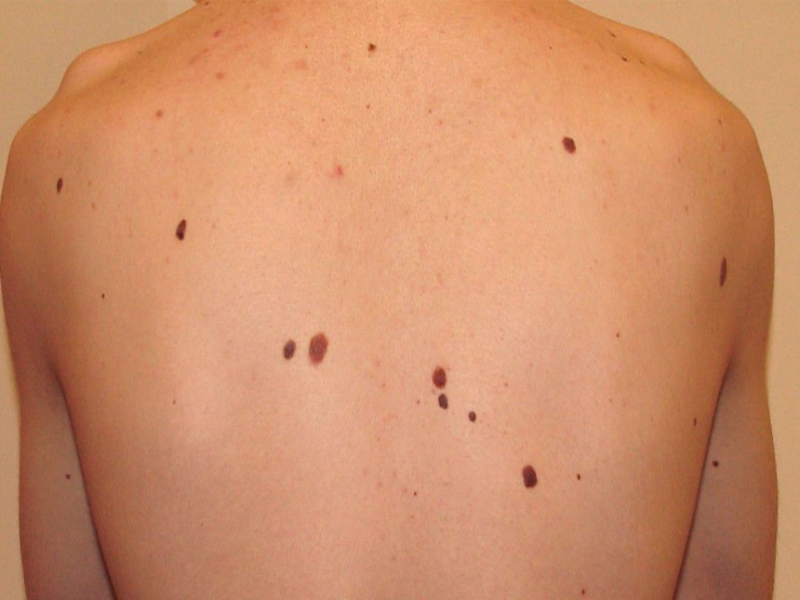

Laser mole removal is the procedure of removing unwanted moles on the skin surface from the skin using laser technology. This method offers effective results without requiring a surgical intervention on the skin, especially when it comes to moles. Laser beams target the pigments in the skin and ensure that the moles are eliminated. During the procedure, other areas of the skin are not damaged, which makes laser mole removal a very safe option.
Moles may occur due to various reasons such as genetic factors, sun exposure, or hormonal changes. Some moles may be aesthetically disturbing or may be of a type that needs to be monitored in terms of health. Laser mole removal offers an effective solution for such situations. On the other hand, thanks to laser technology, it is considered a minimally invasive method and is generally painless.
The number of people who prefer laser mole removal is increasing due to the comfort and safety offered by this method. Compared to traditional surgical methods, procedures performed with laser stand out with shorter recovery times and lower risk of complications. In this article, you can find information about the advantages, process, and other details of laser mole removal.
Advantages of Laser Mole Removal
Laser mole removal has a number of advantages, and these advantages increase the popularity of the method. First, during laser mole removal, a minimally invasive intervention takes place on the skin. This ensures that moles are effectively eliminated without damaging the skin surface. This method generally does not require anesthesia, and patients usually only feel a slight sensation of heat during the procedure.
Another important advantage is that the recovery time is quite short. Although mild redness and swelling may be seen on the skin after laser mole removal, these effects usually disappear within a few days. The risk of scarring on the skin after the procedure is also quite low. This is one of the main reasons why people who are aesthetically sensitive prefer laser mole removal.
In addition, the laser mole removal procedure is performed quickly, and most of the time only one session may be sufficient. However, in some cases, depending on the size of the mole and skin type, several sessions may be required. This process is specially planned according to the person’s needs, and the treatment duration is determined individually.
In How Many Sessions Does Laser Mole Removal Show Its Effect?
The question of in how many sessions laser mole removal shows its effect is an important issue in the minds of many people considering this method. Generally, laser mole removal may offer visible results in a single session. However, depending on the structure, size, and darkness of the mole’s color, the number of sessions may vary. In some cases, more than one session may be required to achieve better results.
Generally, while a single session may be sufficient for small and superficial moles, several sessions may be required for larger or deeper moles. It is usually recommended to wait four to six weeks between two sessions. During this period, the skin renews itself and the treated area heals. Thus, the skin becomes ready for the next session.
Each individual’s skin structure is different, and this may affect the treatment process. Sometimes, instead of completely eliminating the moles, the aim may be to lighten their appearance. In every case, the most accurate approach will be to consult a specialist dermatologist and create a personalized treatment plan. It should not be forgotten that the permanence of laser mole removal results is directly related to the importance given to skin care.
How Does the Laser Mole Removal Process Work?
The laser mole removal process is carefully planned and applied by a specialist dermatologist or laser therapist. The first step is a detailed examination of the skin and moles. This examination ensures that the most suitable treatment method is determined according to the structure, size, and location of the moles. Before the application, the area to be treated is cleaned, and if necessary, the skin is numbed using local anesthetic creams.
During the treatment, the laser device is directed onto the mole, and the laser beams target the pigments in the skin. The energy emitted by the laser causes fragmentation in the cells of the mole, and thus the appearance of the mole decreases or disappears completely. During the procedure, patients usually experience a slight stinging or warming sensation, but this is generally at a tolerable level.
After the treatment, mild redness or crusting may be seen on the skin. This is a natural healing process and usually disappears within a few days. After the procedure, it is important to protect from the sun and pay attention to skin care. The skin may be sensitive while healing, and proper care ensures that the treatment results are more permanent and effective. Carefully following your specialist physician’s recommendations throughout the process will help you achieve the best results.
Care and Recovery Process After Laser Mole Removal
Paying attention to skin care after laser mole removal directly affects the success of the treatment. Immediately after the procedure, mild redness and swelling may be observed on the skin. These effects usually pass on their own within a few days. However, while the skin is healing, it is possible to speed up this process with proper care practices.
First, it is important to keep the treated area clean and dry. Contact with water should be avoided for the first 24 hours after the procedure. In addition, it is recommended to stay away from cosmetic products that may irritate the skin. Due to skin sensitivity, protection from the sun is also of vital importance. Sun exposure may cause the treated area to be damaged further and the recovery time to be prolonged.
Using moisturizer in the post-treatment period helps the skin maintain its elasticity and heal faster. Using skincare products recommended by your specialist supports the healing process. In addition, in cases such as crusting or peeling, it is necessary to treat the skin gently and avoid forcibly removing the crusts. All these steps allow you to achieve the best results after laser mole removal.
Who Are Suitable Candidates for Laser Mole Removal?
Laser mole removal may not be suitable for every skin type. Therefore, people considering this treatment are advised to first consult a specialist dermatologist. In general, laser treatment is preferred in cases where moles on the skin cause aesthetic concerns or carry a health risk. However, laser treatment may not be suitable for some skin types and mole types.
Especially fair-skinned people may achieve better results from laser procedures. Because laser beams target dark pigments in the skin, and since these pigments are more prominent in fair skin, the treatment may be more effective. However, when planning laser treatment, the person’s skin type, the structure of the mole, and the person’s general health condition are taken into consideration.
Laser mole removal is not recommended for pregnant women, breastfeeding mothers, or people with active skin infections. In addition, laser treatment may not be a suitable option for people who carry a risk of skin cancer or who have malignant changes observed on their skin. In this case, surgical intervention or other dermatological methods may be evaluated. In every case, the most accurate treatment method should be determined by considering your personal health history and skin structure.
Frequently Asked Questions About Laser Mole Removal
Many people ask various questions about laser mole removal. At the top of these questions are how long the procedure will take and how permanent the results will be. Generally, one session lasts between 15 and 30 minutes depending on the size of the mole and skin type. However, this duration may vary depending on the size of the treated area. The results are generally permanent, but in some cases, there is a possibility that the moles may reappear.
Another frequently asked question is whether pain is felt during or after the procedure. Most people feel a slight stinging during laser mole removal, but this is usually at a tolerable level. After the procedure, mild sensitivity and redness may occur, but these effects are generally short-term and mild.
Finally, concerns are expressed about the safety of laser mole removal. Laser mole removal is a safe method when performed by specialists. However, when it is applied under unsuitable conditions or by people who do not have sufficient equipment, the risk of complications may increase. Therefore, it is important to carefully choose the specialist who will perform the procedure and to have the procedure done in a certified clinic.
 Call
Call
 Whatsapp