


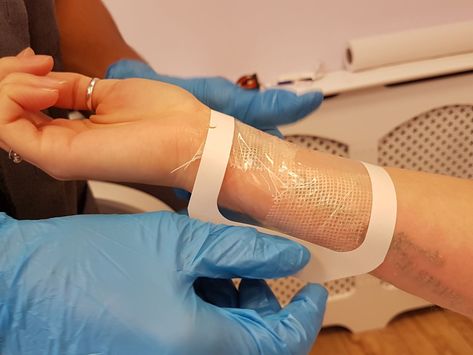

Infection After Tattoo Removal: Why Does It Happen and How Can It Be Prevented?
Tattoo removal is now performed quite safely thanks to developing laser technologies. However, as with any medical or aesthetic intervention, there are some points that need to be taken into consideration for the skin to heal properly after the procedure. Although the risk of infection after tattoo removal is low, undesirable reactions may develop on the skin if improper care or hygiene rules are not followed.
What Causes Infection After Tattoo Removal?
During the laser tattoo removal process, high-intensity light energy penetrates the skin and breaks down the tattoo ink. This process can create microscopic damage to the skin and initiate the body's natural healing process. However, if the skin is not properly protected, bacteria can enter the open skin surface and cause infection.
The main reasons that increase the risk of infection are:
✔ Inadequate hygiene: Contact of the area with dirty hands or exposure to unhygienic environments after the procedure.
✔ Improper care: Leaving the skin dry after laser or not using appropriate moisturizers.
✔ Picking off scabs: Scabs may form as the skin heals. Picking off scabs can open the skin, increasing the risk of infection.
✔ Excessive sun exposure: Sun exposure after the procedure can cause skin irritation and increase the risk of infection.
✔ Swimming in a pool or sea: Exposing sensitive skin after laser treatment to chlorine in the pool or bacteria in the sea can lead to infection.
✔ Weak immune system: People with diabetes, chronic diseases or weak immune systems are at higher risk of infection.
Symptoms of Infection After Tattoo Removal
Mild redness, swelling and tenderness are normal after tattoo removal. However, if these symptoms persist for a long time or become severe, they may be signs of infection.
???? Severe redness and inflammation: While normal redness subsides within a few days, redness may gradually increase in the event of an infection.
???? Excessive swelling and tenderness: Mild swelling is normal after the procedure, but if the swelling gradually increases, it may be a sign of infection.
???? Yellow or green discharge (pus formation): A foul-smelling or yellowish purulent discharge may be seen in the infected area.
???? Intense pain: Mild pain is normal, but in the case of infection, the pain may constantly increase.
Fever and chills: When the infection reaches serious levels, the body may respond by raising the immune system by raising the fever.
Burning sensation and increased heat: The infected area may feel warmer than the surrounding area.
If several of these symptoms are present, a doctor should be consulted as soon as possible.
How to Prevent Infection After Tattoo Removal?
Proper care is very important for the healthy healing of the skin after tattoo removal. Here are the things to consider to minimize the risk of infection:
✔ Keep your hands clean: Be sure to wash your hands before touching the area after the procedure.
✔ Avoid contact with water for the first 24 hours: Since the skin is sensitive after the procedure, the area should not be wet.
✔ Protect from the sun: Do not expose the area to direct sunlight after the procedure and use SPF 50 sunscreen.
✔ Do not pick the crusts: The skin should heal on its own, picking the crusts increases the risk of infection.
✔ Stay away from the pool and the sea: Avoid pools, sea, saunas and steam baths for at least 1-2 weeks.
✔ Use sterile moisturizers: Soothing creams containing aloe vera and panthenol help the skin heal faster.
✔ Avoid tight clothing: Clothes that rub against the area after the procedure can irritate the skin and lead to infection.
✔ Use creams recommended by the doctor: Antibacterial creams or ointments can reduce the risk of infection.
What to Do If an Infection Occurs After Tattoo Removal?
If signs of infection begin, rapid intervention is very important. Here is what to do in case of infection:
✔ Clean the area: Gently clean with mild soapy water and dry with a sterile towel.
✔ Apply antibiotic cream: Regularly apply antibacterial ointments recommended by the doctor.
✔ Do not cover the area: Allow the skin to breathe, but make sure it is in a hygienic environment.
✔ Apply a cold compress to reduce pain: However, be careful not to irritate the area too much.
✔ Consult a doctor if there is a fever or signs of serious infection: If necessary, the doctor may recommend oral antibiotics or advanced treatment.
Conclusion: The Risk of Infection Can Be Prevented with Proper Care!
Although the risk of infection after tattoo removal is very low, this risk can increase if proper care is not applied. Following hygiene rules, keeping the skin moist and clean, and acting according to the doctor's recommendations are enough to prevent infection. If signs of infection are noticed, serious problems can be prevented with early intervention.
If you are considering having your tattoo removed, it is best to work with experienced specialists in a professional clinic and follow the post-procedure care instructions.
 Call
Call
 Whatsapp