


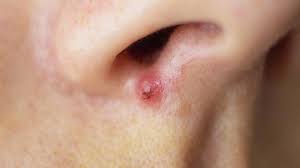

What is Inflamed Acne on the Body?
Inflamed acne on the body is usually a deeper and more painful type of acne. These occur as a result of the pores under the skin becoming clogged and bacteria multiplying. This type of acne is usually red, swollen and inflamed. It is often seen in areas such as the back, shoulders, chest and butt and can form as hard nodules or cysts on the skin.
Causes of Inflamed Acne on the Body
There may be more than one reason for the appearance of inflamed acne on the body. Genetic factors, excessive oil production, hormonal changes and environmental factors can trigger this condition. In addition, tight clothing, sweating, improper diet and stress can also lead to the formation of inflamed acne. Failure to cleanse the skin regularly can also cause pores to become clogged and infections to spread.
Proper Skin Care for Inflamed Acne
Proper skin care is important in the treatment of inflamed acne. Gentle cleansing of the skin prevents the accumulation of excess oil and dirt. Skin care products containing high oil content should be avoided. In addition, products containing salicylic acid or benzoyl peroxide used in acne treatment can help cleanse pores. However, excessive use of such products should be avoided and moisturizers that will maintain the moisture balance of the skin should be preferred.
Natural Methods for Treating Inflamed Acne
Some natural treatment methods that you can use at home can help relieve inflamed acne. The soothing effect of aloe vera gel on the skin can reduce inflammation. In addition, natural antibacterial products such as tea tree oil can kill acne-causing bacteria and prevent infections. Natural methods can be more effective when supported by chemical-containing products.
The Effect of Stress on Inflamed Acne
Stress is one of the main triggers of inflamed acne. Under stress, the body secretes excessive amounts of hormones, and these hormones can increase oil production in the skin, causing pores to become clogged. Regular exercise, practicing relaxing techniques such as meditation, and getting enough sleep can help prevent inflamed acne.
Dermatological Treatment for Inflamed Acne
Sometimes, home treatment methods may not be sufficient, in which case it is important to consult a dermatologist. Dermatologists can offer more effective treatment options. Methods such as antibiotic treatment, chemical peeling or laser treatment can offer solutions for more severe inflamed acne. A dermatologist can speed up the healing process by recommending treatment methods suitable for your skin type.
Nutritional Recommendations for Inflamed Acne
Nutrition is an important factor affecting the formation of inflamed acne. Excessive sugary and fatty foods should be avoided, and a diet containing antioxidant-rich vegetables, fruits and healthy oils should be preferred instead. In addition, drinking plenty of water helps the body cleanse itself of toxins and makes the skin look healthier.
Protecting from the Sun
Excessive exposure to the sun can cause the scars of inflamed acne to darken. Therefore, you should definitely use a high protection factor sunscreen before going outside. Sun rays can make acne scars on the skin permanent, so protection is very important for your skin health.
 Call
Call
 Whatsapp