


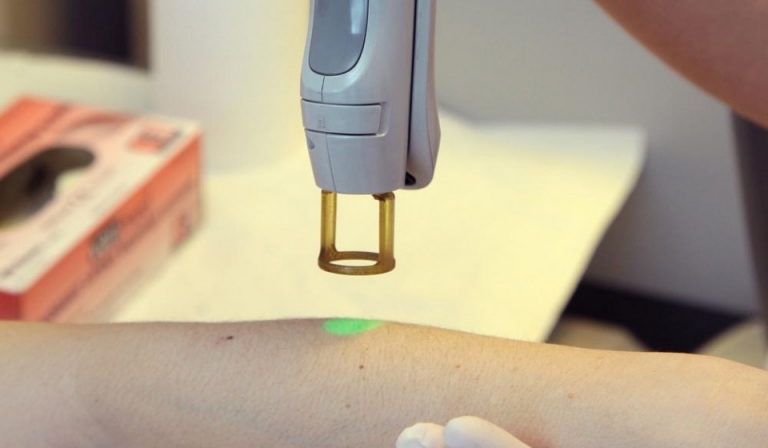

Inflammation After Laser Epilation
Laser epilation is a frequently preferred, effective and safe method for permanently getting rid of unwanted hair. However, as with every medical or cosmetic procedure, some side effects can be seen, albeit rarely. One of these side effects is inflammation of the skin. So why does inflammation occur after laser epilation, how serious is it and how does it go away?
Does Inflammation Occur After Laser Epilation?
Laser epilation directly affects the hair follicles with thermal energy. After this procedure, slight redness, swelling or a feeling of warmth on the skin are normal and usually go away on their own within a few hours. However, in some cases:
Infection in the hair follicles
Skin irritation
Failure to keep the area hygienic after the application
Inflammation may develop for reasons such as this. This condition is usually limited, but if not treated correctly, it can spread or cause discomfort.
What are the Symptoms of Inflammation After Laser?
Increased redness and persistent
Swelling or painful hair follicle structures (such as ingrown hairs)
Wet, yellow discharge or crusting
Local heat increase and sensitivity
Rarely, a feeling of fever or general weakness
If these symptoms are present, an infection may have developed on the skin surface. In this case, it is necessary to consult a specialist instead of home intervention.
What Causes Inflammation?
Inflammation after laser epilation usually occurs for the following reasons:
Not keeping the skin clean after the procedure
Re-stimulation of the hair follicle with waxing, tweezing, etc. immediately after the laser
Irritation of the area due to sweating, tight clothing or friction
Applications made with a device or dose that is not suitable for the skin
The skin structure is already sensitive or prone to acne
What to Do If Inflammation Occurs?
First, avoid touching the area with your hands.
Do not use products containing alcohol or perfume.
Clean only with warm water and a mild cleanser.
Sterile moisturizers or antibiotic creams can be used with a doctor's recommendation.
In severe cases, a dermatologist should be consulted, and oral antibiotic treatment can be started if necessary.
Never use acne creams, peeling products or acidic solutions on your own. These can worsen the situation.
What to Do to Prevent Inflammation After Laser Epilation?
Keep the area clean and dry for the first 24-48 hours after the procedure.
Avoid activities that make you sweat (sports, sauna, hot bath).
Do not neglect sun protection.
Do not use products that tighten or irritate the skin.
Be careful not to touch the area or play with your nails.
If you have frequently experienced hair follicle inflammation after laser treatment in the past, be sure to share this with the specialist before the procedure. Preventive creams can be used if necessary.
In Conclusion
Mild skin reactions after laser epilation are normal, but if inflammation develops, this should be taken seriously. It is usually easily controlled with simple treatments, but if neglected, it can lead to scarring or bigger problems.
In order to protect your skin health, it is very important that the procedure is carried out under the supervision of a specialist and that proper care is applied afterwards.
 Call
Call
 Whatsapp