


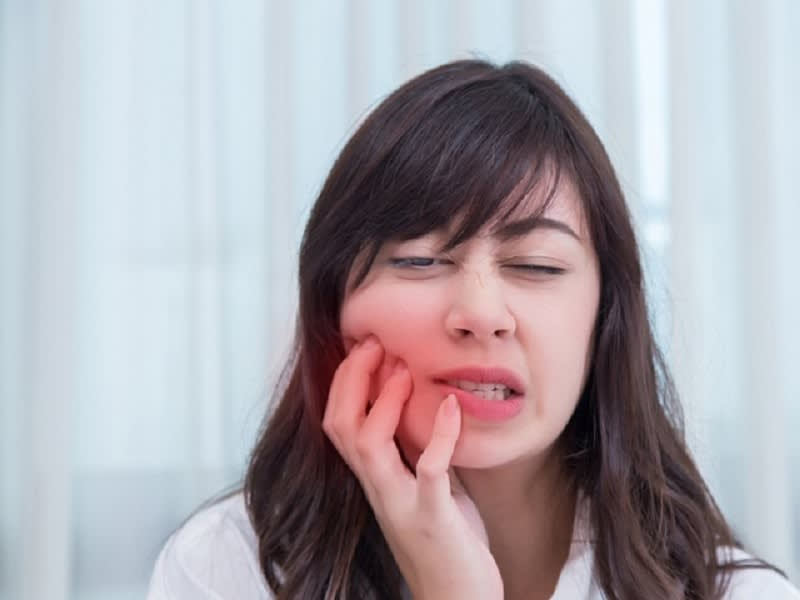

Teeth clenching and grinding, medically referred to as bruxism, may occur while a person is awake or asleep. Awake clenching may become more noticeable during stress, concentration or emotional tension, while sleep bruxism is associated with different sleep-related and neurological mechanisms.
Bruxism may contribute to tooth wear, fractures, sensitivity, jaw-muscle fatigue and discomfort around the temporomandibular joints. Some individuals also experience morning jaw stiffness, facial pain or headaches.
However, jaw pain and headaches are not always caused by bruxism. Dental problems, temporomandibular joint disorders, sleep conditions and other medical factors may produce similar symptoms. A detailed dental and medical evaluation is therefore important.
The causes of bruxism are often multifactorial. Stress and anxiety may contribute, particularly to awake clenching, but they are not the only possible causes. Sleep disorders, certain medications, neurological factors, alcohol or stimulant use and individual behavioural patterns may also play a role.
Dental alignment alone should not automatically be considered the cause of bruxism. Identifying the main contributing factors helps determine the most appropriate treatment approach.
Why May Treatment Be Necessary?
Treatment may be considered when clenching or grinding causes symptoms, damages the teeth or interferes with daily comfort.
Possible consequences of untreated or persistent bruxism include:
-
Tooth wear
-
Cracked or fractured teeth
-
Dental sensitivity
-
Jaw-muscle fatigue
-
Facial pain
-
Temporomandibular joint symptoms
-
Disturbed sleep
-
Difficulty chewing during painful periods
Not every individual with bruxism develops permanent joint damage or jaw locking. The severity and progression vary considerably.
Treatment is generally planned to protect the teeth, reduce symptoms and identify contributing factors. It cannot always eliminate bruxism completely.
Some individuals also seek treatment because enlarged masseter muscles create a wider lower-face appearance. In such cases, functional and aesthetic goals should be evaluated separately.
Are Facial Expressions Affected After Treatment?
Whether facial expressions change depends on the treatment method.
Dental night guards, behavioural strategies and physiotherapy do not usually alter facial expressions directly.
When botulinum toxin is injected into the masseter muscles, the aim is to reduce excessive contraction without affecting the muscles responsible for normal facial expression.
The masseter muscles are primarily involved in chewing and jaw closure. Most eyebrow, forehead, eye and mouth expressions are controlled by different facial muscles.
For this reason, natural facial expressions are generally preserved when the treatment is planned accurately and the injections remain within the intended muscle.
However, no injection procedure is completely free from risk. If the dose is excessive or the product affects nearby muscles, temporary changes may occur.
Possible effects include:
-
Facial asymmetry
-
Changes in smile dynamics
-
Chewing fatigue
-
Reduced biting strength
-
Weakness in nearby muscles
-
Uneven reduction in muscle volume
These risks make individualised dose planning and detailed knowledge of facial anatomy particularly important.
Why Is Individualised Planning Important?
Masseter strength, thickness and symmetry vary from person to person. Applying the same dose and injection pattern to everyone may produce an inadequate or unbalanced result.
Before treatment, the practitioner should assess:
-
Muscle size on each side
-
Contraction strength
-
Existing facial asymmetry
-
Jaw width and bone structure
-
Chewing function
-
Bruxism symptoms
-
Previous botulinum toxin procedures
-
Dental and jaw-joint conditions
-
Treatment expectations
A wide lower face is not always caused by enlarged masseter muscles. Bone structure, soft-tissue distribution and salivary glands may also influence facial shape.
When the width is mainly related to bone structure, botulinum toxin may produce limited aesthetic change.
The goal should be to reduce excessive muscle activity while preserving comfortable chewing and natural facial movement.
The Relationship Between Bruxism Treatment and Natural Appearance
Reducing excessive masseter activity may gradually soften an overly prominent jawline in suitable individuals.
This change usually develops over time as muscle volume decreases. It does not occur immediately after the injection.
Some individuals may feel that their face looks more relaxed after treatment, particularly when chronic muscle tension is reduced. However, a more natural or attractive appearance cannot be guaranteed.
The result depends on:
-
Baseline facial structure
-
Degree of masseter enlargement
-
Dose and injection placement
-
Existing asymmetry
-
Individual muscle response
-
Treatment goals
Excessive weakening of the masseter muscle may produce an appearance that the individual considers too narrow or unbalanced. Conservative planning is therefore important.
Treatment Options for Teeth Clenching
Treatment should be selected according to symptoms, dental findings and contributing factors.
Dental Night Guards
A night guard may protect the teeth from direct contact and reduce damage caused by grinding.
It does not necessarily stop the clenching or grinding behaviour itself. Its main role is generally to protect the teeth and distribute pressure.
The appliance should be fitted and monitored by a dentist because an unsuitable device may cause discomfort or changes in the bite.
Behavioural Awareness
Awake clenching may improve when individuals become more aware of jaw posture.
During rest, the lips may be gently closed while the upper and lower teeth remain slightly separated. The tongue can rest comfortably against the palate.
Reminders, relaxation techniques and management of personal stress triggers may help selected individuals.
Physiotherapy
Physiotherapy may include jaw exercises, posture assessment, muscle-relaxation techniques and treatment of neck or facial-muscle tension.
Exercises should be selected according to the individual’s symptoms. Forceful or unsuitable exercises may worsen pain.
Sleep and Medical Assessment
Individuals with significant sleep bruxism, loud snoring, breathing interruptions or excessive daytime sleepiness may require sleep assessment.
Current medication and stimulant use should also be reviewed when bruxism begins suddenly or worsens unexpectedly.
Botulinum Toxin Treatment
Botulinum toxin may be considered for selected individuals with significant masseter overactivity or muscle-related discomfort.
It temporarily reduces the strength of contraction but does not necessarily address the underlying cause of bruxism.
Treatment may be used alongside dental protection, behavioural strategies or other methods.
Natural Appearance After Masseter Botulinum Toxin
Natural appearance can often be maintained when treatment is performed conservatively and according to individual anatomy.
Several principles support a balanced result:
-
Assessing both sides separately
-
Avoiding a standard dose for every person
-
Preserving sufficient chewing strength
-
Keeping injections within the masseter boundaries
-
Considering existing asymmetry
-
Using follow-up assessment before repeating treatment
-
Avoiding unnecessary treatment of nearby muscles
The objective should not be to completely disable the masseter muscles.
An appropriate treatment plan reduces excessive activity while preserving normal chewing and facial expression.
Recovery After Treatment
The recovery process depends on which treatment has been performed.
After a dental appliance is provided, an adaptation period may be required. Jaw discomfort or bite changes should be reported to the dentist.
After physiotherapy, mild temporary muscle soreness may occur depending on the exercises performed.
After botulinum toxin injections, possible temporary reactions include:
-
Tenderness
-
Mild swelling
-
Bruising
-
A feeling of heaviness
-
Headache
-
Chewing fatigue
Many individuals can continue routine daily activities, but the practitioner may recommend temporarily avoiding rubbing the injection area, strenuous exercise or intense heat exposure.
The effect of botulinum toxin develops gradually over several days. Changes in muscle volume and facial contour generally take longer to become noticeable.
Nutrition During Recovery
A special diet is not required after every bruxism treatment.
When the jaw muscles are painful or temporarily fatigued, softer foods may be more comfortable for a limited period. Very hard foods, chewing gum and prolonged chewing may increase discomfort.
Adequate hydration and balanced nutrition support general health but do not directly accelerate the effect of botulinum toxin or eliminate bruxism.
Persistent difficulty chewing should be assessed rather than managed only through dietary changes.
Supporting a Natural Result
Follow the Treatment Plan
Recommended follow-up appointments help evaluate muscle balance, symptoms and chewing function.
Additional injections should not be performed before the initial response has been assessed adequately.
Manage Personal Triggers
Stress-reduction methods may help individuals whose awake clenching increases during emotional tension.
Meditation, breathing exercises or yoga may be useful for general stress management, but they do not treat every cause of bruxism.
Avoid Unnecessary Aesthetic Procedures
Additional aesthetic procedures are not routinely required to preserve natural facial expressions after bruxism treatment.
Ankara Laser or other aesthetic applications should only be considered when there is a separate and clearly defined concern. They should not be presented as a standard part of treatment for teeth clenching.
Monitor Facial Symmetry
Existing asymmetry should be documented before treatment. Standardised photographs may help distinguish pre-existing differences from treatment-related changes.
Choosing the Appropriate Specialist
Bruxism should generally be assessed initially by a dentist with knowledge of tooth wear, occlusion and temporomandibular disorders.
Depending on the symptoms, evaluation may also involve:
-
An oral and maxillofacial surgeon
-
A neurologist
-
A sleep-medicine specialist
-
A physiotherapist
-
A qualified physician experienced in botulinum toxin treatment
Botulinum toxin injections should be performed only by a legally authorised medical professional with detailed knowledge of facial anatomy.
The consultation should include discussion of:
-
The aim of treatment
-
Alternative methods
-
Expected degree of improvement
-
Possible effects on chewing
-
Facial asymmetry
-
Temporary nature of the result
-
Potential side effects
-
Follow-up requirements
When Should Medical Advice Be Sought?
The practitioner should be contacted if treatment is followed by:
-
Significant facial asymmetry
-
Marked change in the smile
-
Persistent chewing difficulty
-
Increasing pain or swelling
-
Difficulty swallowing
-
Breathing problems
-
Widespread muscle weakness
-
Severe allergic symptoms
Breathing or swallowing difficulties require urgent medical attention.
In conclusion, natural facial expressions can generally be preserved after treatment for teeth clenching, particularly when the treatment targets the masseter muscles accurately and uses an individualised dose. However, the outcome depends on the method, facial anatomy and practitioner experience. Bruxism treatment should focus not only on appearance but also on protecting the teeth, evaluating underlying factors and preserving normal chewing function.
 Call
Call
 Whatsapp