


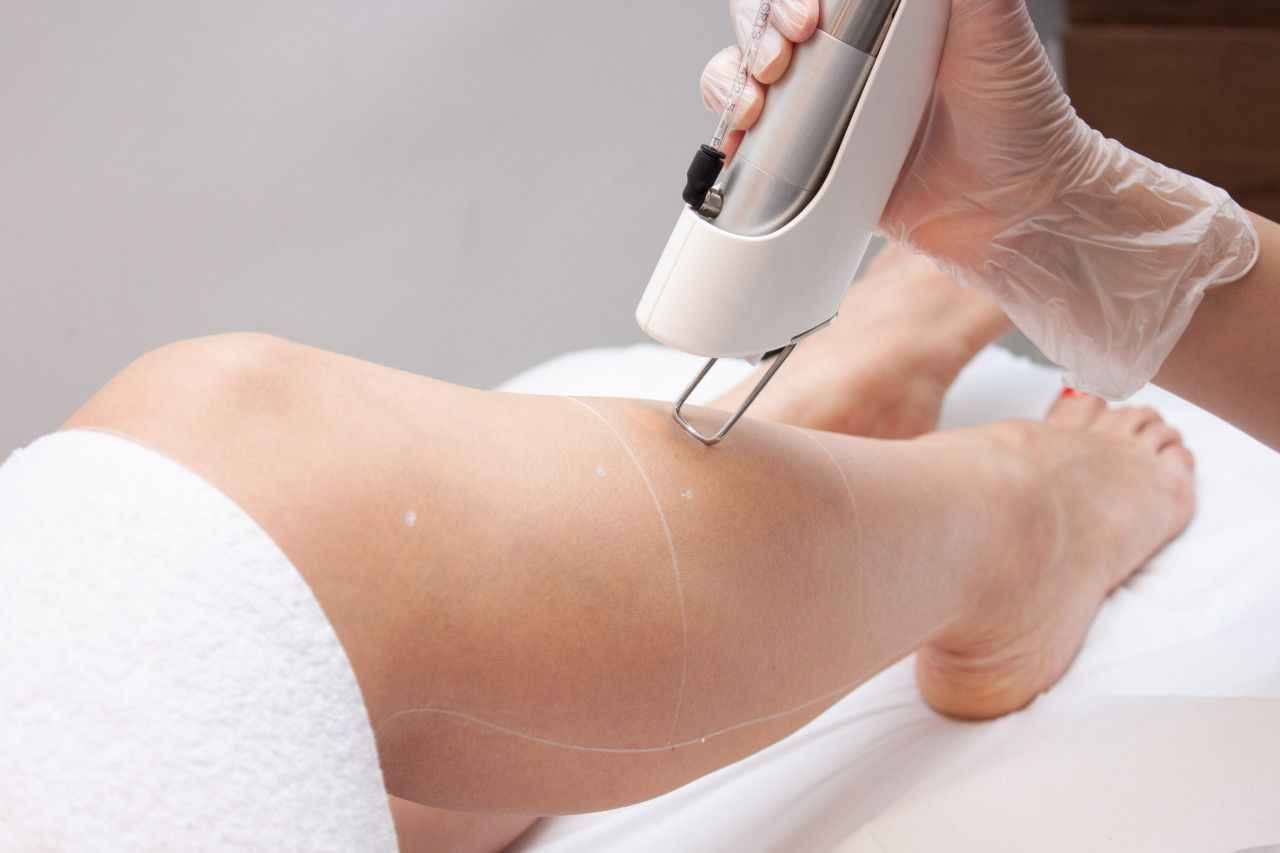

Laser epilation is performed using appropriate laser technologies for different skin types and hair colors. During the procedure, light energy is directed to the hair roots and the roots are damaged. In this way, the hair does not grow back for a long time.
What are the Side Effects of Laser Epilation?
Although the laser epilation method is generally a safe procedure, some side effects may occur. The most common of these are:
Redness and Swelling: Due to the effect of the laser beams on the skin, temporary redness and swelling may occur after the procedure. This usually passes within a few hours.
Pain and Discomfort: During the application of laser beams, the person may feel different levels of pain and discomfort. However, this can be kept to a minimum in the procedure performed by an experienced specialist.
Pigmentation Changes: Sometimes, due to the effect of the laser beams on the skin, stains or color changes may occur in the treated area. This condition is usually temporary and returns to normal within a few weeks.
Burn: Depending on the intensity of the laser beams, mild burns may occur on the skin. This condition usually heals in a short time with appropriate treatment and care.
Why Do Laser Burns Occur?
During the laser hair removal process, laser beams focus on the hair follicles and damage them. However, depending on the intensity of the laser beams and skin sensitivity, burns can sometimes occur on the skin.
The main reasons for burns are:
Skin Type: Some people's skin may be more sensitive to laser beams. Especially in people with fair skin and sensitive skin, the risk of burns is higher.
Laser Settings: The power and settings of the laser device determine the effect on the skin. If the laser power or energy is set too high, the risk of burns increases.
Expert Experience: The experience of the specialist performing the laser hair removal process is also important. An experienced specialist can minimize the risk of burns by making appropriate settings for the skin type.
Skin Preparation: Failure to properly prepare the skin before laser hair removal can also cause burns. For example, exposure to sunlight or using products that irritate the skin can increase the risk of burns.
Is It Normal to Burn After Laser?
Burns that occur after laser hair removal can be considered normal in some cases. Because the effect of laser beams on the skin may vary from person to person. However, the severity of burns and the healing process are also important.
Mild burns are generally considered normal and heal in a short time. However, severe burns or long-term healing processes are not considered normal. In these cases, it is recommended to contact a specialist dermatologist or aesthetician.
The following criteria can be considered to evaluate whether a burn after laser treatment is normal:
Severity of the Burn: Symptoms such as mild redness, swelling or itching can be considered normal. However, severe burns, crusting or painful areas are not normal.
Healing Process: Generally, burns after laser treatment heal within a few days. If the burn lasts longer, this is not considered normal.
Other Side Effects: In addition to the burn, excessive redness, swelling or pigmentation changes may also be observed. In these cases, it is recommended to get an expert opinion.
What to Do to Reduce the Risk of Burns
To minimize the risk of burns after laser hair removal, it is important to take the following precautions:
Skin Preparation: Before laser hair removal, the skin should not be exposed to sunlight and irritating products should not be used. Having clean and healthy skin reduces the risk of burns.
Selection of an Expert: Having laser hair removal performed by an experienced and certified expert significantly reduces the risk of burns.
Laser Settings: The power and settings of the laser device should be adjusted according to the skin type. The expert should make adjustments according to each person's needs.
Cooling Application: Applying cooling applications during and after laser hair removal reduces the risk of burns.
Care and Follow-up: Regularly checking the skin after laser hair removal and using appropriate care products accelerates the healing process.
If you experience any burns or other side effects after your laser hair removal procedure, please contact a specialist dermatologist or esthetician. They will evaluate your condition and make appropriate treatment and care recommendations.
 Call
Call
 Whatsapp