


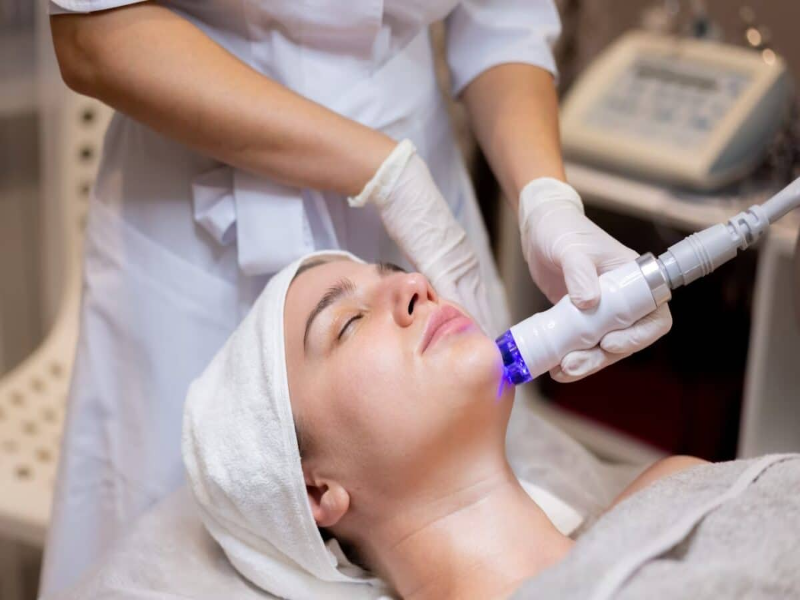

Thulium Laser Pigmentation Treatment in Ankara is one of the laser methods used to reduce the appearance of skin pigmentation and colour irregularities. It may be considered for certain sunspots, age spots and colour changes that develop after acne. Thulium laser technology aims to support skin renewal and a more balanced-looking complexion by creating a controlled effect in the skin.
Thulium laser differs from other laser technologies because it uses a wavelength of 1927 nm. This wavelength is absorbed by water in the skin and may create a controlled effect in superficial skin layers. Recovery time and discomfort during treatment vary according to treatment intensity, the area treated and individual skin structure. Suitability for sensitive skin should be assessed separately.
Thulium laser, which may be considered among laser treatments in Ankara, should be planned according to individual skin structure and pigmentation characteristics. Warmth, stinging or a burning-like sensation may occur during the procedure. Its intensity varies according to individual sensitivity. The time required to return to daily activities also depends on the settings used and the skin’s response.
Benefits of Thulium Laser Pigmentation Treatment
Thulium Laser Pigmentation Treatment may help the skin tone appear more balanced and the skin surface more renewed. It aims to reduce the appearance of dark spots by targeting areas of concentrated pigment. It may be considered according to individual skin structure for certain age spots and sun-related pigmentation concerns.
This laser treatment may support the skin’s natural renewal processes and collagen production. Collagen is one of the proteins involved in maintaining skin structure and elasticity. Changes in skin texture and the appearance of certain fine lines may occur after treatment, but results vary from person to person.
This method, which may be considered as part of Ankara Lazer procedures, may support the appearance of pores and skin texture. The appearance of certain acne marks and surface irregularities may be reduced. Side effects and recovery time vary according to treatment intensity and individual skin characteristics.
What Is Crusting After Thulium Laser Pigmentation Treatment?
Crusting after treatment may be one of the skin’s temporary reactions and can be considered normal after procedures performed at certain intensities. Controlled microthermal areas are created during laser treatment. Crusting or a rough texture may occur while the skin is recovering.
The duration of crusting varies according to treatment intensity and individual skin structure. It may last for several days in some people and for a shorter or longer period in others. Mild crusting that gradually decreases may be an expected reaction, but it does not by itself indicate a positive treatment result.
The skin should be treated gently, and skincare products recommended by the practitioner should be used. Picking, scratching or rubbing the crusts may increase the risk of irritation, scarring or changes in skin colour. The crusts should be allowed to separate naturally.
Determining Whether Crusting Is Normal
The duration and intensity of crusting and any accompanying symptoms should be considered when determining whether it is expected. Mild crusting that remains within the period specified by the practitioner and gradually decreases may be part of normal recovery.
Professional assessment should be obtained if crusting continues for longer than expected, becomes more severe or causes significant discomfort. Increasing redness, marked swelling, severe pain, blistering, discharge or signs suggesting infection should also be evaluated.
A dermatologist or the healthcare professional who performed the procedure should be contacted if unusual symptoms accompany crusting after Thulium Laser Pigmentation Treatment. After assessment, aftercare recommendations or the treatment plan may be adjusted.
Comparison of Pigmentation Treatments and Thulium Laser Treatment
Thulium Laser Pigmentation Treatment is one of the methods that may be considered among different pigmentation treatments. Each method has a different depth of effect, side-effect profile and recovery period. Thulium laser cannot be assumed to be faster, more effective or associated with fewer side effects in every case.
Other pigmentation treatments include chemical peeling and microdermabrasion. These procedures aim to create controlled renewal at the skin surface. Recovery time and discomfort depend on the method, treatment intensity and individual skin structure. Individual assessment is also required for Thulium laser.
Every method has advantages, limitations and possible side effects. Skin structure, the type of pigmentation and medical history should be considered when selecting treatment. The suitability of Thulium laser within Ankara Lazer procedures may be determined following professional assessment.
Skincare Recommendations After Thulium Laser Treatment
Attention to skincare after Thulium laser treatment may support recovery and help preserve the achieved appearance. Moisturisers appropriate for the skin type and recommended skincare products may be used regularly. Their ingredients and frequency of use should follow the practitioner’s recommendation.
Sun protection is an important consideration after treatment. The skin may become more sensitive to sunlight following laser treatment. Broad-spectrum sunscreen suitable for the skin type should therefore be used, and intense direct sun exposure should be avoided.
Crusts should be allowed to separate naturally. Picking or scratching them may increase the risk of irritation, scarring and colour changes. Suitable care after Pigmentation Treatments may help the recovery process progress in a more controlled manner.
Thulium Laser Pigmentation Treatment Processes
The Thulium Laser Pigmentation Treatment process generally consists of several stages. Skin structure, the type of pigmentation and medical history are first assessed to prepare a treatment plan. This assessment is important for determining suitability and treatment settings.
The laser device is applied carefully to the targeted area. The procedure may create microthermal areas intended to support the skin’s natural renewal processes. Treatment duration varies according to the size of the area and the intensity of the procedure. The time required to return to daily activities also depends on the skin’s response.
Aftercare recommendations provided by the practitioner should be followed. Sun protection, moisturising and avoiding irritating products may support recovery. The possible results and risks of Thulium laser performed as part of laser treatments in Ankara may vary from person to person.
 Call
Call
 Whatsapp