


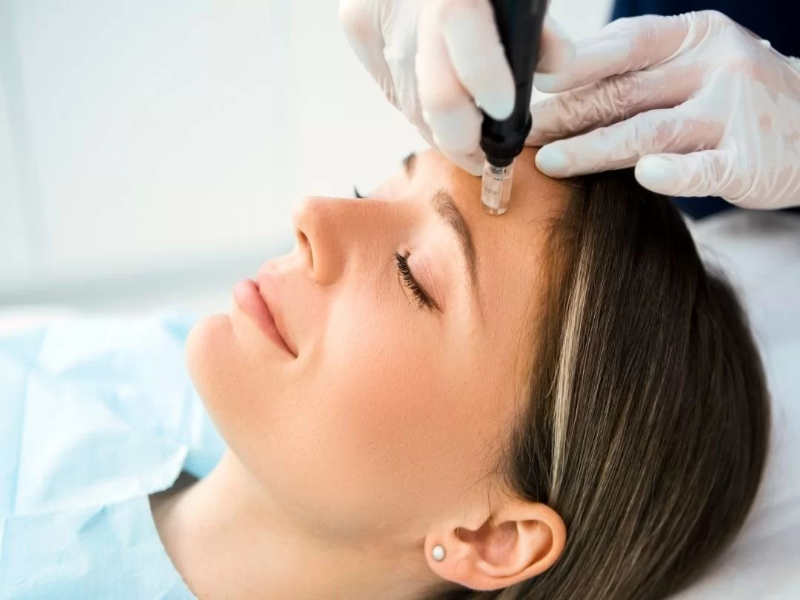

Facial pigmentation may be an aesthetic concern for many people. Various methods are now available to reduce the appearance of these spots. However, it is important to understand the possible effects and recovery process after treatment. This article provides a detailed answer to the question is crusting normal after facial pigmentation treatment.
What Is Facial Pigmentation Treatment?
Facial pigmentation treatment includes aesthetic and dermatological procedures intended to reduce the appearance of dark or light-coloured spots on the skin. These spots may develop due to sun exposure, ageing, hormonal changes or acne marks. Treatment options may vary according to the depth and distribution of the pigmentation and the person’s skin type.
These treatments include chemical peeling, microdermabrasion, laser procedures and topical products. Depending on its mechanism, each method may aim to reduce the appearance of pigmentation by supporting skin renewal or affecting pigment formation. Treatment should be selected according to the person’s skin type and the characteristics of the pigmentation.
Pigmentation treatments should be performed by qualified healthcare professionals. The practitioner should assess the skin in detail to select an appropriate treatment and evaluate possible side effects.
Crusting After Facial Pigmentation Treatment
Crusting after facial pigmentation treatment may be an expected part of recovery, depending on the method used. Mild crusting may occur particularly after certain laser and chemical peeling procedures. The time required for the crusts to shed may vary according to treatment intensity and individual skin structure.
The skin should be treated gently during this period. Crusts should not be forcibly removed and should be allowed to shed naturally. Suitable moisturising and sun protection may support recovery and help reduce the risk of marks.
Mild itching or tightness may also occur during this period. These may be temporary reactions after treatment. However, a professional should be consulted if severe redness, significant swelling, intense pain or discharge develops.
Is Crusting Normal After Facial Pigmentation Treatment?
Crusting after facial pigmentation treatment may be considered normal depending on the procedure and its intensity. Mild crusting may occur particularly after methods that create controlled renewal at the skin surface.
There are several points to consider during this period. Crusts should not be picked or removed. Doing so may increase the risk of irritation and marks. Sun protection and suitable sunscreen products may also be recommended after treatment.
The duration of crusting varies according to the treatment method and individual skin type. A dermatologist should be consulted if crusting lasts longer than expected, becomes more severe or occurs together with unusual symptoms.
Effects of Pigmentation Treatments
Pigmentation treatments may help balance the skin tone and support a smoother-looking skin surface. However, certain temporary reactions may occur. Mild redness, swelling, sensitivity and crusting are among the possible effects. Their duration may vary according to the method used and individual skin structure.
The skin may appear smoother and more radiant after treatment. However, more than one session may be required to achieve the desired appearance. Each treatment may produce a different response according to the person’s skin and the type of pigmentation. An individual treatment plan is therefore important.
Aftercare recommendations should be followed carefully to help reduce possible side effects. This may help manage unwanted skin reactions and support the treatment process.
Skin Pigmentation Treatments: Which Methods Are Available?
Skin pigmentation treatments may involve different methods. The method is selected according to the type and depth of the pigmentation and the person’s skin type. Commonly used approaches include:
-
Chemical Peeling: Creates controlled exfoliation of the upper skin layer and may help reduce the appearance of pigmentation.
-
Laser Treatments: Use specific wavelengths to target dark pigment in the skin.
-
Microdermabrasion: Gently abrades the upper skin layer and may support a smoother skin surface.
-
Topical Creams: May contain ingredients that help balance the skin tone and reduce the appearance of pigment.
Each method has advantages and limitations. Chemical peeling may be considered for superficial spots, while some laser procedures may be planned for pigmentation at different depths. Treatment should be selected according to professional guidance and individual expectations.
Facial Pigmentation Treatment With Ankara Lazer
Facial pigmentation treatments at Ankara Lazer may be planned according to the person’s skin type and the characteristics of the pigmentation. Laser procedures may help reduce the appearance of spots by targeting pigment differences in the skin.
Depending on the device and method, laser treatment may target pigment at different skin depths. Different laser types may be considered according to skin type and pigmentation depth. Treatment duration, number of sessions and response may vary from person to person.
Following the aftercare recommendations is important for protecting the skin and supporting recovery. This approach may help reduce unwanted reactions and preserve the appearance achieved through treatment.
Skin Care After Facial Pigmentation Treatment
Skin care after facial pigmentation treatment is important for supporting a healthy recovery process. Protective measures should be taken because the skin may be sensitive during this period. Some points to consider include:
-
Moisturising: Using a suitable moisturiser may help support the skin barrier and reduce dryness.
-
Sun Protection: Suitable sunscreen products may help protect the skin from ultraviolet radiation.
-
Avoiding Scratching: Itching may occur, but the skin should not be scratched and crusts should not be removed. This may help reduce irritation and infection risk.
Following these recommendations may support a more controlled recovery process and help reduce unwanted effects.
Points to Consider After Treatment
Aftercare is important for supporting the skin’s recovery. Some points to consider include:
-
Skin Cleansing: Gentle cleansers should be used to clean the skin without causing irritation.
-
Avoiding Irritating Products: Alcohol-based toners and products containing strong active ingredients should not be used while sensitivity continues.
-
Follow-Up Assessments: Post-treatment assessments may help evaluate the skin’s response and identify possible concerns early.
These measures may help protect the skin and support a more controlled recovery process.
Frequently Asked Questions About Pigmentation Treatments
-
How long do pigmentation treatments take?
-
Treatment duration varies according to the type of pigmentation and the method used. The time required for results to become visible may differ from person to person.
-
-
Does pigmentation treatment hurt?
-
Some procedures may cause mild warmth, stinging or discomfort. The sensation varies according to the treatment and individual sensitivity.
-
-
Can treatment leave marks on the skin?
-
Using suitable devices and settings, having the procedure performed by qualified professionals and following aftercare recommendations may help reduce the risk of marks. However, every procedure may carry a certain level of risk.
-
 Call
Call
 Whatsapp