


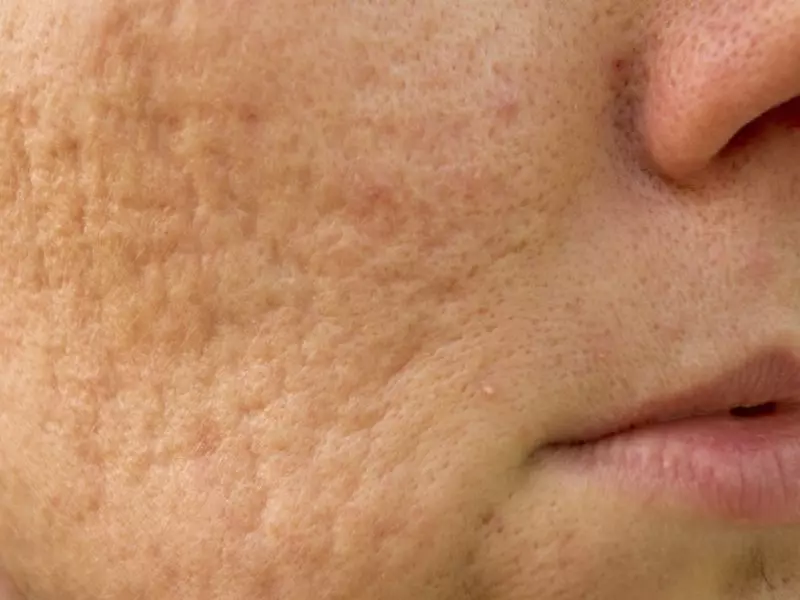

Pigmentation treatment in Çankaya is considered one of the effective procedures within the scope of skin pigmentation treatments. Professionally performed at many clinics, particularly in Ankara, this treatment includes various techniques aimed at addressing pigmentation concerns. Methods such as laser therapy, chemical peeling and microdermabrasion are among the main components of the treatment. Each technique works on different layers of the skin, helping reduce melanin accumulation and create a more even skin tone.
The methods used in pigmentation treatment may vary according to the individual’s skin type and the type of pigmentation. Ankara Laser applications are frequently preferred, particularly for deeper and more persistent pigmentation. These procedures use laser energy to target the skin and support the appearance of healthier skin cells beneath the treated surface. Laser treatment may renew the skin texture and create a smoother appearance.
These treatment methods are used not only for aesthetic purposes but may also positively affect psychological well-being. Skin pigmentation can cause a loss of confidence for many people. For this reason, pigmentation treatment is an important aesthetic procedure that may help individuals feel better about themselves. Treatments performed by specialists in Çankaya aim to provide reliable and effective results.
The Crusting Process After Pigmentation Treatment
Crusting after pigmentation treatment is often considered part of the normal recovery process. This change, which may be observed following professional pigmentation treatments in Çankaya, can indicate that the treated area has entered a renewal phase. Crusting may occur as the upper layer of the skin sheds and a fresher-looking surface begins to emerge.
The crusting process generally lasts from a few days to approximately one week. During this period, small crusts may form on the surface of the skin and gradually fall away on their own. The skin may appear healthier and more evenly toned as this process progresses. However, the crusts should not be picked or removed manually, as doing so may cause marks or scarring.
Since the skin may be more sensitive and delicate during this period, protection from sunlight is extremely important. Sunscreen helps protect the skin and supports the recovery process. Keeping the skin moisturised and carefully selecting skincare products also helps the healing period progress more comfortably.
Causes of Crusting
The most apparent cause of crusting is the procedures applied to the skin’s surface during pigmentation treatment. Skin pigmentation treatments target the upper layer of the skin and encourage its renewal. During this process, the skin may form a crust as part of its natural protective response. Crusting is generally a sign that the skin is repairing itself and is not usually a cause for concern.
Laser treatment, chemical peeling and other skin renewal procedures stimulate the upper layers of the skin and promote the formation of new cells. These procedures may cause the upper layer of the epidermis to shed, resulting in crusting. The crusts form a protective barrier against factors that may affect the healing skin surface.
The duration and severity of crusting may vary according to the individual’s skin type and the treatment method used. Crusting may be more noticeable in people with sensitive skin, while the process may be milder in those with thicker skin. Following post-treatment care and hygiene instructions can help keep crusting and irritation under control.
Points to Consider After Treatment
There are several important points to consider after pigmentation treatment. First, the skin should be cleansed gently while it is healing. Washing with excessively hot water should be avoided, and mild cleansers suited to the skin’s pH balance should be used. This helps protect the skin’s natural barrier.
Avoiding sun exposure is one of the most critical parts of post-treatment care. The skin becomes more sensitive after pigmentation treatment and may be more vulnerable to sunlight. Using sunscreen helps protect the skin and may reduce the risk of new pigmentation. Additional protective accessories, such as hats and sunglasses, may also be used.
Skincare products should also be selected carefully. Products containing alcohol or harsh chemicals should be avoided to prevent irritation. Moisturisers and products formulated for sensitive skin should be preferred instead. Following the dermatologist’s recommendations can support recovery and reduce the risk of complications.
Skincare Tips After Pigmentation Treatment
An effective skincare routine following pigmentation treatment can help the skin recover in a healthy and comfortable manner. First, it is important to keep the skin moisturised. Using appropriate moisturisers can provide the hydration the skin needs and make the crusting process more comfortable. Products containing hyaluronic acid may help support skin moisture.
Antioxidant-containing serums and creams may also be useful in skincare. These products help protect the skin against free radicals and may support the recovery process. Products containing vitamin C, which may contribute to a more even skin tone, can also be considered when recommended by a specialist. Such products may help reduce differences in skin tone and support a more uniform appearance.
Nutrition also has a direct effect on general skin health. Drinking sufficient water helps maintain the skin’s moisture balance. Consuming fruit and vegetables rich in antioxidants can support a healthy skin appearance. Foods containing omega-3 fatty acids may also support skin elasticity and contribute positively to the recovery process.
Frequently Asked Questions About Crusting
1. How long will the crusting last?
The duration of crusting varies according to personal factors and the treatment method used. It generally lasts from a few days to approximately one week. However, this period may be longer or shorter depending on the individual’s skin type.
2. Is it harmful to pick the crusts?
Yes. Picking the crusts may cause marks or scarring. Allowing them to fall away naturally is the healthiest approach. Avoiding interference with the skin’s recovery process can support better results.
3. What should I consider in skincare after crusting?
After crusting, keeping the skin moisturised and protecting it from sunlight should be the main priorities. Sunscreen helps protect the skin, while moisturiser provides the hydration needed during recovery.
 Call
Call
 Whatsapp