


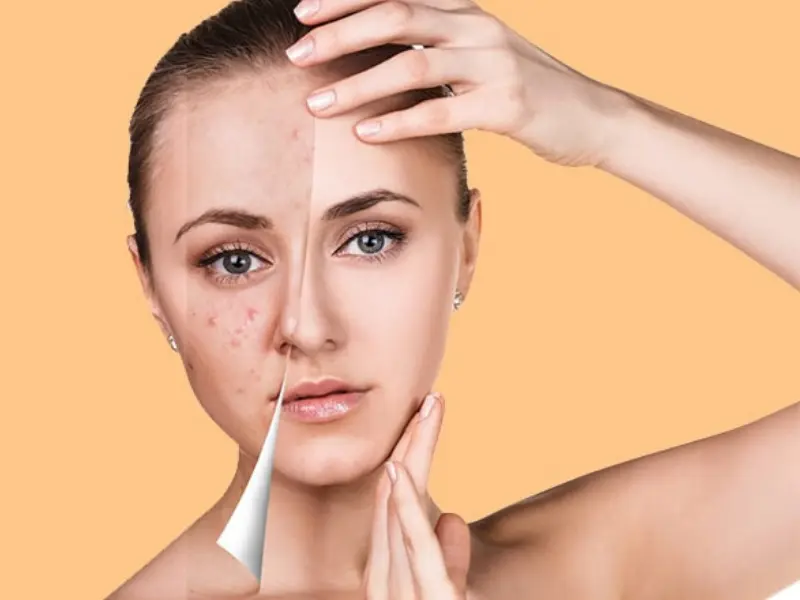

Pigmentation treatments in Çankaya include aesthetic and medical procedures intended to reduce the appearance of uneven skin tone and selected pigmentation concerns. They may be considered for sun-related spots, age spots, post-acne pigmentation, and other forms of discoloration. Treatment options may include chemical peels, laser procedures, and microdermabrasion, depending on the individual's skin characteristics and the type of pigmentation.
An individualized approach is important when planning Çankaya pigmentation treatment. Since every person's skin type, pigmentation pattern, and sensitivity can differ, treatment should be selected accordingly. Before treatment, a professional assessment may help determine which approach is more appropriate and identify factors that could increase the likelihood of unwanted skin reactions.
Different pigmentation treatment options are available in Çankaya, including selected Ankara Laser technologies. The choice of treatment should be based on skin type, the cause and depth of pigmentation, and individual treatment goals.
Why Does Crusting Occur After Pigmentation Treatment?
Crusting may occur after certain pigmentation treatments as part of the skin's healing response.
It is more commonly associated with procedures that intentionally affect the outer layers of the skin, including certain chemical peels and some laser treatments. Depending on the procedure, temporary dryness, flaking, peeling, or crust formation may develop.
The intensity of crusting varies according to the treatment method, treatment depth, device settings, and individual skin response. A deeper chemical peel, for example, may produce more noticeable peeling or crusting than a superficial procedure.
Crusting does not automatically mean that treatment has been more successful. It is simply one possible skin response following certain procedures.
During this period, the skin should be treated gently. Crusts should generally be allowed to detach naturally rather than being picked or removed manually.
After Peeling Pigmentation Treatment, moisturizers or other products recommended by the practitioner may help support skin comfort and recovery.
Is Crusting Normal After Treatment?
Whether crusting is considered normal after Çankaya pigmentation treatment depends mainly on the procedure performed.
Mild peeling or crusting may be expected after certain laser or peeling procedures. However, some pigmentation treatments may cause little or no visible crusting.
Temporary redness and sensitivity may also occur during the normal recovery period.
If crusting becomes unusually severe or is accompanied by increasing pain, significant swelling, discharge, bleeding, or progressively worsening redness, professional evaluation may be appropriate.
Following individualized aftercare recommendations can help support the normal recovery process.
Recovery After Pigmentation Treatment
The recovery process after pigmentation treatment varies according to the treatment method and individual skin characteristics.
Temporary redness, dryness, sensitivity, peeling, or crusting may occur during the first few days after certain procedures.
Gentle skin care is generally recommended during this period. Moisturizing products appropriate for the procedure may help support the skin barrier and improve comfort.
Sun protection is also important because treated skin may temporarily become more sensitive to ultraviolet exposure. Excessive sun exposure may contribute to irritation or recurrent pigmentation.
After selected Ankara Laser procedures, broad-spectrum sunscreen and additional sun-protection measures may be recommended according to the treatment area and professional advice.
The appearance of the treated area may continue to change as the skin heals. Recovery time can range from a few days to longer periods depending on the intensity and type of treatment.
What Should Be Considered When Crusting Occurs?
There are several important points to consider if crusting develops after pigmentation treatment.
First, crusts should generally not be picked, scratched, or removed manually. Doing so may increase irritation and could contribute to infection, delayed healing, or unwanted pigment changes.
Second, the skin should be cared for according to the instructions provided after the procedure. Suitable moisturizers may help support the skin barrier and reduce excessive dryness.
After Peeling Pigmentation Treatment, gentle and fragrance-free products may be preferable during the early recovery period.
Harsh cleansers, alcohol-based toners, exfoliating acids, scrubs, and other potentially irritating products may need to be temporarily avoided.
Very hot showers, saunas, steam rooms, and other sources of excessive heat may also need to be limited for a period depending on skin sensitivity and professional recommendations.
What Should Be Known Before Pigmentation Treatment in Çankaya?
Before undergoing pigmentation treatment in Çankaya, it is useful to have the skin and pigmentation concern professionally evaluated.
Skin type, the cause and depth of pigmentation, previous treatments, medications, skin sensitivity, and expectations may all influence treatment planning.
The expected recovery period and possible temporary skin reactions should also be discussed before treatment.
Treatment costs and the possible number of sessions may vary according to the procedure, treatment area, technology used, and individualized treatment plan. General information about these factors can be obtained before beginning treatment.
Different Ankara Laser and other pigmentation treatment options may therefore have different treatment plans and cost structures.
Pigmentation Treatment Options in Çankaya
Several pigmentation treatment options may be considered in Çankaya depending on the type of discoloration.
Laser Treatment
Selected laser technologies may target pigment within the skin and help reduce the visible appearance of certain pigmentation concerns.
Suitability depends on skin tone, pigmentation type, depth, device characteristics, and treatment parameters.
Chemical Peeling
Chemical peeling involves controlled exfoliation of selected layers of the skin.
It may help improve certain superficial pigmentation concerns and uneven skin tone. The type and depth of the peel should be selected according to individual skin characteristics.
Microdermabrasion
Microdermabrasion mechanically exfoliates the outermost layer of the skin.
It may be considered for selected superficial texture or pigmentation concerns, but it is not suitable for every skin condition.
The most appropriate pigmentation treatment should be determined according to the type of pigmentation, skin characteristics, and professional assessment rather than assuming that one method will provide the best result for everyone.
 Call
Call
 Whatsapp