


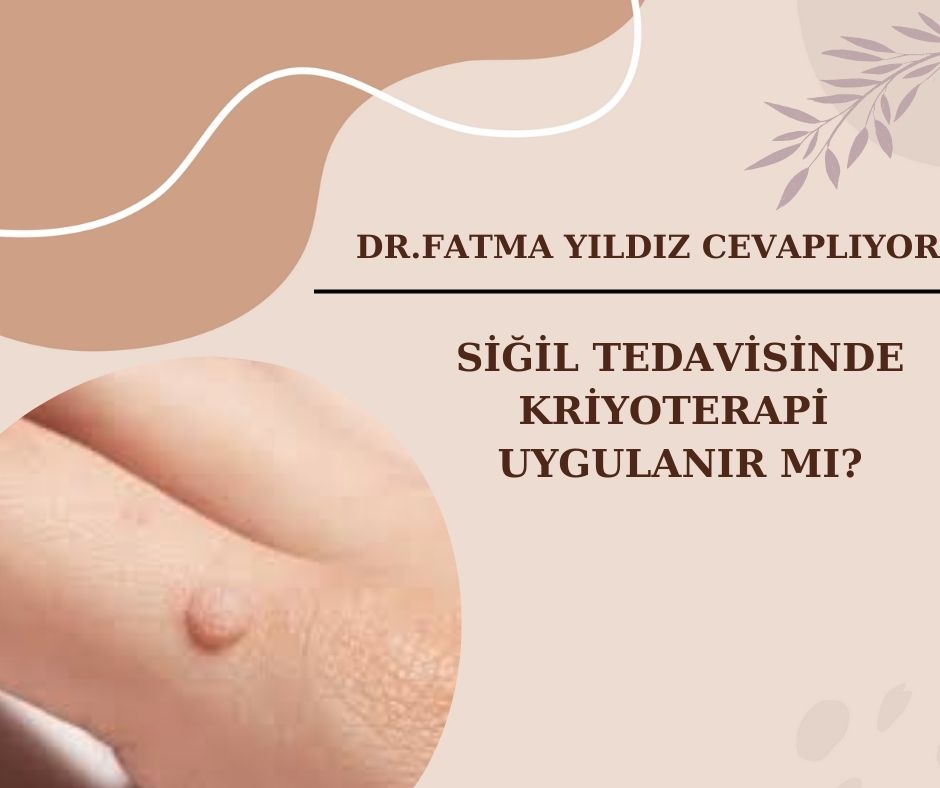

Is Cryotherapy Used in Wart Treatment?
Warts are skin lesions caused by the human papillomavirus (HPV). These structures, which are seen on the hands, feet and other parts of the body, can often go away on their own. However, sometimes, especially those located in areas such as the sole and palm, can cause pain and discomfort and require treatment. Cryotherapy, one of the most common treatment methods, is a method of removing warts by freezing them. So, what affects the success of cryotherapy? A study conducted between 2016 and 2019 offers striking findings to find the answer to this question.
Warts and Treatment Methods
Warts are small, curved structures that appear on the skin surface due to HPV infection. They can occur on the hands, soles and sometimes in visible areas such as the face and cause discomfort. Since warts are contagious, they can spread by contact or through common areas. Treatment methods include topical agents such as salicylic acid, surgical intervention and cryotherapy. Cryotherapy is based on the principle of freezing and destroying the lesion by applying liquid nitrogen to the wart.
Research Purpose and Method
This study aimed to evaluate the factors affecting the success rate in patients with warts treated with cryotherapy. In this retrospective study conducted on 98 patients at Kocaeli Derince Training and Research Hospital between 2016-2019, factors such as age, gender, wart size and treatment session intervals were examined. Patients who did not show improvement after six sessions were considered resistant to treatment.
Results
This study revealed striking findings in the treatment of warts with cryotherapy:
Gender Difference: The rate of resistance to treatment was found to be higher in women than in men (71.4% vs. 28.6%).
Wart Size: Resistance to treatment increases as the size of the wart increases. For example, the resistance rate reaches up to 60% in warts larger than 5 mm.
Location Area: Plantar warts located on the sole of the foot are among the most resistant to treatment.
These findings show that the success of cryotherapy depends not only on the quality of the application but also on individual factors.
Factors Affecting Resistance to Treatment
Large Warts: Larger warts resist treatment because they carry a higher viral load. Therefore, early treatment is important.
Female Patients: It is not fully known why treatment resistance is observed in women. This finding needs to be supported by further studies.
Plantar Warts: Warts on the sole of the foot are more difficult to treat due to the thick skin layer.
Disease Duration: Long-term warts are generally more resistant, but this factor was not found to be statistically significant in this study.
Conclusion and Recommendations
Cryotherapy is an effective and useful method in the treatment of warts. However, treatment success may vary depending on individual factors. Larger lesions and female gender may negatively affect success. Therefore, it is important to detect warts early, start treatment, and raise awareness in patients. Treatment success may be higher in patients who pay attention to their own care and regularly attend doctor check-ups.
In light of this information, raising awareness about modern treatment methods such as cryotherapy is very important for both individual and public health.
 Call
Call
 Whatsapp