


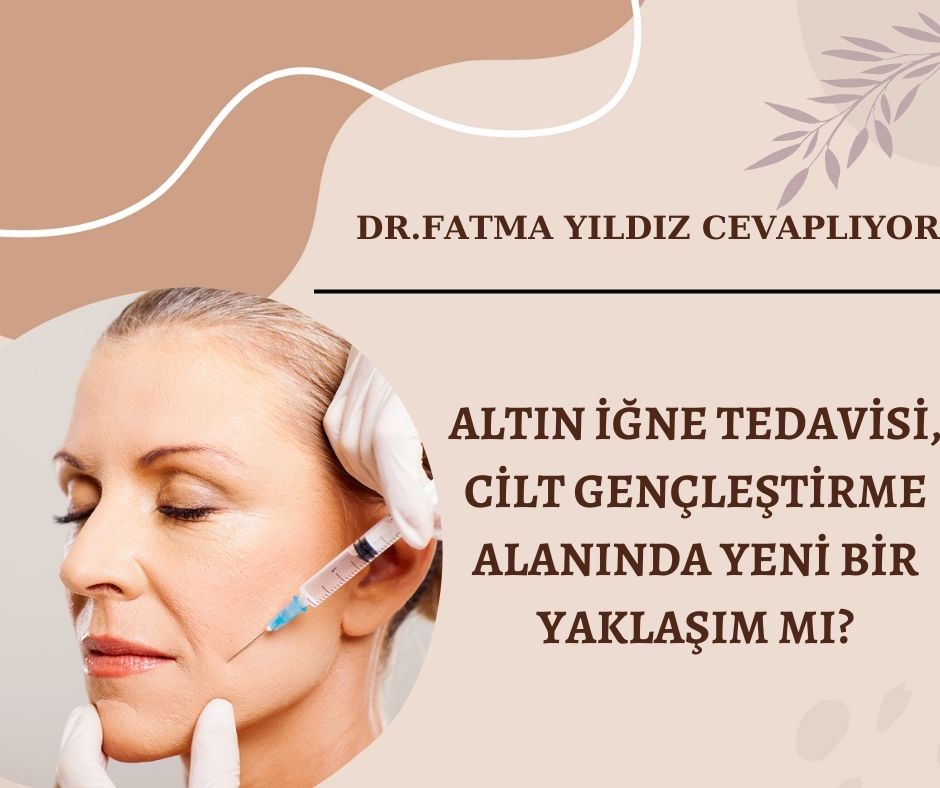

Is Gold Needle Treatment a New Approach to Skin Rejuvenation?
Microneedle radiofrequency (RF) is a minimally invasive treatment method that provides firmness and rejuvenation by increasing collagen production in the skin. This method offers a safe and effective solution for many dermatological and cosmetic problems such as sagging skin, wrinkles and acne scars.
Advantages of Microneedle Radiofrequency
• Collagen production: Activates the skin's own renewal mechanisms.
• Safe application: Side effects are rare and usually mild.
• Wide range of use: Can be used for skin tightening, wrinkle treatment, acne scars and other aesthetic problems.
Future Potential
Microneedle radiofrequency has significant potential in dermatological treatments. However, for the method to be used more effectively:
• More research is required,
• Specific treatment protocols are created,
• Efficacy and safety data must be standardized.
This technology has the potential to set new standards in skin treatments and benefit a wider group of patients.
Microneedle Radiofrequency (RF): Skin Rejuvenation and Treatment Method
Microneedle radiofrequency (RF) is a minimally invasive and non-ablative treatment method that creates controlled damage by sending thermal energy to certain depths in the skin. This process stimulates new collagen production (neocollagensis) in the skin and tightens the skin.
In recent years, it has become popular in skin rejuvenation and the treatment of various dermatological problems. However, more studies are still needed to better understand its effectiveness and safety.
Microneedle RF Approval Process
• 2002: Approved for periocular wrinkles (wrinkles around the eyes).
• 2004: Approved for the treatment of facial wrinkles.
• 2006: Approved for use in areas other than the face.
________________________________________
How Does It Work?
Radiofrequency devices convert this energy into thermal energy by creating an electric current in the skin. This heat, caused by the resistance in the skin, rises to 65-70°C in the tissue. This temperature:
1. Causes collagen fibers to shrink,
2. Starts the wound healing process,
3. Increases new collagen and elastin production.
Research shows that temperatures above 65°C cause collagen fibers to change shape and tighten, and this process continues up to 80°C.
Treatment Protocol
1. Preparation: Written consent is obtained from the patient before the treatment, photographs are taken, and the area to be treated is cleaned.
2. Anesthesia: Topical anesthetic cream is applied and waited for 30 minutes.
3. Sterilization: The area is cleaned with alcohol and chlorhexidine. Since the epidermis will be partially damaged, great care is taken for sterility.
4. Application:
o Depth and energy appropriate for the skin type and problem are selected.
o Each area is scanned 1-3 times during the treatment.
o The risk of side effects is reduced by allowing the skin to cool down during the procedure.
Post-Procedure Recommendations
• Make-up should not be applied the day after the procedure.
• Repair serums and sunscreen should be used.
• The head should be slightly elevated to prevent edema.
The treatment area should be kept clean.
• Since the microneedle channels usually remain open for 6-12 hours, hygiene should be taken into consideration.
Side Effects and Energy Levels
• High energy levels may cause more side effects, but clinical results are generally similar to those obtained with medium energy levels.
Therefore, balanced energy levels should be preferred to ensure effectiveness without prolonging the treatment process and increasing the risk of complications.
Treatment Sessions
4 sessions at 4-week intervals are recommended. In each session, the tissue's collagen production increases, and the skin gains a tighter and younger appearance.
Microneedle radiofrequency renews and tightens the skin by creating controlled thermal damage. This technology offers effective results with minimal side effects and stands out as a reliable option in skin rejuvenation treatments.
 Call
Call
 Whatsapp