


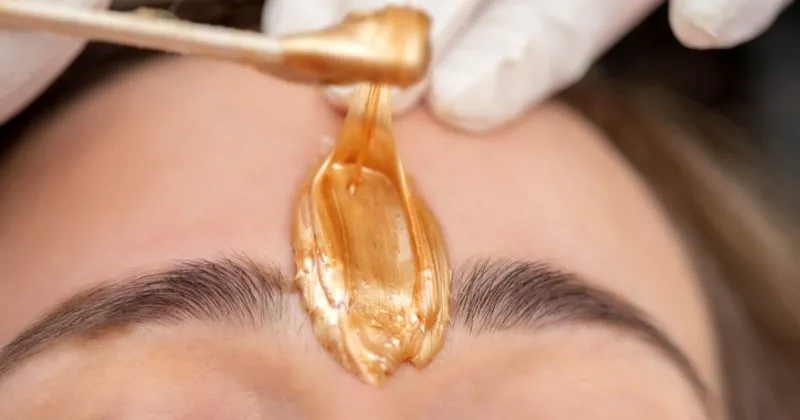

The main purpose of waxing eyebrows is to correct, thin or reshape the shape of the eyebrows. This method aims to achieve the most suitable appearance of the eyebrows according to the person's facial features and preferences. However, waxing eyebrows also has some potential risks and harms. Therefore, it is important to make a careful assessment before performing this procedure.
Waxing Eyebrow Techniques
Waxing eyebrows can be performed by a professional beautician or by yourself at home. The following techniques are frequently used in waxing eyebrows:
Thread Waxing: Thread waxing is the removal of unwanted hair using a thin thread. This technique provides a more precise result, especially in sensitive areas.
Hot Waxing: Hairs are removed by applying warm wax to hot wax. This technique can cover larger areas and provides a more effective result.
Cold Waxing: Cold waxing is used with wax at room temperature. This technique may be preferred because it is less painful.
Strip Waxing: Pre-prepared wax strips are used in strip waxing. This technique provides a faster and more practical application.
Eyebrow waxing can yield different results depending on the sensitivity of the skin, personal preferences and the correct application. Getting support from a professional beautician is important for determining the most appropriate technique and for a safe application.
Damages of Eyebrow Waxing
Eyebrow waxing can involve some potential harms. Here are some possible harms of eyebrow waxing:
Skin Irritation: Waxing can cause skin irritations such as redness, itching and burning sensation, especially on sensitive skin.
Infection Risk: Opened pores and cuts after waxing carry a risk of infection. Incorrect application or lack of hygiene can lead to infections.
Excessive Thinning: Waxing can cause excessive thinning of the eyebrows. This can disrupt the natural eyebrow appearance and create an artificial appearance.
Permanent Damage: Incorrect or excessively frequent waxing can cause permanent damage to the hairs and prevent them from growing.
Pigmentation Changes: Waxing can cause pigmentation changes on the skin. This condition can be permanent, especially on sensitive skin.
Pain and Discomfort: Waxing can cause pain and discomfort. This can vary depending on the person's pain threshold and the correct application.
To safely perform the waxing eyebrow procedure, it is important to get support from a professional beautician and take your skin sensitivity into account. It may also be necessary to closely monitor your skin's reaction after waxing and seek medical attention if necessary.
Natural Eyebrow Plucking Methods
To avoid the potential harms of waxing eyebrows, opting for natural eyebrow plucking methods may be an option. Here are some natural eyebrow plucking methods:
Tweezers: Using tweezers to remove individual hairs is the most classic and safe method. This method provides a more controlled application and reduces the risk of skin irritation.
Cutting with Scissors: Cutting the eyebrows with scissors allows the hairs to be arranged and shaped. This method makes the eyebrows look well-groomed without having to completely remove the hairs.
Eyebrow File: Using an eyebrow file, it is possible to organize the eyebrows and remove unwanted hairs. This method offers a more controlled application.
Eyebrow Dye: Eyebrow dye makes the eyebrows look more defined and fuller. This method allows the eyebrows to be shaped without having to remove the hairs.
Eyebrow Lift: Eyebrow lift procedure makes the eyebrows look higher and more defined. This method offers a non-surgical approach.
Natural eyebrow plucking methods can be a safer option in terms of protecting the health of the skin and preserving the natural appearance of the eyebrows. However, since each method has its own advantages and disadvantages, it is important to choose the most suitable method according to your personal preferences and skin sensitivity.
 Call
Call
 Whatsapp