


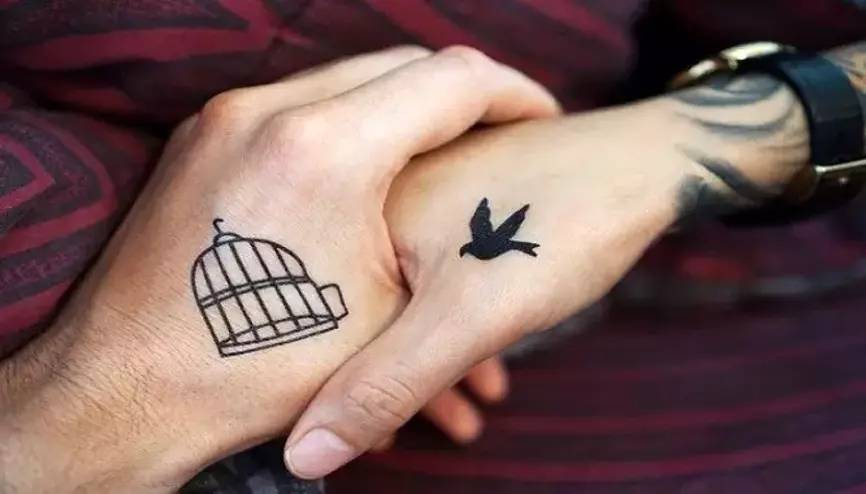

Tattoo Removal in One Session: Medical Explanation and Evaluation
Tattoo removal is a process that breaks down ink particles located under the skin with laser light and allows them to be naturally removed by the body. However, completely removing a tattoo in one session depends on many factors and is generally not possible.
Factors Affecting Tattoo Removal in One Session
Ink Density and Color of the Tattoo
Black and dark colored tattoos absorb laser light better, while light colored tattoos are more difficult to remove.
Colors such as green, yellow and blue tones usually require more sessions.
Depth and Type of Ink
Amateur tattoos are usually more superficial and can be removed more easily, while professional tattoos require more sessions because the ink is deeply embedded in the skin.
Some tattoo inks are formulated to be more permanent on the skin and require a more difficult removal process.
Laser Technology Used
Q-Switch Nd:YAG laser: The most commonly used tattoo removal laser, especially effective on black and dark colored tattoos.
Pico laser technology: It can provide faster results because it works with shorter wavelengths and makes the ink particles smaller.
Skin Type and Sensitivity
While laser light is more effective on fair-skinned people, there may be a risk of hypopigmentation or hyperpigmentation on darker skin tones.
Age of the Tattoo
New tattoos are more difficult to remove because they contain denser ink, while old tattoos can be removed more easily because the ink fades over time.
Area of the Body
The area where the tattoo is located is important in terms of blood circulation. Tattoos on the face and neck area are usually removed faster, while the process may take longer in areas with low blood circulation such as the feet or wrists.
Is It Possible to Remove a Tattoo in One Session?
In small and superficial tattoos, fading can be achieved to a large extent after one session.
In light-colored, large or deeply processed tattoos, complete removal in one session is not possible.
In some cases, single-session removal attempts with intense laser energy may cause burns or scarring on the skin.
Conclusion and Recommendations
Patients should not be guaranteed complete removal in one session.
For best results, a personalized treatment plan should be created and an average of 6-12 sessions should be specified.
It is recommended to take 6-8 weeks between sessions for the skin to heal.
Post-laser skin care is important; sunscreen should be used and irritating chemicals should be avoided.
 Call
Call
 Whatsapp