


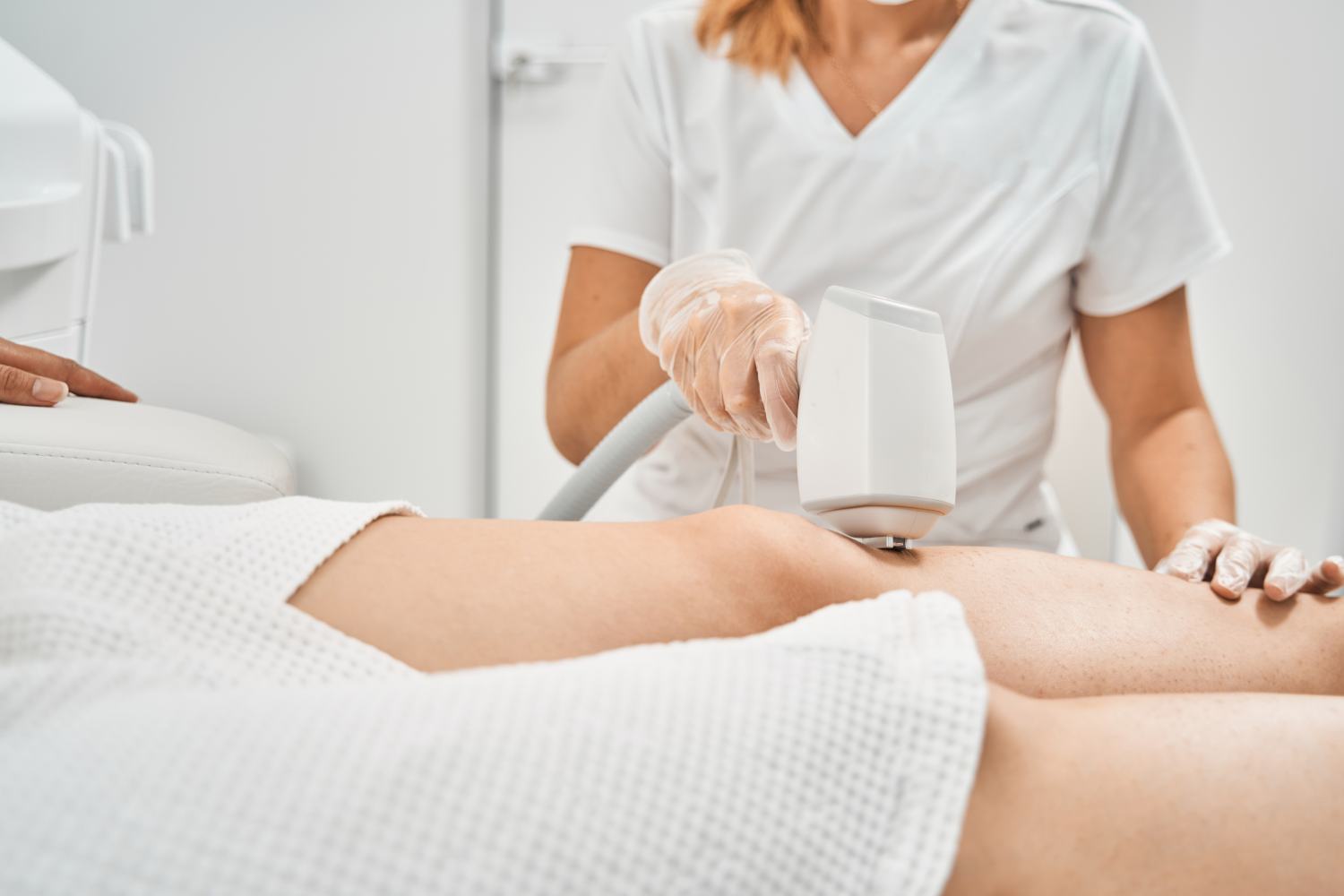

Laser hair removal is often preferred in areas of the body where there is thick and dark hair. Areas such as the face, legs, underarms and bikini area are areas where laser hair removal is commonly applied. This method provides more effective, fast and permanent results compared to traditional hair removal methods.
Why Does Itching Occur After Laser?
During the laser hair removal process, melanin molecules in the hair follicles are broken down with thermal energy. This process can cause temporary sensitivity of the skin and itching. Itching occurs as a result of stimulation of nerve endings on the skin.
Laser beams can affect the surrounding healthy tissues as well as the hair follicles. This can cause temporary side effects such as a slight burning or redness on the skin. Itching may occur as a result of these side effects.
In addition, the pressure and heat applied to the skin during the application of laser beams can also cause itching. The healing process that the skin goes through after this procedure can also cause itching.
Duration and Severity of Itching After Laser Hair Removal
The duration and severity of itching after laser hair removal may vary from person to person. Generally, itching begins immediately after the procedure and can last for a few days. In some people, itching may continue for a longer period of time.
The severity of itching also depends on personal factors. While some people only feel a slight itch, others may experience more severe itching. Factors such as skin type, sensitivity level, applied laser power and hair density determine the severity of itching.
Itching is usually felt most intensely in the first 24-48 hours after the procedure. Later, itching gradually decreases and disappears completely within a few days. However, itching may continue for a longer period of time in some people.
What Can Be Done to Relieve Itching After Laser Hair Removal
Various methods can be applied to relieve itching after laser hair removal. These include:
Applying Cold Compress: It is possible to reduce itching by applying a cold compress to the itchy area, increasing blood circulation and soothing the tissues.
Moisturizer Use: Moisturizer can be applied to the itchy area to strengthen the skin barrier and reduce the risk of drying/irritation.
Antihistamines: Antihistamines taken with a doctor's recommendation can be effective in reducing itching.
Ice Application: Applying ice to the itchy area can temporarily relieve itching with the effect of cold.
Stress Management: Stress and anxiety can trigger itching. Therefore, stress management should be provided with methods such as relaxation techniques, meditation or yoga.
Avoiding Rubbing the Skin: Scratching or rubbing the itchy area is not recommended as it can cause more irritation and itching.
Protective Clothing Use: Cotton and comfortable clothing that will cover the itchy area can be preferred.
 Call
Call
 Whatsapp