


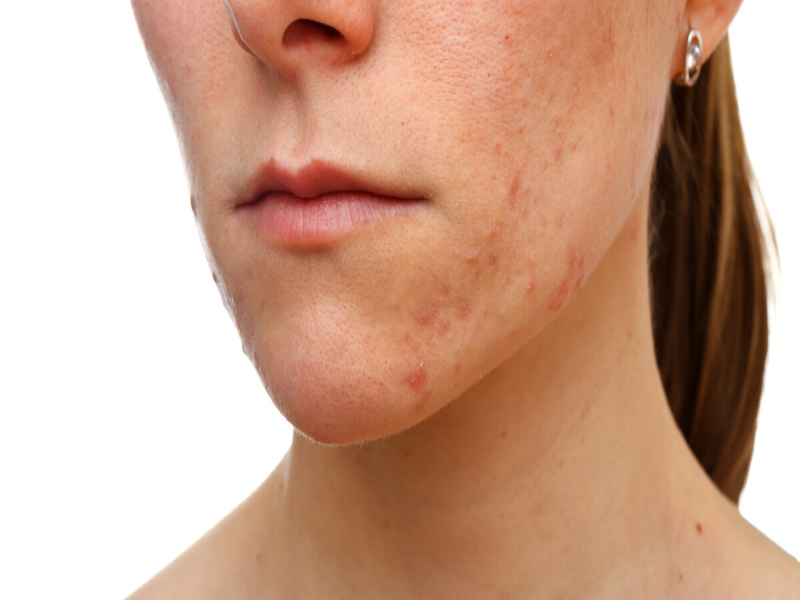

Acne is a common skin concern that many people experience in their lives. When it is not treated or is treated incorrectly, it may leave lasting marks on the skin known as acne pits. Acne pitted scar treatment covers various dermatological procedures performed to reduce the appearance of these scars. These treatment methods generally include laser treatment, chemical peeling, microneedling, and filler injections.
Each of these treatments targets the upper layers of the skin, encourages skin renewal, and supports collagen production. This process may help the skin look smoother, more even-toned, and more refreshed. However, not every treatment method may be suitable for every skin type, so it is important to receive a personal evaluation from a specialist dermatologist.
The treatment process generally requires several sessions, and there is a certain recovery period between each session. The success rate may vary depending on the treatment method, skin type, and the depth of acne scars. Experiencing some redness and sensitivity on the skin after acne pitted scar treatment is generally considered part of the process.
Redness and Sensitivity After Acne Pitted Scar Treatment
As with every dermatological procedure, acne pitted scar treatment may cause temporary side effects on the skin. Redness and sensitivity are among the most common conditions seen after treatment. These symptoms are usually a normal skin response to treatment and are generally not a cause for concern.
Redness usually begins immediately after treatment and may last for a few days. Sensitivity may appear as a mild burning or stinging sensation around the treated area. These symptoms may be considered a sign that the skin is renewing and recovering.
Such side effects may vary from person to person. Skin type, the treatment method applied, and the products used may affect this process. Therefore, before treatment, it is important to have a detailed consultation with your dermatologist and get information about expected side effects and the recovery process.
Causes of Redness and Sensitivity After Acne Pitted Scar Treatment
There may be various reasons for redness and sensitivity after treatment. First, during treatment, the upper layer of the skin is damaged at a micro level. This damage starts the skin’s self-repair process, and redness and sensitivity during this process are generally expected.
Second, methods such as laser or chemical peeling work to increase collagen production in the skin. This process may create temporary inflammation in the skin, which can be another reason for redness and sensitivity. In addition, the ingredients of the products used during treatment may also affect the level of sensitivity.
Finally, your skin type and sensitivity may affect the severity and duration of these symptoms. For example, people with sensitive skin may experience more redness and sensitivity after treatment. Therefore, it is important to create a plan suitable for your skin type before treatment.
When Is Redness and Sensitivity Expected to Go Away?
The time it takes for redness and sensitivity to decrease after acne pitted scar treatment may vary depending on the method applied and skin type. Generally, these symptoms decrease within a few days to a week. However, in some cases, especially when deeper treatment methods are used, this period may be longer.
The reduction of redness is part of the skin’s recovery process, and soothing lotions or moisturizing creams may be used to comfort the skin during this period. Sensitivity usually decreases in a shorter time and fades as the skin recovers.
If redness or sensitivity lasts longer than expected or becomes more intense, it is important to inform your dermatologist. Your specialist can take the necessary precautions according to your skin reactions and recommend appropriate care methods.
Skincare Recommendations After Acne Pitted Scar Treatment
Post-treatment skincare may help the skin recover more comfortably and healthily. First of all, keeping the skin moisturized is important. By using a light and soothing moisturizer, you can maintain the skin’s moisture balance and reduce sensitivity.
Sun protection is another important part of skincare after treatment. Since the skin becomes more sensitive after treatment, direct sun exposure should be avoided, and a high-factor sunscreen should be used. This supports the recovery process and helps reduce the risk of new marks forming.
In addition, harsh chemical ingredients or peeling products that may irritate the skin should be avoided. Since the skin is sensitive after treatment, using gentle cleansers and avoiding excessive rubbing are important. Following the care products and routines recommended by your dermatologist during this process may help you achieve more suitable results.
Effective Treatment Methods and Results
Methods used in acne pitted scar treatment vary according to individual needs. Methods such as laser treatment, microneedling, and filler injections are among the most common options. Each has its own advantages and results, so it is important to consult a dermatologist to determine which method is most suitable for you.
Laser Treatment: This method targets the upper layer of the skin, encourages collagen production, and renews the skin. It may generally require several sessions, and results become more noticeable over time.
Microneedling: This method creates micro-injuries on the skin to trigger the natural recovery process. It may help improve both the texture and tone of the skin.
Filler Injections: This method fills acne scars and helps the skin look smoother. It usually provides quick visible improvement, but its effect may be temporary and may require regular applications.
The results of each method may vary from person to person. Therefore, sharing your expectations and goals with your specialist before starting treatment may help you achieve more appropriate results.
Other Problems That May Occur on the Skin After Acne Pitted Scar Treatment
In addition to redness and sensitivity, other problems may occur on the skin after treatment. These are generally temporary side effects, although in some cases there may be more serious symptoms that require attention.
Swelling: Mild swelling in the treated area is common and usually decreases within a few days.
Dryness: The skin may become dry after treatment, so using a good moisturizer is important.
Pigment Changes: Some people may experience temporary changes in skin color. This condition usually improves over time, but persistent changes should be reported to a dermatologist immediately.
If these or similar problems continue for a long time after treatment or become more intense, getting help from a specialist is the best option. Early intervention may prevent possible complications and help protect skin health.
Frequently Asked Questions About Acne Pitted Scar Treatment
Does acne pitted scar treatment hurt?
Mild discomfort may occur during treatment, but pain is usually minimal. Your specialist may use anesthetic creams before the procedure to reduce discomfort.
Can I wear makeup after treatment?
It is best to avoid makeup for the first few days. To allow the skin to recover and prevent irritation, natural and light products should be preferred when appropriate.
How long do the results last?
Results may vary depending on the treatment method and individual skin structure. Some methods may offer longer-lasting results, while others may require regular care.
As a result, redness and sensitivity after acne pitted scar treatment are generally considered normal and usually decrease as the skin recovers. If you have concerns about acne scars, you may consider getting professional help from a dermatologist. Remember that every skin is different, and creating a personalized treatment plan is important for achieving suitable results.
 Call
Call
 Whatsapp