


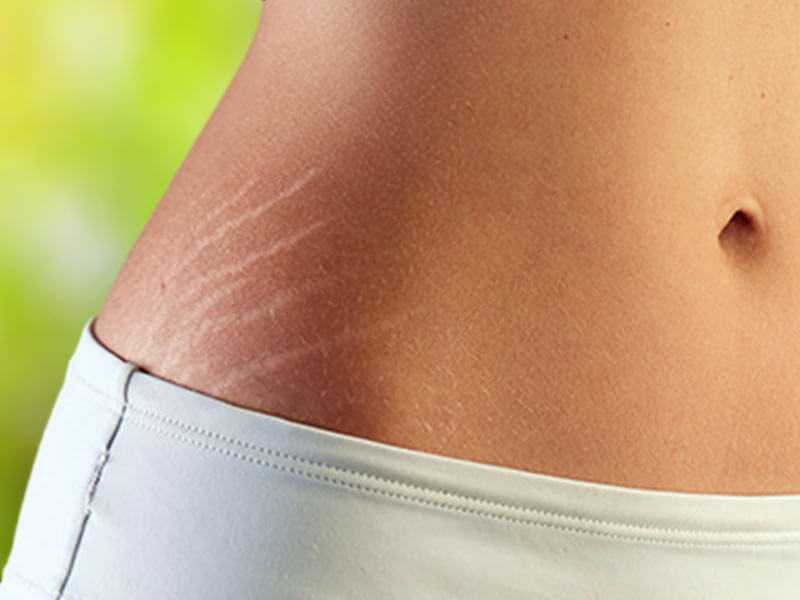

Stretch marks are linear changes that develop when the supporting structures within the middle layers of the skin are stretched or disrupted. They commonly occur during periods of rapid weight change, adolescence and pregnancy. Reduced skin elasticity and changes in collagen structure may also influence how visible they become.
Stretch marks may initially appear red, pink or purple and gradually become lighter or silvery-white over time. Hormonal changes, genetic predisposition and certain medical conditions may also contribute to their development.
They are commonly seen on areas such as the abdomen, hips, thighs, legs and breasts. Stretch marks may occur in both women and men, although pregnancy and hormonal changes can increase the likelihood of their formation in women.
Although stretch marks are generally harmless, some individuals may seek treatment because of aesthetic concerns.
Stretch Mark Treatment Methods
Several methods may be considered for reducing the appearance of stretch marks. The selected approach depends on their colour, age, depth, location and the individual’s skin type.
Laser Treatment
Laser treatment is one of the methods used for selected stretch marks. Ankara Laser centres may use different technologies according to whether the marks are recent and reddish or older and lighter in colour.
Certain fractional laser systems create controlled treatment zones in the skin and stimulate collagen remodelling. Several sessions may be required, and results vary from person to person.
Laser treatment does not guarantee complete removal. Temporary redness, swelling, sensitivity, peeling or pigmentation changes may occur after the procedure.
Microdermabrasion
Microdermabrasion gently exfoliates the outermost layer of the skin. It may improve mild surface irregularities and general skin texture.
However, stretch marks involve deeper structural changes in the skin, so the effect of microdermabrasion may be limited. It is generally considered a supportive rather than primary treatment for deeper stretch marks.
Chemical Peeling
Chemical peeling exfoliates selected layers of the skin in a controlled manner and may support surface renewal.
The type and strength of the peeling solution should be chosen according to the skin type and the characteristics of the stretch marks. Chemical peeling may cause temporary sensitivity, redness or pigmentation changes and should be performed carefully.
Skincare After Stretch Mark Treatment
Skincare after stretch mark treatment is important because the treated area may temporarily become dry, red or sensitive.
Keeping the skin moisturised may support the skin barrier and improve comfort during recovery. Fragrance-free and gentle moisturisers are generally preferred.
Products containing ingredients such as hyaluronic acid, glycerin, ceramides or panthenol may help maintain moisture. Topical collagen products may improve the feel of the skin but should not be expected to replace collagen in the deeper layers or remove stretch marks.
The skin should be treated gently after treatment. Scrubs, harsh brushes, exfoliating acids and irritating products may need to be paused for the period recommended by the specialist.
Adequate hydration and balanced nutrition support general skin health but do not replace professional treatment or guarantee faster removal of stretch marks.
The Effects of Sunlight on the Skin
Sunlight can affect the skin in several ways. Ultraviolet radiation contributes to premature ageing and may increase the risk of skin cancer over time.
Repeated sun exposure can damage collagen and elastin, contribute to dryness and cause pigmentation changes. These effects may be more noticeable when the skin has recently undergone laser, peeling, microneedling or another procedure.
Recently treated skin may be more sensitive to ultraviolet radiation. Sun exposure during this period can increase redness, irritation and the risk of uneven pigmentation.
Why Is Sun Protection Important After Stretch Mark Treatment?
Sun protection is generally recommended after stretch mark treatment, particularly when the procedure has caused redness, peeling or temporary disruption of the skin barrier.
Ultraviolet exposure may worsen sensitivity and increase the risk of darkening or uneven colour in the treated area. This is especially relevant after laser treatment, chemical peeling, microneedling and radiofrequency procedures.
Protecting the skin from sunlight supports a more controlled recovery process and helps reduce the risk of additional sun damage.
However, sun protection does not guarantee that treatment results will become permanent. The long-term appearance of stretch marks depends on factors such as skin structure, hormonal changes, weight fluctuations and the treatment method used.
Sun protection should be considered part of both post-treatment care and general skin health.
Sun-Protection Methods
Several measures may be used to protect treated skin from sunlight.
Sunscreen
A broad-spectrum sunscreen containing at least SPF 30 may be used on exposed treatment areas when the skin can tolerate application.
Sunscreen should be applied before going outdoors and reapplied according to the product instructions, particularly after sweating, swimming or prolonged exposure.
The exact timing of sunscreen use after a procedure should follow the treating specialist’s recommendations. Some freshly treated areas may initially require physical protection until topical products can be applied comfortably.
Protective Clothing
Clothing that covers the treated area provides useful physical protection. Wide-brimmed hats, sunglasses and tightly woven garments may help reduce direct ultraviolet exposure.
Light-coloured clothing may feel cooler, but protection depends more on the fabric’s density and coverage than on colour alone.
Shade and Timing
Remaining in shaded areas and limiting direct exposure during periods when ultraviolet radiation is strongest may provide additional protection.
The hours of strongest sunlight vary according to location, season and weather conditions, so ultraviolet index information may be more useful than relying only on fixed clock times.
Points to Consider During Recovery
Post-treatment instructions vary according to the procedure. General precautions may include:
-
Cleansing the treated area gently
-
Using moisturisers recommended by the specialist
-
Avoiding scratching, rubbing or peeling the skin manually
-
Pausing retinoids, exfoliating acids and abrasive products temporarily
-
Avoiding saunas, hot showers and intense exercise when advised
-
Limiting sun exposure
-
Attending scheduled follow-up appointments
Increasing pain, blistering, discharge, severe swelling or prolonged redness should be reported to the treating specialist.
In conclusion, sun protection is generally necessary after stretch mark treatment, especially when the skin is temporarily sensitive. Sunscreen, protective clothing and limiting direct sun exposure may support recovery and reduce the risk of pigmentation changes. The most appropriate precautions should be determined according to the treatment method and the condition of the skin.
 Call
Call
 Whatsapp