


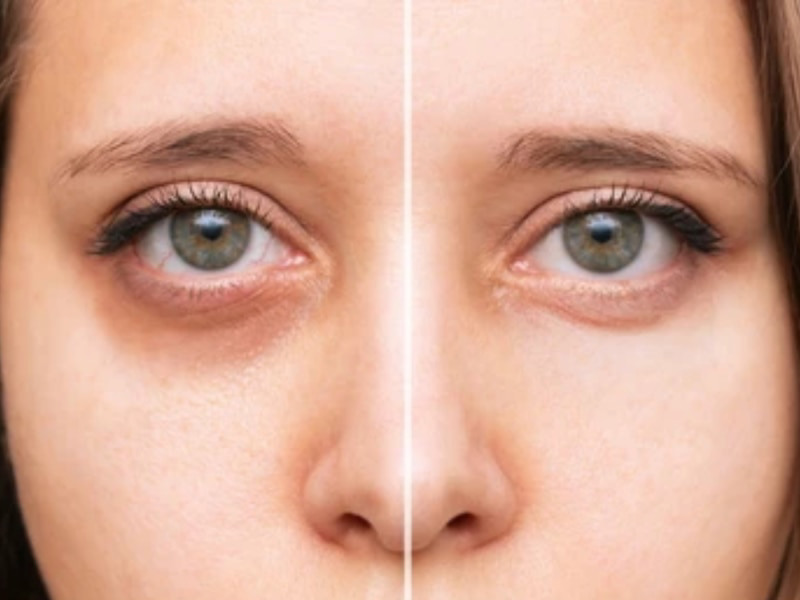

Under-eye brightening refers to cosmetic or medical treatments intended to reduce the appearance of dark circles and uneven colour around the eyes. Correct aftercare is particularly important because the skin in this area is thin and sensitive.
Sun protection may be necessary after laser treatment, chemical peeling or the use of selected pigment-regulating products. The required precautions depend on the treatment method and the condition of the skin.
What Is Under-Eye Brightening?
Under-eye brightening includes different methods intended to improve pigmentation or colour differences around the eyes. Possible approaches include laser or light-based procedures, carefully selected chemical peels and topical products.
Dark circles do not have a single cause. They may be related to:
-
Increased pigmentation
-
Visible blood vessels
-
Thin under-eye skin
-
Tear-trough shadowing
-
Loss of volume
-
Allergies
-
Frequent eye rubbing
-
Genetic characteristics
-
Age-related structural changes
A treatment that targets melanin may have a limited effect when the darkness is mainly caused by visible vessels, shadowing or loss of volume.
The goal is generally to reduce the appearance of darkness and create a more even-looking area. Complete or permanent removal cannot be guaranteed.
The timing and degree of improvement vary according to the underlying cause, treatment method, skin tone and individual response.
Skincare After Under-Eye Brightening
Post-treatment care should be selected according to the procedure performed.
A gentle moisturiser or soothing product may be recommended to support the skin barrier and reduce dryness or discomfort. Products should be applied carefully and should not enter the eyes.
Harsh cleansers, fragranced formulations, abrasive scrubs and strong active ingredients may need to be paused temporarily.
Make-up may also need to be avoided for a limited period, particularly when the skin is red, peeling or irritated. The practitioner should explain when it can be restarted safely.
Weekly peeling should not automatically be performed after under-eye treatment. The eye area is highly sensitive, and exfoliating acids or mechanical scrubs may cause burning, irritation and additional pigmentation.
Peeling products, retinoids and other active ingredients should only be restarted when the treating professional confirms that the skin has recovered adequately.
Why Is Sun Protection Important After Treatment?
Sun protection is generally recommended after under-eye brightening procedures.
Ultraviolet exposure may increase pigmentation and make colour differences more noticeable. Recently treated skin may also be more susceptible to irritation and post-inflammatory darkening.
This is particularly important after:
-
Laser treatment
-
Chemical peeling
-
Microneedling
-
Energy-based procedures
-
Prescription pigment-regulating treatments
Sun protection supports a more controlled recovery process. However, it cannot guarantee permanent results or prevent every recurrence of under-eye darkness.
The long-term appearance of the area may also be influenced by genetics, allergies, eye rubbing, ageing, skin thickness and anatomical shadowing.
How Should the Under-Eye Area Be Protected?
Sunscreen
A broad-spectrum sunscreen suitable for use around the eyes may be applied when the skin can tolerate it.
The product should not sting or migrate into the eyes. Fragrance-free or mineral-based formulations may be better tolerated by some individuals, although suitability varies.
The timing of sunscreen use after a procedure should follow the practitioner’s instructions.
Sunglasses
UV-protective sunglasses help reduce direct exposure around the eyes. Larger frames may offer broader coverage.
Hats and Shade
A wide-brimmed hat and remaining in shaded areas may provide additional physical protection.
Timing of Exposure
Direct sunlight should be limited when ultraviolet radiation is intense. The UV index may provide more useful guidance than relying only on fixed hours such as 10:00 to 16:00.
Under-Eye Brightening and Skin Sensitivity
The skin around the eyes is thinner than the skin on many other facial areas. It may therefore become irritated more easily after treatment.
Temporary reactions may include:
-
Redness
-
Dryness
-
Mild swelling
-
Sensitivity
-
Peeling
-
Burning or stinging
Fragrance-free and gently formulated products are generally preferred during recovery.
Natural or organic ingredients are not automatically safer. Plant extracts, essential oils and fragranced botanical products may cause irritation or allergic reactions around the eyes.
The practitioner should be contacted if there is marked swelling, worsening pain, blistering, discharge, visual disturbance or prolonged redness.
What Should Be Considered After Treatment?
The First 24–48 Hours
The skin may be especially sensitive during the early recovery period. Products that cause burning, peeling or irritation should be avoided.
The exact recovery period depends on whether laser treatment, peeling or another procedure was performed.
Moisturising
A suitable moisturiser may support the skin barrier and improve comfort. The product and frequency of use should be determined according to the procedure and skin response.
Sun Protection
Sun protection should be considered an important part of aftercare whenever the treated area is exposed.
Product Selection
Retinoids, strong acids, abrasive products and fragranced formulations may need to be paused.
Terms such as “chemical-free” or “natural” do not indicate that a product is safer. Selection should be based on formulation, tolerability and suitability for the eye area.
Make-Up
Make-up may need to be postponed until redness, peeling or sensitivity has decreased.
Products and applicators should be clean to reduce the risk of irritation or infection.
Follow-Up
Follow-up appointments allow the practitioner to assess recovery, identify complications and determine whether further treatment is appropriate.
Laser Under-Eye Brightening in Ankara
Ankara offers different procedures for pigmentation and other concerns involving the under-eye area. Ankara Laser applications should be selected according to the actual cause of the darkness.
Laser treatment may be considered when pigmentation or selected vascular features contribute to the appearance. However, it may not be suitable when dark circles are mainly caused by tear-trough shadowing, volume loss or very thin skin.
Different laser and light technologies act through different mechanisms. Some target pigment, while others target vascular structures or support skin remodelling.
Laser treatment near the eyes requires appropriate eye protection and should only be performed by legally authorised and suitably trained healthcare professionals.
It should not be assumed that every laser procedure is minimally invasive or associated with rapid recovery.
Possible reactions include:
-
Redness
-
Swelling
-
Sensitivity
-
Crusting
-
Irritation
-
Temporary darkening
-
Uneven lightening
-
Burns
-
Scarring in uncommon cases
Individuals with darker skin tones may have a greater risk of post-inflammatory pigmentation after certain laser procedures. Conservative and personalised treatment planning is therefore important.
When Should Treatment Be Postponed?
Treatment may need to be delayed when there is:
-
Active eye or skin infection
-
Open wounds
-
Significant irritation
-
Recent tanning or sunburn
-
Uncontrolled eczema
-
Severe allergic inflammation
-
Pregnancy or breastfeeding, depending on the procedure
-
Medication use that increases sensitivity to light
-
An unexplained change in vision or eye health
Medical history, allergies, current skincare products and previous reactions should be reviewed before treatment.
Maintaining the Results
Consistent sun protection and gentle skincare may help reduce additional pigmentation and irritation.
Managing allergies and avoiding frequent eye rubbing may also be useful when these factors contribute to dark circles.
Adequate sleep and general health habits may affect a tired-looking appearance, but they cannot correct structural causes such as deep tear troughs, thin skin or volume loss.
Maintenance treatment may be required for some individuals. The need and timing should be determined through professional assessment rather than a fixed schedule.
Frequently Asked Questions
Is Sun Protection Required After Every Procedure?
Sun protection is generally recommended, particularly after procedures that increase sensitivity or temporarily disrupt the skin barrier.
The exact duration and products should be determined according to the treatment.
Can Sunscreen Be Applied Immediately?
Not always. Freshly treated or irritated skin may initially require physical protection until topical products can be applied comfortably.
The practitioner’s instructions should be followed.
Do Dark Circles Return Without Sunscreen?
Sun exposure may worsen pigmentation-related dark circles, but not every recurrence is caused by ultraviolet radiation.
Genetic characteristics, vascular visibility, allergies, ageing and anatomical shadowing may also influence appearance.
Can Weekly Peeling Maintain the Results?
Routine weekly peeling is not appropriate for everyone and may irritate the under-eye area.
Exfoliation should only be restarted after professional approval and should use products suitable for this sensitive region.
Are Natural Products Better After Treatment?
No. Natural products may still contain allergens, fragrances or irritating substances.
Simple, gently formulated and eye-area-compatible products are generally more appropriate during recovery.
In conclusion, sun protection is generally necessary after under-eye brightening treatment, particularly following laser, chemical peeling or other procedures that increase skin sensitivity. Sunscreen suitable for the eye area, UV-protective sunglasses, hats and shade may help protect the skin. The aftercare plan should be based on the procedure performed, the cause of the dark circles and the individual skin response.
 Call
Call
 Whatsapp