


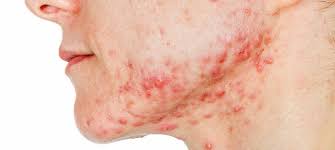

Is Sunscreen Good for Acne?
Sunscreen is an indispensable part of the daily care routine to protect skin health. However, there may be some questions about how it works on acne-prone skin.
Sunscreen and Skin Health
Sunscreens protect the skin from harmful UV rays and reduce the risk of premature aging, skin spots and skin cancer. Especially on acne-prone skin, sunscreen use is very important in preventing spots that may occur due to the effect of the sun.
Is Sunscreen Good for Acne?
Sunscreen does not have a direct healing effect on acne. However, when the right product is chosen, it can reduce skin sensitivity and prevent spots from forming without worsening the acne problem. Protecting the skin can also prevent acne scars from becoming more visible.
Wrong Product Choice Can Worsen Acne
Wrong sunscreen choice can increase acne. Products with oily or comedogenic (pore-clogging) ingredients in particular can cause problems on acne-prone skin. Therefore, sunscreens that are marked as “non-comedogenic” and “oil-free” should be preferred.
What to Consider When Using Sunscreen?
Choosing the Right Product for Your Skin Type: For oily and acne-prone skin, water-based, light formulas should be preferred.
Regular Cleaning: Sunscreen should definitely be cleaned at the end of the day. Products left on the skin can clog pores and cause acne.
Frequency of Application: Sunscreen should be renewed every 2-3 hours. However, it is important to cleanse the skin properly before this procedure.
Conclusion
Although sunscreen does not provide direct acne treatment, it can provide indirect benefits by protecting skin health. Choosing the right product and ensuring regular use both protects your skin from the harmful effects of the sun and prevents acne problems from worsening. If you observe an increasing acne problem on your skin due to sunscreen use, it would be best to consult your dermatologist.
 Call
Call
 Whatsapp