


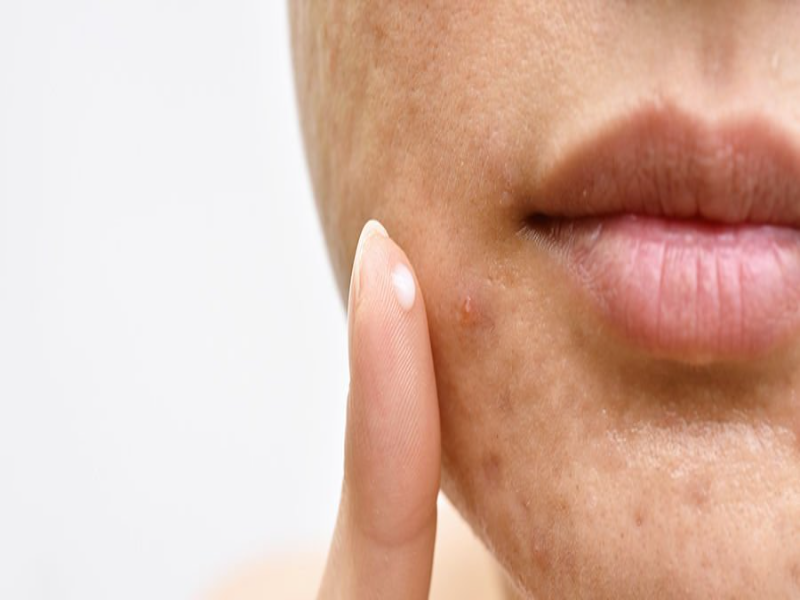

Scar Treatment includes different approaches intended to reduce the visible appearance, thickness, color, texture, or functional effects of scars rather than guarantee their complete removal. Scars are a natural part of wound healing, although some can become raised, depressed, tight, discolored, or otherwise cosmetically concerning.
The main goal is usually to improve the scar's appearance or symptoms rather than restore the skin completely to its pre-injury condition. Treatment planning considers the type, location, maturity, color, thickness, symptoms, and age of the scar. Selected Ankara Laser procedures may form part of this plan, but technology alone does not determine treatment success.
Accurate assessment and an individualized approach are therefore important. Skin type, the original injury or surgery, healing history, tendency to form hypertrophic or keloid scars, previous treatments, and current symptoms can all influence the treatment plan.
Definition of New and Old Scars
New scars are generally scars that are still undergoing active maturation after a wound has closed. They may appear red or pink, feel firm, or change gradually over time. Early management can sometimes influence scar maturation, but the appropriate intervention depends on the type of scar and stage of wound healing.
Older scars are scars that have undergone a longer period of maturation. Some may become lighter and flatter, while others may remain raised, depressed, tight, pigmented, painful, or symptomatic. Older scars are not automatically more difficult to treat, although established structural changes can sometimes require different approaches.
The difference between new and old scars can influence treatment, but scar type is often just as important as scar age. A new keloid, an old surgical scar, an atrophic scar, and a contracture require very different strategies. Significant improvement may be possible in selected cases, but complete removal cannot be guaranteed.
Scar Treatment Approaches for New Scars
Early scar care often focuses on supporting normal wound healing and preventing avoidable irritation. Once a wound has appropriately closed, selected measures such as moisturization, sun protection, pressure therapy, or silicone-based products may be considered depending on the scar type and clinical recommendation.
Laser treatment may also be considered relatively early for selected scars, particularly when redness, vascularity, thickness, or texture is a concern. However, Ankara Laser procedures are not automatically required for every new scar, and timing should be based on wound healing, scar characteristics, and professional evaluation.
Superficial treatments such as selected peels or microdermabrasion have limited roles in many true structural scars. They should not be assumed to rapidly fade a new scar, and they may be inappropriate if the skin has not fully healed.
Scar Treatment Approaches for Older Scars
Older scars may require different management depending on whether they are raised, depressed, tethered, pigmented, symptomatic, or functionally restrictive. Laser treatment is one possible option for selected mature scars, but it is not universally the most effective method.
Chemical peeling may help with certain superficial pigment or texture concerns, but it does not address every type of mature scar. Deep, raised, or tethered scars may require other approaches, such as injections, surgical revision, subcision, microneedling, laser, or combination treatment.
Microneedling may be considered for selected atrophic scars and textural irregularities. It works through controlled micro-injury and a subsequent remodeling response. Results vary according to scar type and should not be described as natural or guaranteed healing.
Methods Used in Scar Treatment
Methods used in scar treatment vary according to scar characteristics. Laser Treatment can target selected vascular, pigment, textural, or collagen-related features depending on the device used. Its effectiveness differs between scar types and skin phototypes.
Dermabrasion mechanically resurfaces the skin and may be considered for selected scars. It is a more intensive procedure than microdermabrasion and is not simply a routine multi-session treatment for all deep scars. Patient selection and recovery requirements are important.
Chemical peeling uses controlled chemical exfoliation at different depths. It may help selected superficial color or texture changes, but established deep structural scars may require other techniques. Repeated treatment does not guarantee a marked result.
What Should Be Considered During Scar Treatment?
Professional assessment is important before beginning scar treatment. Incorrect treatment selection or overly aggressive treatment may worsen pigmentation, irritation, texture, or even scar appearance in some individuals.
Skin care should generally be adapted to the treatment being performed. Moisturization and sun protection may support the skin barrier and reduce ultraviolet-related color changes. However, sunscreen does not guarantee that a scar will not darken, and aftercare should be individualized.
Patience is also important because scar remodeling can continue over many months. Some interventions require time before the final degree of improvement can be assessed. Regular treatment does not guarantee a healthier-looking skin surface or major scar reduction in every case.
Differences in the Treatment Process for New and Old Scars
The main difference is that newer scars may still be actively remodeling, while older scars have usually undergone more maturation. This can influence timing and treatment goals. However, newer scars are not automatically superficial and older scars do not automatically require aggressive treatment.
Some newer scars may be managed initially with conservative measures such as silicone-based therapy, sun protection, pressure treatment, or observation when appropriate. Older scars may benefit from laser, injections, microneedling, subcision, surgery, or other methods depending on their specific structure.
In both situations, treatment requires realistic expectations and an individualized plan. The most appropriate strategy depends on the scar's type and characteristics rather than simply whether it is new or old. With appropriate treatment, visible improvement may be possible, but complete removal cannot be guaranteed.
 Call
Call
 Whatsapp