



Is There a Cancer Risk with Laser Hair Removal?
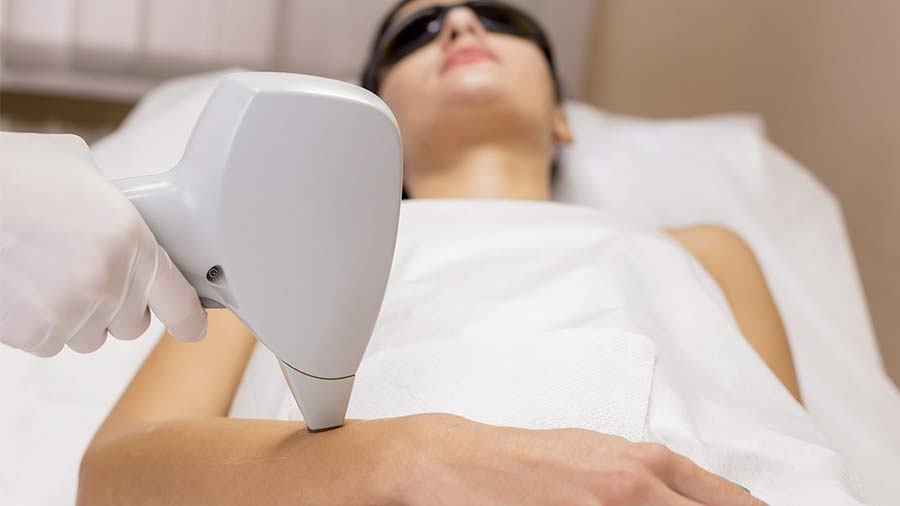
Laser hair removal is a method used to permanently remove unwanted hair from the body. In this process, high-energy beams focus on the pigment of the hair and prevent hair growth by damaging the roots. Laser hair removal is a frequently preferred method, especially in sensitive areas such as the face, legs, arms and bikini area.
Laser hair removal usually requires several sessions. In each session, the hair is removed from the root and as a result, thinner and weaker hair begins to form. Over time, hair growth stops completely and smooth skin is achieved.
The success of laser hair removal may vary depending on the person's skin type, hair color and hair structure. When applied by a professional aesthetician, laser hair removal is considered a safe and effective method.
Advantages and Disadvantages of Laser Hair Removal
Advantages:
Permanent Results: Laser hair removal permanently prevents hair growth by targeting the roots of the hair. In this way, smooth skin can be achieved for a long time.
Fast and Effective: Laser beam quickly targets the hairs and completes the process in a short time. It is faster and more effective compared to traditional methods.
Can be Used in Sensitive Areas: Laser epilation can also be safely applied in sensitive areas such as the face, bikini area and armpits.
Painless Experience: Laser epilation offers a less painful experience than traditional methods. A more comfortable procedure is performed especially in sensitive areas.
Disadvantages:
High Cost: Laser epilation may be more costly compared to other methods. The total cost may increase, especially since it requires a large number of sessions.
Skin Sensitivity: Laser beams may cause unwanted effects such as irritation and burning on sensitive skin. Therefore, it is important to choose the laser device suitable for the skin type.
Side Effects: During laser epilation, side effects such as temporary redness, swelling or itching may be observed. However, these effects usually pass in a short time.
Number of Sessions: A number of sessions are required, which varies from person to person, but usually between 6-8 sessions. This can be a disadvantage in terms of time and cost.
Laser Epilation and Cancer Relationship
Concerns about the cancer risk of laser epilation have been a topic of debate for many years. However, extensive research conducted today shows that laser epilation does not increase the risk of cancer.
Laser beams prevent hair growth by focusing on the hair roots. During this process, the light energy applied to the skin surface damages the pigment of the hair roots. Some experts have expressed concern that this pigment damage may cause skin cancer.
However, studies have shown that laser epilation does not increase the risk of skin cancer. In fact, some studies indicate that laser epilation may have a protective effect against skin cancer. Because laser beams can prevent cancer development by reducing DNA damage in skin cells.
In addition, it is important for safety that laser epilation procedures are performed by experienced and certified aestheticians. Taking appropriate safety precautions ensures that laser epilation is a safe method.
Laser Hair Removal Safety and Precautions
Although laser hair removal is considered a safe method, it is important to take some precautions:
Experience of the Practitioner: It is critical for safety that the laser hair removal procedure is performed by an experienced and certified aesthetician.
Skin Assessment: Before laser hair removal, skin type, color and sensitivity should be evaluated. The appropriate laser device and settings should be selected.
Protective Equipment: Eye protection glasses should be used during laser hair removal. In addition, cooling systems or cold gels can be applied depending on skin sensitivity.
Session Frequency: Laser hair removal procedures are usually repeated at intervals of 4-8 weeks. In this way, excessive load on the skin is prevented.
Health Status Control: Before laser hair removal, the patient's health status and medication use should be evaluated. Some health problems or drug interactions may affect the laser hair removal procedure.
Sunlight Protection: After laser hair removal, the skin may become sensitive to sunlight. Therefore, sunscreen products should be used and sunlight should be avoided.
Taking all these precautions ensures that laser hair removal is applied safely. Laser hair removal performed by a professional aesthetician largely eliminates concerns such as cancer risk.
To learn more about laser hair removal and have it applied safely, contact an experienced aesthetician. Your health is our top priority.
 Call
Call
 Whatsapp