



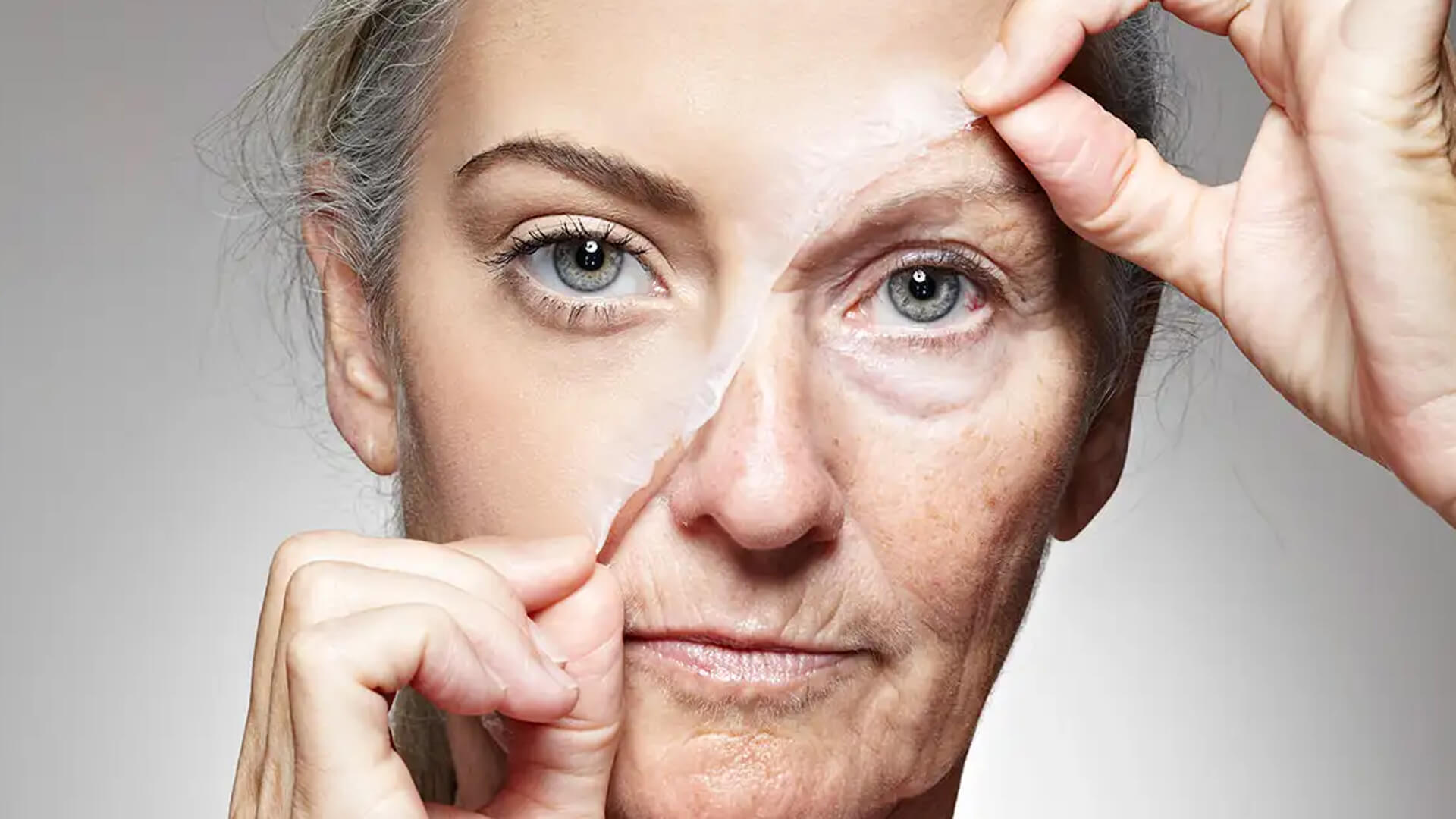
Deep wrinkles can negatively affect a person's appearance, causing them to appear old and tired. This can lead to a decrease in the individual's self-confidence and self-confidence. In addition, deep wrinkles can negatively affect skin health by reducing the elasticity and flexibility of the skin. This can pave the way for skin problems and the development of more serious skin problems.
Wrinkle Prevention Methods
Various precautions can be taken to prevent the formation of deep wrinkles. Steps such as regular use of sunscreen products, avoiding smoking, managing stress, a balanced and healthy diet, consuming enough water and doing regular exercise can delay or reduce the formation of wrinkles. In addition, regular use of products that moisturize and plump the skin can also slow down the progression of wrinkles.
Plastic Surgery Options
There are also cosmetic surgery options in the treatment of deep wrinkles. Procedures such as facelift, eyelid correction, fillers and botulinum toxin applications can be effective in eliminating wrinkles. However, it should be known that such surgical interventions involve risks and are not permanent. In addition, cosmetic surgery applications can also affect people's budgets. The Most Effective Treatments for Deep Wrinkles
The most effective methods for treating deep wrinkles include laser treatments, chemical peeling procedures, and radiofrequency treatments. These methods can renew the skin and reduce wrinkles. However, it should be kept in mind that these treatments also carry risks and may yield different results depending on the skin type of the person.
Wrinkle Filler and Botulinum toxin
Wrinkle fillers and Botulinum toxin applications are frequently used methods in the treatment of deep wrinkles. These applications can plump the skin, reduce wrinkles, and regulate facial features. However, it should be remembered that these treatments have temporary effects and require regular repetitions.
Contact a specialist dermatology clinic to address your concerns about your deep wrinkles and learn about the most appropriate treatment options. They will determine the most appropriate treatment method for you and provide a personalized care plan.
Is there a definitive solution for deep wrinkles?
Free Information,
Consultation and Appointment Request
 Call
Call
 Whatsapp