


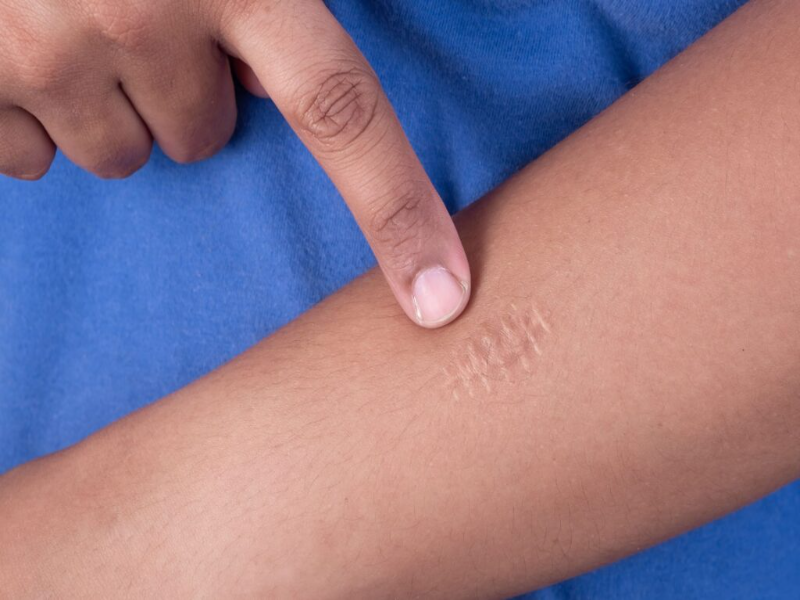

Cut scar treatment is a process applied to reduce or completely eliminate scars caused by cuts on the skin. This treatment generally aims to accelerate the skin’s natural healing process and minimise the appearance of scars. The visibility of such scars can be a significant concern, particularly for people with aesthetic concerns.
Treatment methods vary depending on the type and depth of the wound and the person’s skin type. While some scars can be easily removed with superficial treatments, more advanced techniques may be required for deeper or older scars. Cut scar treatment plays an important role in improving the patient’s quality of life and restoring their self-confidence.
Today, many different cut scar treatment methods are available, and these methods approach new and old scars in different ways. In this article, we will discuss these differences in detail and examine which treatment methods are effective for different types of scars.
Differences Between New and Old Scars
There are noticeable differences between new and old scars. New scars are generally redder and more prominent, while old scars may fade and become closer to the natural skin colour over time. Because the skin is still in the healing process, new scars may respond more quickly to treatment.
Old scars may be more difficult to treat because the skin has completed its healing process. These scars may generally have become thicker and harder, making the treatment process more complex. Different strategies should be applied in scar, wound scar, and stretch mark treatments depending on whether the scars are old or new.
New scars can generally be treated with less invasive methods, while older scars may require more complex and intensive treatment methods. Therefore, timing and the selection of an appropriate method are highly important when treating scars.
Methods Used in Cut Scar Treatment
The methods used in cut scar treatment consist of various techniques offered by modern medicine. These include surgical procedures, laser treatments, chemical peels, and dermabrasion. The selected method varies according to the type of scar and the person’s skin type.
Laser Treatment: Laser treatment can lighten the colour of scars and improve their texture without damaging the skin surface. This method, which is particularly effective for new scars, provides results within a short period and has minimal side effects.
Chemical Peeling: Chemical peeling removes the upper layer of the skin and encourages the formation of new and healthy skin. This method may be effective for superficial scars and improves the overall appearance of the skin.
Dermabrasion: This method mechanically abrades the upper layer of the skin to reduce the appearance of scars. Preferred for deeper scars, this method initiates a renewal process in the skin.
The method selected from among these options is determined according to the characteristics of the scars and the patient’s expectations. Each method has its own advantages and disadvantages. Therefore, making a decision under the guidance of a specialist dermatologist or plastic surgeon would be the most appropriate approach.
The Importance of Scar, Wound Scar, and Stretch Mark Treatments
Scar, wound scar, and stretch mark treatments have a significant effect on individuals’ physical and psychological health. The appearance of scars may directly affect a person’s self-confidence and cause a lack of confidence in social life. Therefore, wound scar and stretch mark treatments are not only aesthetic procedures but also part of the psychological recovery process.
The importance of these treatments is not limited to improving appearance. They are also critically important for restoring the integrity and health of the skin, reducing the risk of infection, and relieving discomfort in the skin. For this reason, centres offering advanced treatment methods such as Ankara Lazer continuously develop new techniques to increase patient satisfaction.
In conclusion, scar, wound scar, and stretch mark treatments contribute to the physical and emotional recovery of individuals. Having these treatments performed in a professional environment by experienced specialists helps achieve the best results.
Differences Between Laser Treatment and Cut Scar Treatment
Laser treatment is a frequently preferred method in cut scar treatment and generally provides fast and effective results. Laser treatment lightens the colour of scars and improves their texture without damaging the skin surface. This method, which is particularly effective for new scars, provides results within a short period and has minimal side effects.
On the other hand, cut scar treatment includes a wider range of methods. Techniques such as surgical procedures, dermabrasion, and chemical peeling may be used as alternatives to laser treatment. These methods are particularly preferred for deeper and older scars. Both laser treatment and other treatment methods provide different advantages depending on the type of scar and the structure of the skin.
The main difference between laser treatment and other cut scar treatments is the method of application and the duration of treatment. While laser treatment generally provides a faster recovery process, other methods may require more extensive treatment. Therefore, a specialist doctor should determine which method is more suitable.
Points to Consider During Cut Scar Treatment
There are several important points to consider during the cut scar treatment process. First, a detailed assessment should be performed by a dermatologist or plastic surgeon before beginning treatment. This assessment allows the most appropriate treatment method to be selected according to the type of scar, the sensitivity of the skin, and the patient’s expectations.
Certain precautions should be taken to protect skin health during the treatment process. For example, direct sunlight should be avoided after treatment, and the skin should be moisturised regularly. In addition, care should be taken to ensure that the products used during treatment are natural and skin-friendly.
Finally, it is important to be patient throughout the treatment process. It may take time for scars to disappear completely, and regular follow-up examinations should be conducted during this period. Following a specialist’s recommendations will help achieve the best results.
 Call
Call
 Whatsapp