


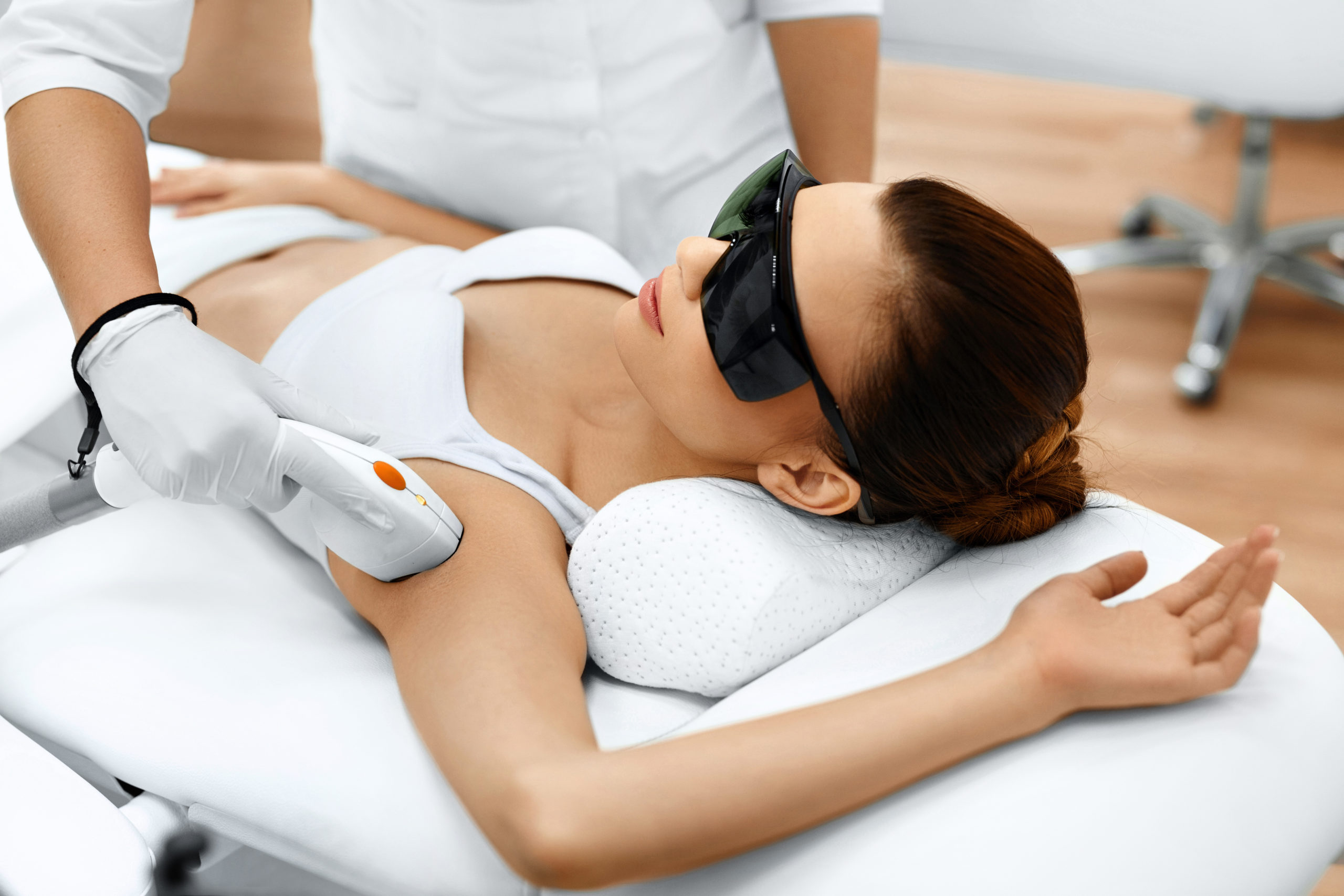

Laser hair removal offers an effective solution especially in hard-to-reach areas such as the face, legs, underarms and bikini area. During the procedure, light beams are directed to the hair follicles and a permanent result is achieved by preventing hair growth.
Laser hair removal provides longer-lasting results compared to traditional methods such as hair removal creams, tweezing or waxing. For this reason, it has become a preferred method by many people.
Benefits of Laser Hair Removal
Laser hair removal offers many advantages:
Permanent Results: The laser targets the hair follicles and destroys them so that the hair does not grow back. This provides cleaner and smoother skin in the long term.
Time Saving: Compared to traditional methods, laser hair removal is faster and more effective. It is possible to treat a large area in a single session.
Use in Sensitive Areas: Laser can also be used safely in sensitive areas such as the face, bikini area and underarms.
Painless Application: Laser hair removal is less painful than traditional methods. Modern devices offer a more comfortable experience during the procedure.
Reliability: Laser hair removal is a clinically proven method that is regularly used by experts.
Side Effects of Laser Hair Removal
Although laser hair removal is generally a safe procedure, some side effects may occur:
Temporary Redness and Swelling: During and after the procedure, mild redness and swelling may occur in the treated area. This usually goes away within a few hours.
Sensitivity: Some people may feel temporary sensitivity in the treated area. This goes away within a few days.
Pigmentation Changes: Rarely, temporary color changes may occur in the treated area. This usually resolves in a short time.
Infection: If proper hygiene measures are not taken, there is a risk of infection in the treated area. This situation should be treated under the supervision of a doctor.
Burn: Incorrectly adjusted devices or application errors can cause mild burns in the treated area. This is rarely seen in procedures performed by an experienced specialist.
Is There Any Harm from Laser Hair Removal?
Laser hair removal is generally a safe method and serious harm is rarely seen. However, there are potential risks in some cases:
Skin Type and Color: In people with darker skin tones, laser light is absorbed more by melanin, which can cause side effects. Therefore, skin type and color should be carefully evaluated.
Medical Conditions: Certain medical conditions can affect the safety of laser hair removal. For example, people taking photosensitizers may be more sensitive to laser light.
Errors During Application: Laser hair removal should be performed by experienced professionals. Improperly adjusted devices or incorrect application can cause skin damage.
Overuse: Laser hair removal should be performed according to the manufacturer's instructions. Overuse can cause skin damage.
In general, laser hair removal is a safe procedure and serious damage is rare. However, each individual's skin type, medical condition, and factors during the procedure should be carefully evaluated. Procedures performed by an experienced professional provide the safest results.
Laser Hair Removal Safety
Laser hair removal is a safe procedure when performed correctly. For a safe laser hair removal experience, the following points should be taken into consideration:
Experienced Specialist: The procedure should be performed by an experienced and certified specialist dermatologist or aesthetician.
Personalized Treatment: Skin type, color and medical history should be carefully evaluated. The treatment should be adjusted according to each person's characteristics.
Safety Precautions: During the procedure, eye protection glasses should be used and skin cooling techniques should be applied.
Follow-up Checks: After the treatment, skin reactions should be closely monitored and additional precautions should be taken if necessary.
Proper Device Use: Laser devices should be calibrated regularly and used in accordance with the manufacturer's instructions.
Compliance with Hygiene Rules: Before and after the procedure, sterilization and hygiene rules should be followed meticulously.
 Call
Call
 Whatsapp