



Each hair removal method comes with its own advantages and disadvantages. For example, waxing creates a short-term feeling of pain, while the laser method provides more permanent results. To determine which method is more suitable for you, it is recommended that you consult with a qualified esthetician or doctor.
What is Itching After Epilation?
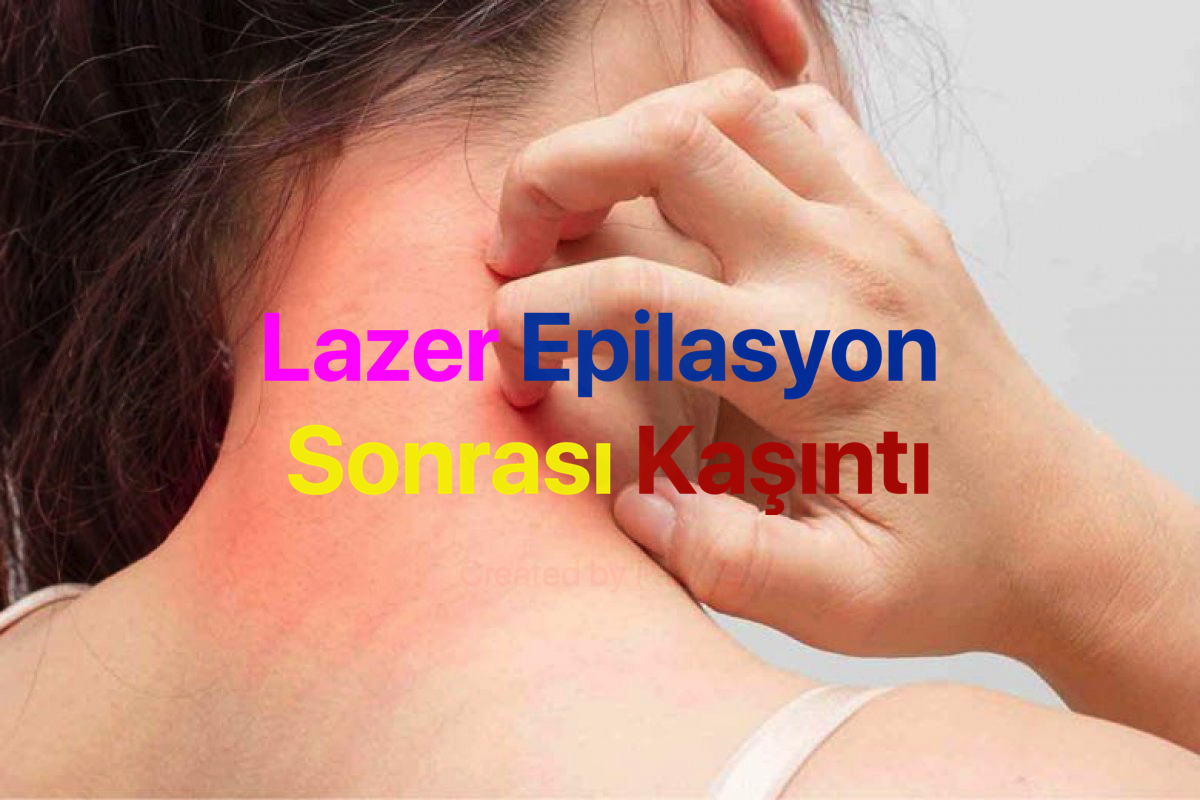
Itching after epilation is a common condition after the procedure. It is manifested by itching, red and irritated skin. This condition is usually temporary and resolves spontaneously within a few days.
Itching can be considered as a reaction of the skin to the epilation process. Removing hair follicles may cause slight irritation to the skin, which may cause itching. Additionally, the products used during the procedure may also trigger itching.
Causes of Itching After Epilation
Itching after epilation can have various causes:
1. Skin Irritation: Epilation may cause minor wounds and irritation on the skin. This may cause itching.
2. Ingrown Hair: After epilation, as the hair starts to grow again, itching may be felt on the skin.
3. Allergic Reaction: Some people may have an allergic reaction to the products used during epilation. This may cause itching.
4. Infection: If proper hygiene conditions are not followed, infection may develop in the epilation area. Infection can bring on other symptoms besides itching.
5. Sensitive Skin: Some people's skin may react more sensitively to the epilation process. In this case, itching may be felt more intensely.
Whatever the cause of the itching, this is a temporary problem and usually resolves itself within a few days.
How to Prevent Itching After Epilation?
To prevent itching after epilation, you can follow the steps below:
6. Appropriate Product Selection: Make sure that the products used in the epilation process are suitable for your sensitive skin. Stay away from substances that may cause an allergic reaction.
7. Follow Hygiene Rules: Clean the area thoroughly before and after epilation. Use sterile instruments to reduce the risk of infection.
8. Cold Application: You can reduce itching by applying cold to the area after epilation. Ice cubes or cold compresses can be effective.
9. Use Moisturizers: Keeping skin moist can help reduce itching. Choose special moisturizers for sensitive skin.
10. Reduce Stress: Stress can trigger itching. Reduce your stress level with methods such as relaxation exercises, meditation or yoga.
11. Avoid Taking Hot Showers: Hot water can increase itching. Use warm water instead.
12. Apply Soothing Creams: Supporting the skin with soothing and soothing creams can reduce itching.
To prevent itching after epilation, it is important to pay attention to your personal care and consider your skin sensitivity.
Methods That Are Good for Itching After Epilation
You can try various methods to deal with itching after epilation:
13. Aloe Vera Gel: Aloe vera is a natural soothing and moisturizing agent. You can reduce itching by applying it to the epilation area.
14. Eucalyptus Oil: Eucalyptus oil has antiseptic and analgesic properties. It can be used to relieve itching.
15. Coconut Oil: Coconut oil can relieve itching with its moisturizing and soothing effects.
16. Almond Oil: Almond oil softens the skin and soothes irritated areas.
17. Cold Compress: Ice cubes or cold compresses can be effective in reducing itching.
18. Antihistamines: Mild antihistamine medications can relieve itching, as recommended by your doctor.
19. Moisturizers: Creams that moisturize and soften the skin can help reduce itching.
You can try these methods depending on the severity of itching and your personal preferences. If your complaints persist, be sure to consult a doctor.
Things to Consider Against Itching After Epilation
When dealing with itching after epilation, it is important to pay attention to the following points:
20. Avoid Rubbing the Area: Rubbing the itchy area can cause further irritation and itching.
21. Avoid Taking Hot Showers: Hot water can increase itching. Use warm water instead.
22. Stay Away from Perfumed Products: Products containing perfume may cause more irritation on sensitive skin.
23. Avoid Scratching with Nails: Scratching with nails can increase the risk of infection and further irritate the skin.
24. Avoid Excessive Sunlight: Sunlight can increase itching. Limit sun exposure and use protective creams.
25. Pay Attention to Stress Management: Stress can trigger itching. Reduce stress by practicing relaxation techniques.
26. Consult a Doctor: If itching persists or becomes severe, be sure to consult a doctor. An expert opinion will help determine the correct treatment.
To deal with itching after epilation, your skin health
Itching After Epilation
Free Information,
Consultation and Appointment Request
 Call
Call
 Whatsapp