


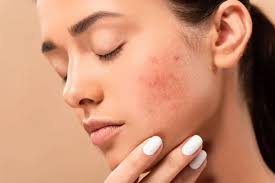

Why Do Skin Reactions Occur After Waxing?
During the waxing process, the dead cells on the upper layer are also removed along with the hair on the skin surface. This can weaken the skin's natural protective barrier. Especially in people with sensitive skin types, symptoms such as itching, redness or acne may be observed after the procedure. These reactions are usually temporary, but can last a long time if the right care is not applied.
The Most Common Causes of Itching
The most common cause of itching is dryness and irritation on the skin. In addition, some people may be allergic to the materials used in waxing. In particular, menthol, perfume or chemical residues in the waxing cloth can cause a reaction on the skin. If itching lasts more than a few hours and becomes severe, it may mean that a reaction has developed on the skin.
Factors That Trigger Acne Formation
After waxing, the skin pores become open. In this case, the pores can easily become clogged due to reasons such as sweat, dirt, cosmetic product residues or touching. When clogged pores come into contact with bacteria, acne formation becomes inevitable. Especially sensitive areas such as the armpits, genital area and face are more prone to this condition.
Precautions That Can Be Taken at Home
Applying a cold compress after waxing both reduces itching and helps to calm the redness. It is also recommended to apply perfume-free, soothing creams to the skin. Products containing aloe vera, calendula and panthenol are very effective during this period. If itching is severe, antihistamine cream can be used, but a specialist should definitely be consulted.
Does Clothing Choice Affect Itching?
Yes. Tight, friction, synthetic clothing irritates the skin even more and can increase itching. Cotton, loose clothing should be preferred, especially on the day of waxing. When the skin breathes, both the healing process accelerates and acne formation decreases.
When Should Specialist Help Be Seek?
If itching lasts longer than 24 hours, blisters or widespread acne are observed on the skin, a dermatological evaluation is required. Such situations may be a sign of infection or skin allergy. If necessary, the specialist can start a treatment appropriate for the skin type.
Skin reactions after waxing are not seen with the same severity in every woman. However, with simple precautions, skin health can be protected and it is possible to go through this process much more comfortably.
 Call
Call
 Whatsapp