


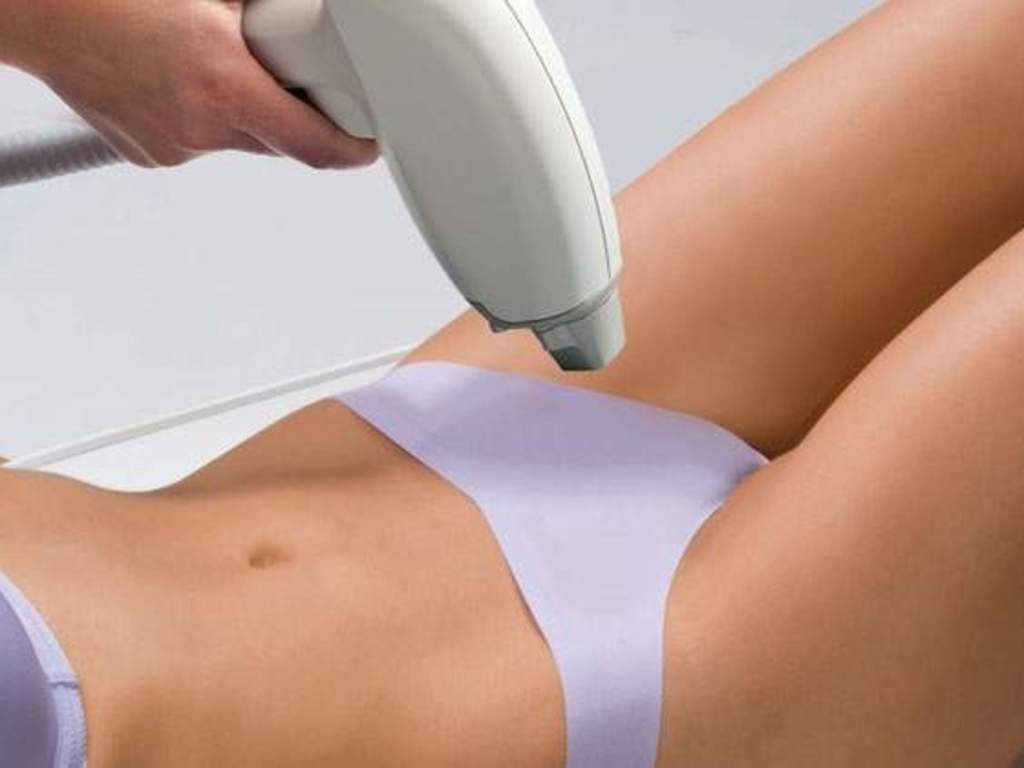

Intimate area laser hair removal is a method that aims to permanently reduce unwanted hair in the genital area, one of the most sensitive areas of the body. Using laser technology, the hair follicles are effectively targeted and weakened, helping prevent hair growth. This method works by sending high-energy laser beams to the hair follicles, targeting them without damaging the skin surface.
Laser hair removal is preferred by many people as an alternative to time-consuming and troublesome hair removal methods. It offers a long-term solution especially for those who do not want to deal with regular waxing or shaving. In addition, the hygienic nature of laser hair removal and its ability to minimize problems such as ingrown hairs are among the reasons why it is preferred.
For those considering laser hair removal in the genital area, one of the most important issues is whether this procedure is safe. Laser hair removal is a safe method when applied correctly. However, the procedure must be performed by an experienced and certified specialist. Choosing laser devices suitable for the skin type and hair structure also directly affects the success rate.
Key Factors Affecting Intimate Area Laser Hair Removal Prices
There are many factors that affect intimate area laser hair removal prices. First of all, the city and region where the clinic or center performing the laser hair removal procedure is located play an important role in pricing. Prices are generally higher in clinics located in large cities. The reason for this is that living costs and demand are higher in cities.
The second important factor is the person’s skin and hair structure. Since each individual’s skin type and hair density are different, the number and duration of sessions may vary from person to person. Dark-colored and thick hair usually responds faster, while lighter-colored and finer hair may require more sessions. This is one of the factors that affects the total cost.
Finally, the laser technology to be used also affects prices. Different laser types, such as Alexandrite, Nd:YAG, and Diode, may lead to different costs. To achieve the best results, it is important to choose the laser type most suitable for the skin and hair structure. The package options offered by clinics may also affect prices. Therefore, comparing the options offered by different clinics is always the most reasonable approach.
Advantages and Disadvantages of Laser Hair Removal
One of the biggest advantages of laser hair removal is that it can offer long-lasting results. Compared to traditional hair removal methods, laser hair removal requires less time and effort in the long term. Complete removal of hair usually requires several sessions, but the results are long-lasting. This is a major advantage especially for individuals with a busy lifestyle.
In addition, another benefit of laser hair removal for the skin is that it reduces ingrown hair problems. Ingrown hairs caused by methods such as waxing or shaving can lead to irritation and inflammation on the skin. Since laser hair removal targets the hair follicles, it helps prevent such problems and supports a smoother skin appearance.
However, laser hair removal also has some disadvantages. First of all, the cost of the procedure may be higher compared to other methods. In addition, depending on skin sensitivity, some people may experience redness or a mild burning sensation. Although such side effects are usually temporary, it should be remembered that laser hair removal may not be suitable for every skin type. For this reason, a skin type evaluation before the procedure is recommended.
Application Processes and Session Frequency
For laser hair removal to be applied successfully, a specific session plan must be followed. In intimate area laser hair removal, a treatment process of generally 6 to 8 sessions is expected. However, this number may increase or decrease depending on the person’s skin and hair structure. It is necessary to wait for a certain period between sessions; this interval usually varies between 4 and 6 weeks.
Each session takes approximately 15 to 30 minutes, and during this time, the laser device targets the hair follicles by sending laser beams to the skin surface. Mild redness may be seen on the skin after the procedure, but this usually disappears within a short time. Between sessions, the skin is allowed to rest and renew itself.
When planning sessions, it is important to create a personalized program according to skin type and hair structure. In this way, the most effective results can be achieved. Getting information from specialists about what should be considered before and after laser hair removal is necessary to gain maximum benefit from the procedure.
Target Audience: Who Should Consider Intimate Area Laser Hair Removal?
Intimate area laser hair removal is an ideal option for individuals who want to permanently get rid of unwanted hair due to hygiene and aesthetic concerns. People who experience dense hair growth, are tired of frequent shaving or waxing, and have ingrown hair complaints may prefer this method. In addition, the long-lasting results offered by laser hair removal are a major advantage for people with limited time.
To determine whether laser hair removal is suitable according to skin type, it is necessary to first consult a specialist dermatologist or laser hair removal specialist. Some skin types may be more sensitive to laser beams and may therefore require a special evaluation. Laser hair removal is not recommended for those who are pregnant or have certain skin diseases.
As a result, intimate area laser hair removal is a safe and effective method, but it requires a detailed evaluation before the procedure. It is recommended that you receive specialist consultation to choose the method most suitable for your needs and skin type. In this way, you can achieve both healthy and effective results.
Care After Laser Hair Removal and Things to Consider
Care after laser hair removal is very important for increasing the effectiveness and safety of the procedure. After the first session, mild redness or sensitivity may occur on the skin. Although these conditions usually disappear within a short time, certain precautions should be taken to allow the skin to renew itself. Especially during the first 24 hours after the procedure, it is recommended to keep the treated area clean and dry.
Avoiding sun exposure is an important part of care after laser hair removal. Since the skin becomes sensitive, direct exposure to sunlight may cause spots or burns. For this reason, it is important to use sunscreen and cover the skin when necessary. In addition, hot showers and saunas should be avoided.
Another point to consider after laser hair removal is keeping the skin moisturized. It is important to preserve the skin’s moisture balance by using moisturizers suitable for the skin type. In addition, if any irritation or abnormal condition is observed, a specialist should be consulted immediately. In this way, maximum benefit can be obtained from laser hair removal results, and skin health can be protected.
 Call
Call
 Whatsapp