


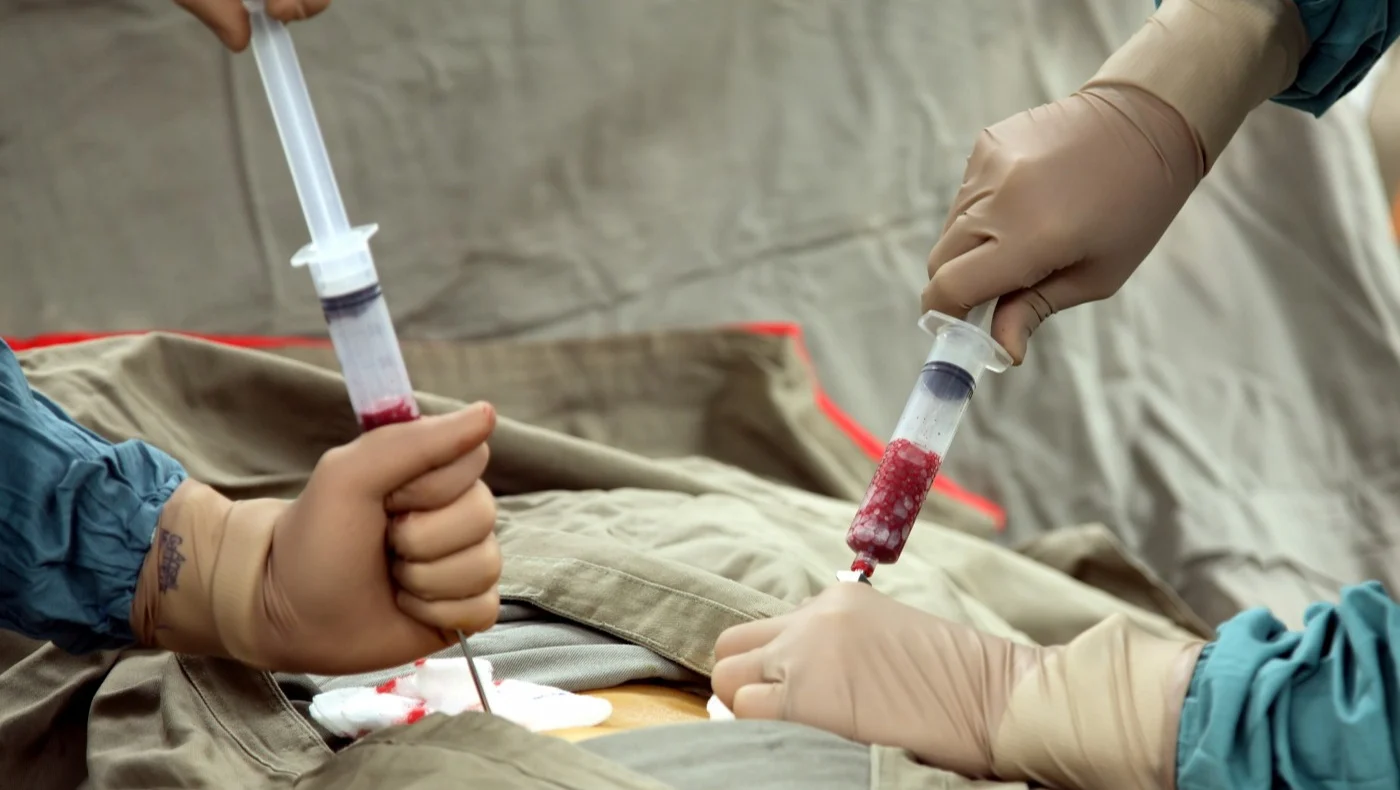

How Are Stem Cells Collected?
1. From Adipose Tissue (Fat-Derived Stem Cells):
One of the most common and safe methods. A small amount of fat is taken from areas like the abdomen, waist, or thighs using a minimally invasive liposuction procedure under local anesthesia. The fat is then processed to isolate the stem cells. This method is widely used in aesthetic applications.
2. From Bone Marrow:
A sample of bone marrow is collected from the pelvic bone using a special needle. The collected material is processed in a lab to extract the stem cells. This method is often used in orthopedic and certain medical treatments.
3. From Peripheral Blood:
Special medications are first given to stimulate the release of stem cells from the bone marrow into the bloodstream. Then, a machine called an apheresis device is used to collect stem cells from the blood. This method is mostly used for blood-related conditions.
4. From Umbilical Cord:
The umbilical cord, collected during childbirth, is rich in stem cells. The tissue is processed in a laboratory, and the stem cells are isolated and stored under proper conditions. This source is typically used for research or donor-based (allogeneic) treatments.
Where Are Harvested Stem Cells Used?
-
Aesthetic and dermatological procedures (skin rejuvenation, scar treatment)
-
Hair loss treatments
-
Joint and musculoskeletal conditions
-
Wound healing and tissue repair support
The harvesting process must be done under sterile conditions by medical professionals, and the patient’s overall health should always be evaluated before the procedure.
 Call
Call
 Whatsapp