


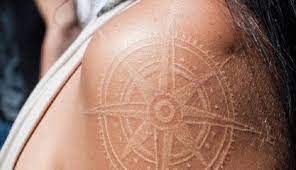

Large Tattoo Removal
A tattoo is one of the ways a person expresses himself/herself. However, tattoos that lose their meaning over time, are aesthetically disturbing or cause problems in professional life may be desired to be removed. Small tattoos are usually easier to remove; however, when it comes to large tattoos, the process should be carried out in a more planned, patient and professional manner. In this article, we convey what you need to know about large tattoo removal in simple and medical language.
Is It Possible to Remove a Large Tattoo?
Yes, with the development of technology, large-sized tattoos can now be successfully removed. However, this process requires more sessions and careful monitoring depending on the structure of the tattoo and skin type. Especially for tattoos spread over large surfaces such as shoulders, back, arms or legs, the procedure planning should be done carefully.
How Does the Removal Process Work?
The removal process for large tattoos usually proceeds with the following steps:
A preliminary evaluation is made: The color, depth, ink density and skin type of the tattoo are analyzed.
A treatment plan is created: The number of sessions, intervals and the type of laser to be applied are determined.
Gradual removal is done: Instead of the entire tattoo area in a single session, it is preferable to perform regional and controlled removal. This protects the health of the skin.
The healing process is monitored between sessions: After each application, the condition of the skin is evaluated and the plan can be revised according to the next session.
Which Lasers Are Used?
Q-Switched Nd:YAG laser or one of the more advanced systems, Pico laser, is generally preferred for removing large tattoos. These devices target the pigments under the skin and break the tattoo ink into small pieces. These pieces are eliminated from the body by the immune system over time.
Q-Switched lasers are effective for black and dark colored tattoos.
Pico laser offers more successful results for colored and multi-layered tattoos.
How Many Sessions Are Required?
For large tattoos, 8-12 sessions may usually be required. In some cases, this number may be increased. Session intervals are usually planned as 6-8 weeks. This period is necessary for the skin to heal and the pigments to be removed.
Is There a Risk of Scarring?
Since the amount of ink processed in large tattoos is high, the skin works harder. Therefore:
Skin type
Quality of the applied device
Experience of the specialist performing the procedure
And post-application care
Factors such as affect the possibility of scarring. However, with correct planning and expert application, the risk of scarring can be minimized.
What to Consider After Application?
The area should be kept dry and clean for the first 48 hours
It should definitely be protected from the sun, high SPF sunscreen should be used
If there is a crust, it should not be picked by hand
Care creams recommended by the doctor should be used regularly
Clothes that may irritate the skin should be avoided
The healing process should be followed more carefully in large areas.
In Conclusion
Large tattoo removal is a process that requires patience and a professional approach. With the right device selection, expert application and regular care, such tattoos can be removed safely and effectively. Personalized planning is of great importance both in terms of skin health and aesthetic results.
If you are considering removing a large tattoo, the best step is to first consult a dermatologist or medical aesthetician for a detailed evaluation.
 Call
Call
 Whatsapp