


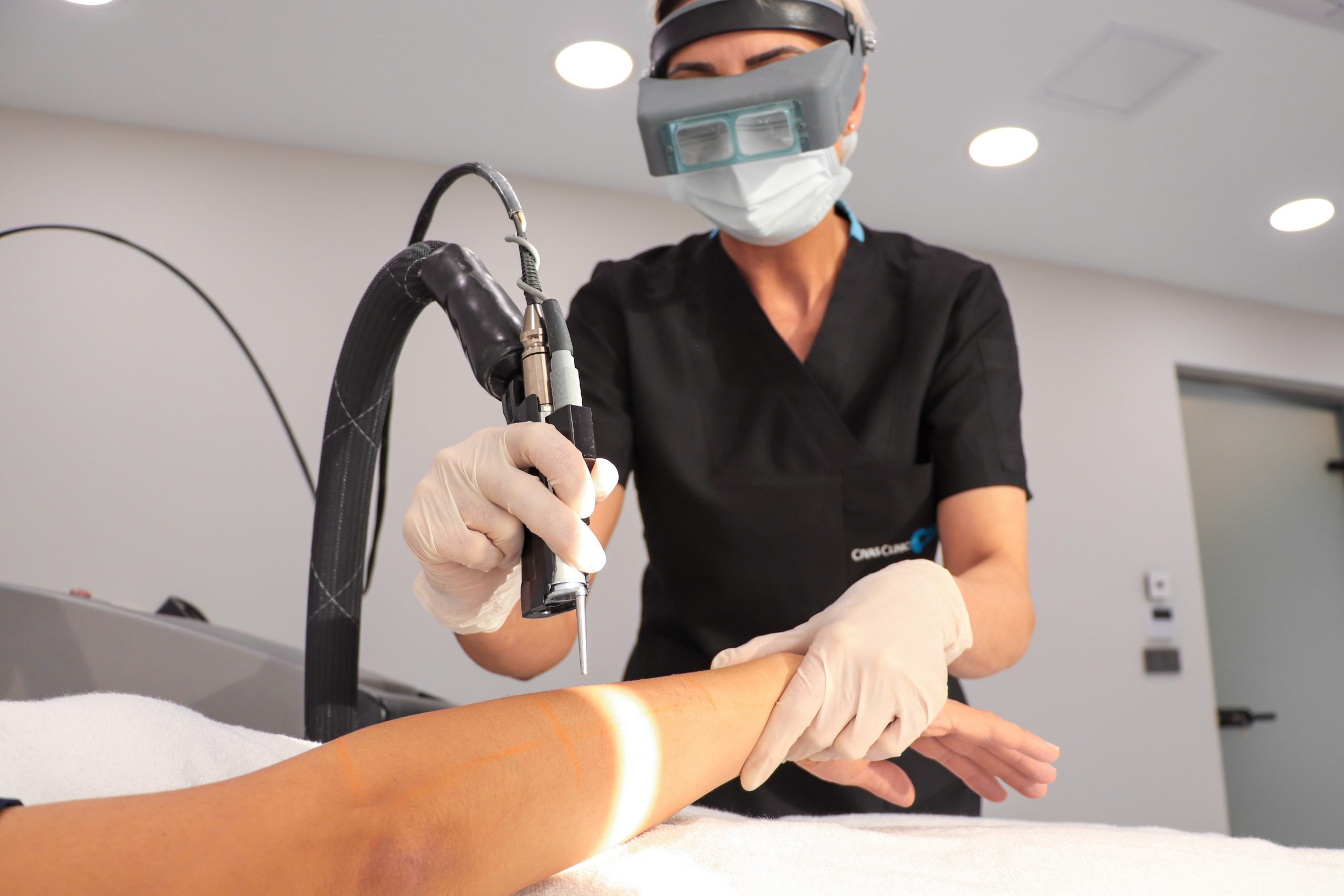

Laser hair removal works thanks to the pigment called melanin. Melanin is the substance that determines the color of the hair. Laser light is absorbed by melanin and damages the hair root by heating it. In this way, the hair does not grow for a long time. Laser hair removal provides more permanent and effective results compared to traditional methods.
Laser hair removal is performed by a specialist dermatologist or aesthetician. Correct adjustment of the light energy and safe application are important to achieve effective and safe results. Laser hair removal is a preferred method for both women and men.
Benefits of laser hair removal
1. Permanent Results: Laser hair removal provides long-term results by targeting the root of the hair. Usually, after 6-8 sessions, most of the hair is permanently eliminated.
2. Speed and Efficiency: Laser hair removal is faster and more effective than traditional methods. Large areas can be processed in a short time, saving time by saving time.
3. Use in Sensitive Areas: Laser hair removal can also be safely applied to sensitive areas such as the face, bikini area and armpits. This way, you can also get rid of hair in hard-to-reach areas of the body.
4. Painless and Comfortable Application: Laser epilation is less painful than traditional methods. Although there is a slight warming sensation during the application, most people can easily tolerate the procedure.
5. Safe and Controlled Results: Laser epilation is performed by experts. In this way, the procedure is performed safely and unwanted effects are avoided.
6. Aesthetic Appearance: Laser epilation provides a clean and smooth skin appearance by preventing hair from growing for a long time. This increases your self-confidence and helps you feel better.
Side effects of laser epilation
Although laser epilation is generally a safe method, some side effects may occur. These include:
7. Temporary Redness and Sensitivity: Due to the light energy, short-term redness and sensitivity may occur after the procedure. However, these effects usually pass within a few hours.
8. Mild Swelling: Temporary mild swelling may occur in the areas where the laser light is applied. This situation returns to normal within a few hours.
9. Color Change: In skin with high melanin content, temporary color change (darkening or lightening) may be observed under the effect of laser light. However, this condition is usually temporary.
10. Risk of Infection: There is a risk of infection during or after the application. Therefore, care should be taken in hygiene and care after the procedure.
11. Hypersensitivity: Some people may develop hypersensitivity to laser light. In this case, the procedure may need to be postponed or a different method may need to be tried.
All of these side effects are usually mild and temporary when managed correctly by a specialist dermatologist or aesthetician. By following your doctor's recommendations, you can have a safe and comfortable laser epilation experience.
How does a laser epilation session go?
A laser epilation session usually includes the following steps:
12. Preparation: Before the session, the area needs to be shaved and cleaned. This allows the laser light to be applied more effectively.
13. Anesthesia Application: A light anesthetic cream can be applied to sensitive areas before the procedure. This reduces discomfort during the procedure.
14. Laser Application: Using a special laser device, the specialist applies light energy to the area where the hair is located. During this time, a slight warming and burning sensation may be felt.
15. Cooling: During the laser application, the skin is cooled. This reduces discomfort during the procedure and prevents side effects.
16. Maintenance: After the session, moisturizer and sunscreen are applied to the area. This supports skin care and the healing process.
Laser epilation sessions usually last between 15-30 minutes. Depending on the size of the area and the density of the hair, the session duration may vary. The frequency of the sessions also varies from person to person, but is usually repeated at intervals of 4-6 weeks.
Laser epilation requires continuity to achieve effective results. After completing the recommended number of sessions, you can prevent hair from growing for a long time with maintenance sessions.
Other areas of use for laser epilation
In addition to hair removal, laser technology can also be used for various aesthetic and health purposes. These include:
17. Skin Spots and Pigmentation Treatment: Laser is effective in treating skin problems such as spots, freckles and age-related pigmentation.
18. Vein Treatment: Spider veins, couperosis and other vein problems can be eliminated with laser treatment.
19. Tattoo Removal: Laser technology is used to safely remove unwanted tattoos.
20. Skin Rejuvenation: Laser is effective in improving problems such as wrinkles, sagging and spots by providing skin renewal.
21. Nail Fungus Treatment: Laser is a safe and effective treatment for nail fungus.
 Call
Call
 Whatsapp