


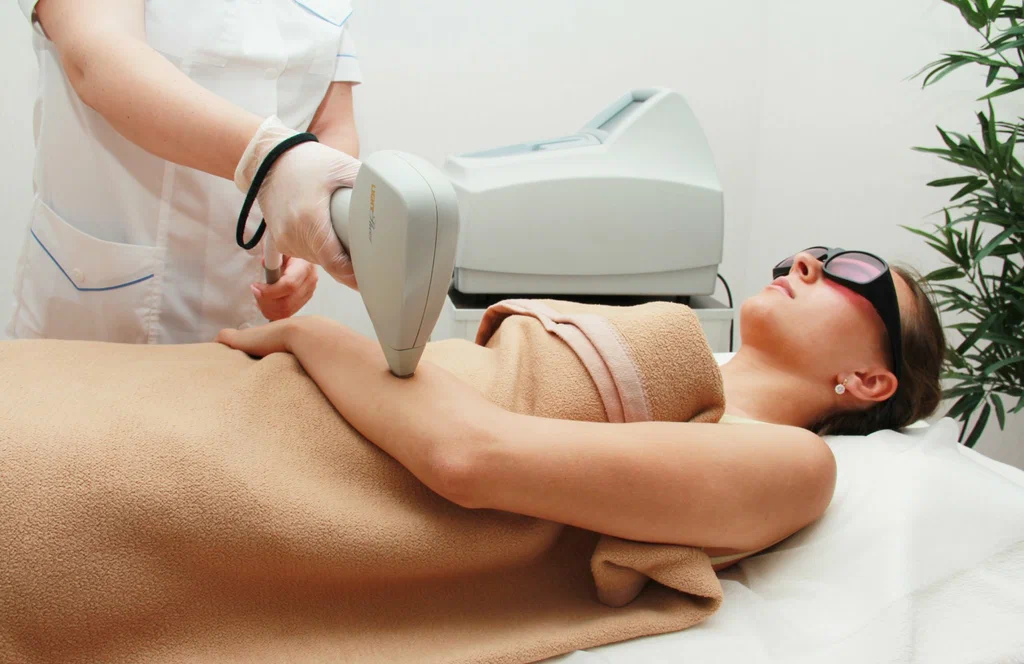

Laser burns are usually temporary, but if not treated properly, they can cause permanent damage. Therefore, it is important to intervene quickly and effectively when a laser burn occurs.
Factors That Cause Laser Burns
There are several factors that can cause laser burns:
Incorrect Laser Settings: Incorrect settings of parameters such as laser device power, pulse duration or spot size can cause overheating and burns to the skin.
Incompatible Skin Types: Certain skin types (such as dark or sensitive skin) may be more sensitive to laser beams and are at higher risk of burns.
Previous Skin Damage: People with previous skin damage such as surgery, radiation therapy or burns may experience more complications during laser treatment.
Medications Used: Certain medications (such as retinoids used to treat acne) can make the skin more sensitive to laser beams.
Not Taking Proper Protective Measures: Not wearing appropriate protective equipment such as eyewear and gloves during laser application can also cause laser burns.
It is important to evaluate these factors well and take the necessary precautions to minimize the risk of laser burns.
Laser Burn Symptoms and Treatment
Laser burn symptoms may include:
Redness
Swelling
Pain or burning sensation
Crusting or peeling
Raised or raised scars
Signs of infection (fever, discharge, bad smell)
The treatment approach may vary depending on the severity of the laser burn:
Mild Burns: Home care can be done with cold compresses, moisturizing creams and painkillers.
Moderate Burns: Topical steroid creams or ointments can be used under the supervision of a doctor. Oral medication can also be given if necessary.
Severe Burns: Hospitalization and intravenous fluid support, topical and oral medications, and even surgical intervention may be required.
The main purpose of laser burn treatment is to prevent infection, relieve pain and ensure that the skin heals as quickly as possible. It is very important to follow the doctor's recommendations and take proper care at home.
What is Laser Burn Cream and How to Use It?
Laser burn cream is a special product used to relieve burn and irritation symptoms on the skin. These creams usually contain soothing, moisturizing and repairing ingredients.
Laser burn cream should be used as follows:
Cleaning: Wash the burned area gently, use a cleanser that does not contain soap or chemicals.
Application: Apply a thin layer of cream, especially to red and irritated areas.
Frequency: Apply 2-3 times a day, preferably at regular intervals during the day.
Coverage: Cover the burned area with a sterile dressing if necessary.
Sun Protection: Avoid sun exposure while the burn is healing.
By using laser burn cream correctly, you can reduce irritation and pain on the skin, speed up healing and reduce the risk of permanent damage.
How to Choose Laser Burn Cream?
When choosing a laser burn cream, you should pay attention to the following factors:
Ingredient Content: It should contain soothing, moisturizing and repairing ingredients such as aloe vera, vitamin E, hyaluronic acid, panthenol.
Formulation: Choose the formulation that suits your skin type from cream, gel or ointment.
Perfume-free: It should not contain perfume, alcohol or other irritating substances.
Suitable for Sensitive Skin: If your skin is sensitive, choose products that are specifically labeled "for sensitive skin".
Doctor's Recommendation: Depending on the severity of your laser burn, it is best to use a specific product recommended by your doctor.
By choosing a suitable laser burn cream, you can heal your skin faster and more effectively.
Choosing the right cream for the healing of your laser burn is very important. You can find the most suitable product by reviewing our expert recommendations right now.
The increasing prevalence of laser treatments has caused complications such as laser burns to become a more common problem. However, with the right care and treatment, we can minimize the effects of such burns.
In addition to reducing skin irritation and pain, laser burn cream also reduces the risk of permanent damage by accelerating the healing process. It is important to carefully consider factors such as ingredient content, formulation and skin sensitivity when choosing a cream.
 Call
Call
 Whatsapp