


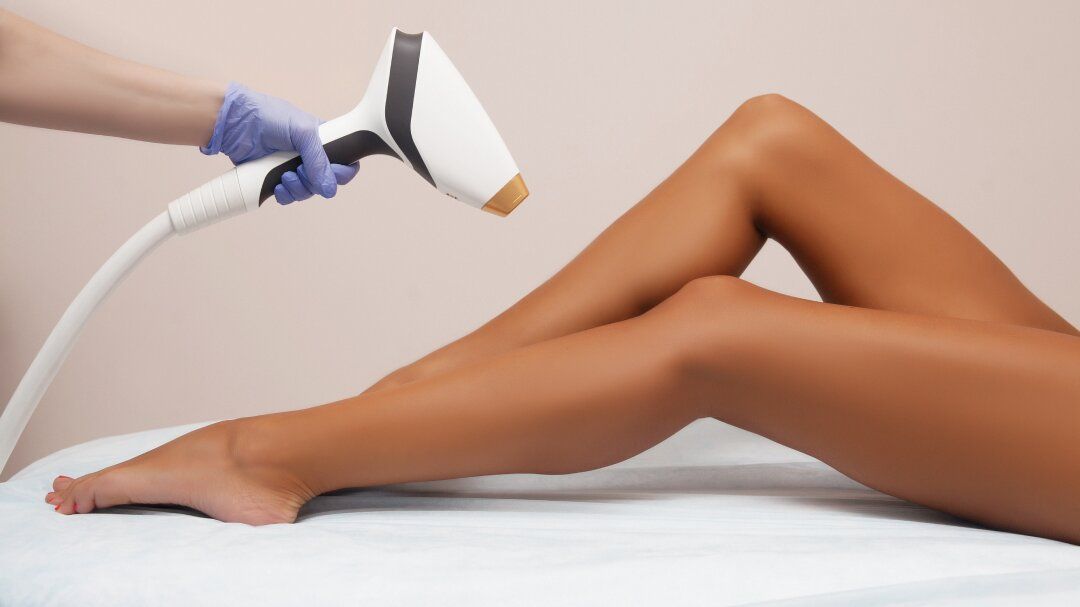

Laser hair removal requires a customized approach based on the person's skin tone and hair structure. This procedure, performed by a specialist dermatologist or aesthetician, is important for safe and effective results. Correct application, selection of the laser technology suitable for the person's skin type, and regular follow-up play a critical role in the success of laser hair removal.
Benefits of Laser Hair Removal
Laser hair removal offers many advantages:
1. Permanent Results: The laser beam prevents hair from growing back by targeting the hair follicles. This provides a long-term, permanent solution.
2. Speed and Comfort: Compared to traditional methods, laser hair removal is faster and more comfortable. You can get rid of unwanted hair with a short procedure.
3. Sensitive Areas: Laser hair removal can be safely applied to sensitive areas of the body (e.g. bikini area, underarms).
4. Skin Health: Since laser hair removal targets the hair follicles, it prevents skin irritation caused by traditional methods such as pulling or scraping the hair.
5. Time Saving: Thanks to regular laser hair removal sessions, you can permanently get rid of unwanted hair and simplify the care process.
What to Expect After 3 Laser Hair Removal Sessions?
Laser hair removal is a procedure that is usually performed in 6-8 sessions. After the first 3 sessions, depending on the person's skin type, hair density and other factors, you can expect the following results:
6. Hair Reduction: At the end of the first 3 sessions, a significant decrease in hair density is observed. The hair becomes sparser and thinner.
7. Slower Hair Growth Rate: The rate of hair regrowth slows down and hairlessness is achieved for a longer period of time.
8. Skin Smoothing: Hair reduction contributes to a smoother and more even appearance of the skin.
9. Increased Confidence: Getting rid of hair increases the person's self-confidence and comfort.
10. Improvement in the Care Process: With regular laser hair removal sessions, the person's hair care routine becomes easier and results are achieved in a short time.
Laser Epilation Results and Process
The laser epilation process may vary depending on the person's skin type, hair density and other factors. However, the following process is generally followed:
11. Preliminary Assessment: First, a dermatologist or aesthetician evaluates the skin type, hair density and other features. The appropriate laser technology is selected.
12. First Session: The first session is performed with laser beams adjusted to the person's skin and hair structure. This session forms the basis for hair reduction.
13. Follow-up Sessions: The second session is performed 4-6 weeks after the first session. Then, follow-up sessions are performed every 4-8 weeks. During this process, hair density and thickness gradually decrease.
14. Evaluation of Results: After each session, the person's satisfaction and the results obtained are evaluated. If necessary, laser settings or the number of sessions can be updated.
15. Maintenance Sessions: Although laser epilation is a permanent solution, it requires 1-2 maintenance sessions per year. In this way, hair regrowth is prevented.
Factors Affecting Laser Epilation
There are various factors that affect laser epilation results:
16. Skin Type: Light-colored skin absorbs laser beams better and provides more effective results.
17. Hair Color: Since dark-colored hair absorbs laser beams better, more successful results are obtained.
18. Hair Density: More sessions may be required in areas with dense hair.
19. Hormonal Imbalances: Some hormonal disorders may cause hair to regrow and may require follow-up sessions.
20. Age: In young people, the rate of hair regrowth may be higher and more sessions may be required.
21. General Health Status: Some diseases or medication use may affect laser epilation results.
Taking these factors into consideration and adopting a personalized approach increases the success of laser epilation.
What to Do Between Laser Epilation Sessions
It is important for the person to take care of their skin care and health between laser epilation sessions. The following steps can be applied between sessions:
22. Skin Care: After the session, it is necessary to protect the skin with a light moisturizer and protect it from sunlight.
23. Sun Protection: After laser hair removal, it is important not to expose the skin to sunlight. Sunscreen should be used.
24. Exercise and Activities: Avoiding intense exercise and activities for a few days after the session supports the healing of the skin.
25. Hygiene: Keeping the epilation area clean and not using excessively irritating products reduces the risk of infection.
26. Nutrition: A healthy and balanced diet supports the body's healing process.
27. Stress Management: Stress can affect hair growth. Relaxation techniques can help reduce stress.
 Call
Call
 Whatsapp