



Why May Hair Not End?
The Number of Sessions May Be Insufficient
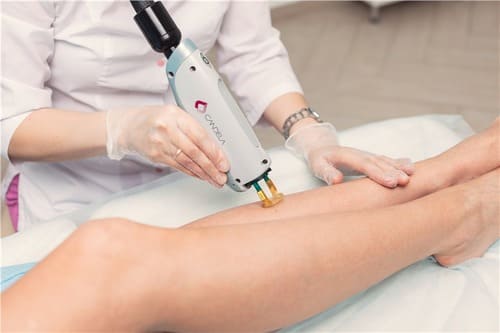
Laser epilation is effective in the growth phase (anagen) of hair. However, since not all hairs are in this phase at the same time, it is not possible to completely remove them with a few sessions.
Visible results are usually achieved within 6-10 sessions, but this period may be longer for some people.
Hormonal Factors
Polycystic ovary syndrome (PCOS), thyroid diseases or hormone imbalances may reduce the effect of laser epilation.
In such cases, hormonal treatment may be required along with laser.
Wrong Device Selection
The laser device suitable for each skin and hair type is different.
While Alexandrite laser is most effective for people with light skin and dark hair color, Diode or ND:YAG laser gives better results for people with dark skin or thin hair.
If the right device is not selected, the laser may not be effective enough.
Irregular Sessions
If the session intervals are irregular, the hair roots may become stronger again and it may be difficult to get results.
Sessions should be continued for the recommended periods.
Thin and Light Colored Hair May Be Resistant
Laser epilation affects hairs containing melanin. White, yellow or very thin hairs may not be eliminated because they cannot absorb the laser light sufficiently.
In this case, different methods such as needle epilation may be preferred.
What is the Solution?
✔ Sessions should be continued regularly.
✔ You should choose the right laser device suitable for your skin and hair structure.
✔ You can consult a specialist to understand if there is a hormonal problem.
✔ Alternative methods can be considered for thin and light colored hair.
Conclusion
Laser hair removal is a method that can completely remove hair, but everyone's body reacts differently. If hair loss does not occur despite sessions, the device used, session order or hormonal factors should be reviewed. It is important to get support from a specialist to get the best results.
 Call
Call
 Whatsapp