


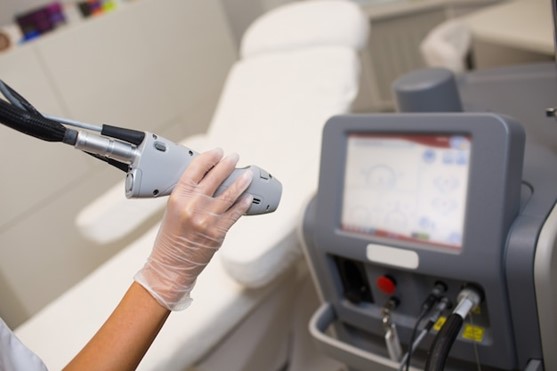

Laser hair removal works based on the melanin content of the hair follicles. Melanin is the pigment that determines the color of the hair. Laser light targets the hair follicles that contain melanin and destroys them. In this way, the hair is prevented from growing back.
Laser hair removal provides more permanent results and offers a less painful experience than traditional hair removal methods. However, this method also has some potential harms and side effects. Therefore, it is important to make a careful evaluation before laser hair removal.
Laser Hair Removal Harms
Skin Burns
During laser hair removal, high-energy light beams can overheat the skin. This can cause serious burns, especially on sensitive skin. The occurrence of burns can vary depending on the person's skin type, laser settings, and the application area.
Pigment Changes
Laser light can damage cells that contain melanin. This can lead to unwanted pigment changes such as hyperpigmentation (dark spots) or hypopigmentation (light spots) in the treated areas. Such changes may be temporary or permanent.
Risk of Infection
Laser hair removal can increase the risk of infection by disrupting the integrity of the skin. If proper hygiene measures are not taken, bacterial or fungal infections may develop. Such infections may show symptoms such as pain, redness, swelling and discharge.
Nerve Damage
Laser light can sometimes damage nerve cells. This can cause nervous system problems such as numbness, tingling or tenderness in the treated area. Such side effects are usually temporary, but rarely permanent.
Color Changes
Laser hair removal can cause skin color changes. Unwanted color changes such as redness, bruising or whiteness may be observed in the treated areas. Such changes are usually temporary, but in some cases they may be permanent.
Hypersensitivity
Laser hair removal can cause hypersensitivity of the skin. Increased sensitivity to sunlight, hot water or other stimuli may be observed in the treated areas. This may be temporary or permanent.
Poor Results
Sometimes, laser hair removal may not produce the desired results. There may be situations where the hair does not completely disappear, thicker and harder hair grows, or the hair grows back quickly. Such bad results may depend on the person's skin structure, hair type, or application technique.
Side Effects of Laser Hair Removal
Laser hair removal can cause various side effects. These include:
Redness and Swelling: Temporary redness and swelling may occur in the treated areas. This usually goes away on its own within a few hours.
Pain and Discomfort: Laser light can cause pain and discomfort in some people. This usually occurs during or immediately after the procedure.
Blistering and Crusting: Swelling and crusting may occur in the treated areas as a result of damage to the hair follicles. This may continue throughout the healing process.
Hyperpigmentation: Laser light damages melanin-containing cells, which can cause dark spots (hyperpigmentation) in the treated areas.
Hypopigmentation: In some cases, laser light can break down melanin cells and cause whiteness (hypopigmentation) in the treated areas.
Temporary Hair Growth: After the procedure, hair growth may temporarily increase due to damage to the hair follicles.
Infection: If proper hygiene measures are not taken, bacterial or fungal infections may develop in the treated areas.
These side effects are usually temporary and disappear during the healing process. However, in some cases, permanent results may be seen. Therefore, it is important to be regularly checked by a specialist dermatologist before and after laser hair removal.
 Call
Call
 Whatsapp