


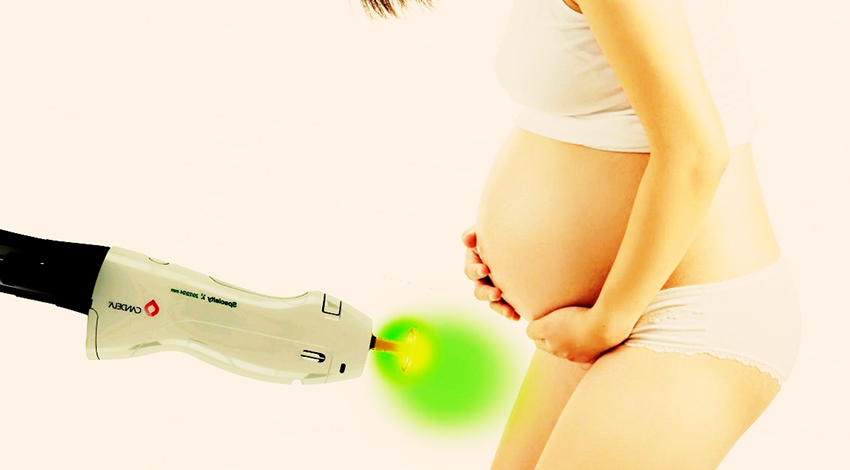

Laser hair removal offers longer-lasting results compared to traditional hair removal methods and is preferred by many people. This procedure can be applied to various areas of the body such as the face, arms, legs, underarms, bikini area and back.
Laser hair removal is usually performed in several sessions. A certain amount of time must be waited between each session, because hairs have different growth cycles, so different hairs can be targeted in each session. The number of sessions varies depending on the area treated, hair color and thickness.
Advantages:
Permanent hairlessness
Less painful and uncomfortable
Save time
Does not require maintenance
Disadvantages:
Can be expensive
Requires several sessions
May cause slight burns or redness
Laser hair removal is generally considered safe and is preferred by many people. However, some precautions should be taken before and after the procedure. In addition, special conditions such as pregnancy should be taken into consideration.
Effects of Laser Hair Removal on Pregnancy
There is ongoing debate about the effects of laser hair removal on pregnancy. Some experts argue that laser hair removal is safe during pregnancy, while others are more cautious.
The possible effects of laser hair removal on pregnancy are as follows:
Hormonal Changes: Hormonal changes that occur during pregnancy can affect hair growth. Therefore, the effectiveness of laser hair removal may decrease or the results may be different than expected.
Increased Sensitivity: The body's sensitivity increases during pregnancy. This may cause laser hair removal to feel more uncomfortable or painful.
Circulatory Changes: The circulatory system changes during pregnancy. This may affect the effectiveness of laser hair removal or cause side effects.
Safety Concerns: The possible effects of laser hair removal on the fetus are not fully known. For this reason, some experts advise against laser hair removal during pregnancy.
In general, there is no clear consensus on the effects of laser hair removal on pregnancy. However, many experts believe that laser hair removal is safe during pregnancy.
Can Laser Epilation Be Performed During Pregnancy?
It is difficult to give a definitive answer as to whether laser epilation can be performed during pregnancy. This issue causes debate among experts.
While some experts argue that laser epilation is safe to perform during pregnancy, others take a more cautious approach on this issue. In case of laser epilation during pregnancy, the following points should be taken into consideration:
Trimester: Many experts do not recommend performing laser epilation in the first trimester. During this period, a critical process is experienced for the development of the fetus and no risk is desired. In the second and third trimesters, laser epilation is considered safer.
Region: The area where laser epilation will be performed is also important. Laser epilation is not recommended in sensitive areas such as the genital area. It is considered safer in areas such as the face, arms or legs.
Number of Sessions: If laser epilation is to be performed during pregnancy, as few sessions as possible should be performed. Too many sessions may increase the possible risks to the fetus.
Expert Opinion: The opinion of the specialist who will perform the laser epilation procedure is also important. The specialist will evaluate the pregnancy status and decide whether laser epilation is safe or not.
In general, laser epilation can be performed during pregnancy, but an expert opinion should be obtained on this subject and the necessary precautions should be taken. Pregnancy is a special situation and each woman may carry different risks. Therefore, it is important to make a personal assessment and take the necessary precautions.
Safety and Risks of Laser Epilation
Laser epilation is generally considered a safe method. However, like every procedure, laser epilation also has certain risks. These risks may vary depending on factors such as the experience of the specialist performing the procedure, the quality of the device used and the person's skin type.
Possible risks of laser epilation are as follows:
Burns: Laser beams can cause mild burns on the skin. These burns are usually mild and temporary, but in severe cases, they can lead to permanent scars.
Pigmentation Changes: Laser epilation can cause changes in the pigmentation of the skin. This is especially common in darker skin tones. Pigmentation changes can be temporary or permanent.
Redness and Itching: After laser hair removal, redness and itching may occur on the skin. This is usually temporary and disappears within a few days.
Risk of Infection: During the laser hair removal process, small wounds may occur on the skin. These wounds can increase the risk of infection. This
 Call
Call
 Whatsapp