



Laser Hair Removal Surgery
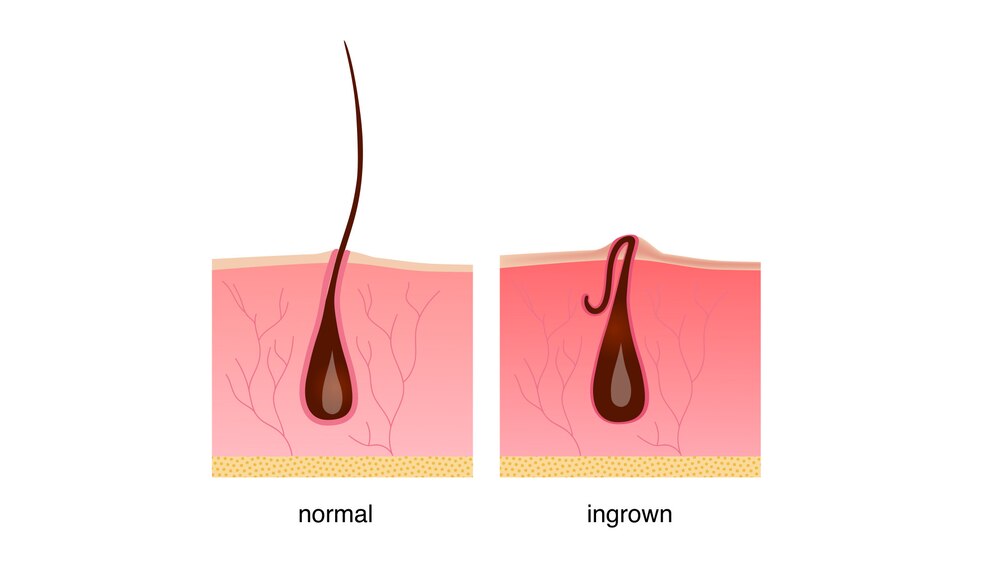
Ingrown hairs can significantly affect a person's quality of life. Symptoms such as pain, swelling, redness, discharge and infection may occur. This condition can make daily activities and social life difficult. Early diagnosis and appropriate treatment can prevent ingrown hairs from progressing and reduce complications.
Symptoms and Causes of Ingrown Hairs
The most common symptoms of ingrown hairs are:
• A painful, tender area
• Redness and swelling
• Small holes or openings on the skin
• Discharge or foul odor
• Recurrent infections
Causes of ingrown hairs include:
1. Genetic predisposition: Some people may be at a higher risk of developing ingrown hairs.
2. Blocked hair follicles: Blocked hair follicles in the skin can cause hairs to grow inward.
3. Excessive sweating: Excessive sweating in the waist area can increase the risk of ingrown hairs.
4. Obesity: Ingrown hairs are more common in overweight people.
5. Inadequate hygiene: Lack of personal hygiene habits can increase the risk of ingrown hairs.
Ingrown Hair Treatment Methods
Various methods can be used in ingrown hair treatment. These include:
• Conservative treatment: Methods such as antibiotics and antiseptic drugs, painkillers, hot applications.
• Surgical treatment: Surgical removal (excision) of the ingrown hair area.
• Laser treatment: Treatment of the ingrown hair area with laser beams.
Which of these treatment methods will be applied is determined according to the severity of ingrown hair, the patient's health status and other factors.
What is Laser Ingrown Hair Surgery?
Laser ingrown hair surgery is a method used to surgically treat ingrown hair problem. This procedure is performed using a special laser device.
In laser ingrown hair surgery, inflamed and damaged tissue is burned and removed with laser beams. Thus, the problematic areas in the ingrown hair area are cleaned and the healing process begins. Laser technology offers less risk of wound, pain and bleeding compared to traditional surgical methods.
Laser ingrown hair surgery is usually performed under local anesthesia. The duration of the surgery may vary depending on the size of the ingrown hair, but the average is between 30-60 minutes. Patients are kept under observation in the hospital for a short time after the surgery and then discharged.
Before and After Laser Hair Regrowth Surgery
Before laser hair regrowth surgery, patients should make the following preparations:
6. Consultation with the doctor: A detailed interview is held with the doctor before the surgery. The doctor obtains information about the patient's health status, medication use, allergies, etc.
7. Regional cleaning: The surgical area is carefully cleaned one day before the surgery.
8. Pre-anesthesia explanations: Information is obtained about the anesthesia application and possible risks are evaluated.
After laser hair regrowth surgery, patients may experience the following processes:
• Pain and discomfort: Pain and discomfort may be felt in the surgical area, but can be controlled with painkillers.
• Wound care: The surgical area should be kept clean and dry as recommended by the doctor.
• Healing process: Healing is usually achieved within 2-4 weeks, but full healing can take up to 6-8 weeks.
• Follow-up examinations: The doctor recommends regular follow-up examinations to closely monitor the healing process.
Laser hair regrowth surgery provides an effective and permanent solution for most patients. The recovery process after surgery may vary from patient to patient, but it is possible to achieve the best results by following the doctor's recommendations.
 Call
Call
 Whatsapp