


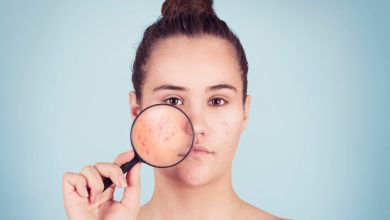

What is Laser Skin Tone Equalization?
Laser skin tone equalization is an effective treatment method used to correct skin color irregularities (sun spots, melasma, acne scars, etc.). Laser lights target the melanin (color pigment) and pigment cells under the skin, helping to eliminate spots and making the skin tone more homogeneous.
In Which Cases Can It Be Applied?
Laser treatment is especially preferred for the following skin problems:
Sun spots and age spots
Acne scars and blemishes
Melasma (pregnancy mask)
General color inequalities on the skin
How Does It Work?
When laser lights are applied to the skin surface, they penetrate the areas where the pigments are located and break down these pigments. It reduces the appearance of spots and scars, while making the skin smoother and brighter. Methods such as fractional laser and Q-Switch laser target spots while protecting the surrounding tissues and providing rapid healing.
Laser Skin Tone Equalization Procedure
Laser treatment is usually a procedure that takes 15-30 minutes. There may be a slight warming and sometimes discomfort during the application, but anesthesia is usually not required. The skin may be slightly red after the procedure, but this passes within a few hours.
When Are Results Seen?
After the first few sessions, inequalities in skin tone are observed to decrease. Full results usually appear after 4-6 weeks. Several sessions may be required for stain treatment, but session intervals usually vary between 2-4 weeks.
Pay Attention to Skin Care
The skin becomes sensitive after laser, so proper care is very important. Sun protection is the most critical step. Using sunscreen helps speed up the healing process and prevent the formation of new stains. In addition, the skin should be moisturized after laser and irritating products should be avoided.
Who is Suitable for?
Laser skin tone equalization is generally suitable for people with healthy skin and an active skin problem. However, skin type, stain type and response to treatment may vary from person to person. Whether laser treatment is suitable for everyone should be evaluated by a specialist dermatologist and a treatment plan should be prepared according to individual needs.
 Call
Call
 Whatsapp