


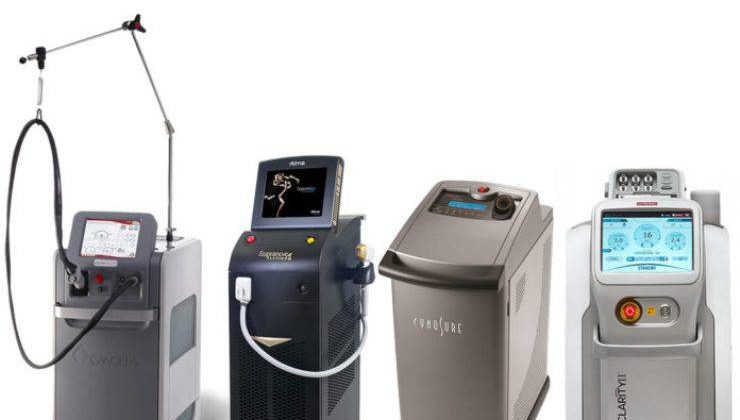

Laser allergy usually manifests itself with symptoms such as redness, itching, swelling and burning sensations. These reactions may occur immediately or several days after laser treatment. Some people may experience more severe reactions during repeated laser treatments.
Laser allergy can vary from person to person and can vary depending on age, skin type, health status and other factors. Some people may be more sensitive to certain wavelengths of laser, while others may react to different types of lasers.
Laser Allergy Symptoms
Laser allergy symptoms may include:
• Red, raised rashes
• Severe itching
• Burning sensation
• Skin sensitivity
• Swelling
• Dryness
• Flaking
• Peeling
These symptoms may occur immediately or several days after laser treatment. Some people may experience more severe reactions during repeated laser treatments.
Laser allergy is usually temporary and can be resolved with appropriate treatment. However, it can cause permanent skin damage in some people. Therefore, it is important to talk to your doctor before laser treatments and evaluate the possible risks.
Causes of Laser Allergy
Although the exact cause of laser allergy is not fully understood, the following factors may play a role:
1. Skin Sensitivity: Some people's skin may be more sensitive to laser light. This may occur due to genetic factors, skin type, age or other health problems.
2. Photosensitivity: Certain medications, cosmetics or medical conditions can make a person more sensitive to laser light. This can cause photoallergic reactions.
3. Immune System Response: Laser light can stimulate the body's immune system, causing an overreaction. This can lead to allergic reactions.
4. Laser Type: Different types of lasers have different wavelengths and therefore their effects on the skin can vary. Some people may be more sensitive to certain types of lasers.
5. Previous Experiences: People who have had laser treatments before may be at a higher risk of experiencing allergic reactions with repeat procedures.
Although the causes of laser allergy are not fully understood, factors such as personal factors, health status and laser type play important roles.
How is Laser Allergy Diagnosed?
Diagnosis of laser allergy is usually accomplished with the following steps:
6. Medical History: Your doctor will ask about your and your family's medical history, medications you use, skin problems, and previous laser experiences.
7. Physical Exam: Your doctor will check your skin for any reactions. He or she will evaluate your skin for symptoms such as redness, swelling, and itching.
8. Skin Test: In some cases, your doctor may perform a skin test to confirm laser allergy. This test involves applying a small laser to the skin and observing the reactions.
9. Laboratory Tests: Blood tests can be used to determine the cause of allergic reactions. These tests can detect immune system responses or other allergic factors.
10. Imaging Tests: Sometimes, your doctor may order imaging tests (such as a biopsy) to evaluate skin damage or infection.
The diagnostic process can vary from person to person. Your doctor will evaluate your specific situation and choose the most appropriate diagnostic method. A correct diagnosis is very important for determining the appropriate treatment plan.
How is Laser Allergy Treated?
Laser allergy treatment usually includes the following steps:
11. First Aid: Cold compresses, moisturizing creams or antihistamines can be used for the first symptoms (redness, itching, burning sensation) that occur after laser treatment.
12. Topical Treatments: Your doctor may prescribe topical corticosteroids or antibiotic creams to control skin reactions.
13. Systemic Treatments: In severe reactions, your doctor may recommend oral antihistamines, corticosteroids or other medications.
14. Changing the Type of Laser: If you are allergic to a certain type of laser, your doctor may recommend switching to a different type of laser.
15. Desensitization Treatment: In some cases, desensitization treatment with controlled laser exposure may be applied. This method aims to increase the body's tolerance to laser light.
16. Skin Care: Your doctor may recommend moisturizing your skin, protecting it from the sun and other supportive skin care measures.
The treatment process may vary depending on the person's reaction and severity. Your doctor will determine the most appropriate treatment method for you. With appropriate treatment, most cases of laser allergy can be managed successfully.
Laser Allergy Prevention Methods
The following methods can be applied to prevent laser allergy:
17. Sharing Medical History: Share information with your doctor about previous skin reactions, medications you are taking, and other health problems.
18. Skin T
 Call
Call
 Whatsapp