


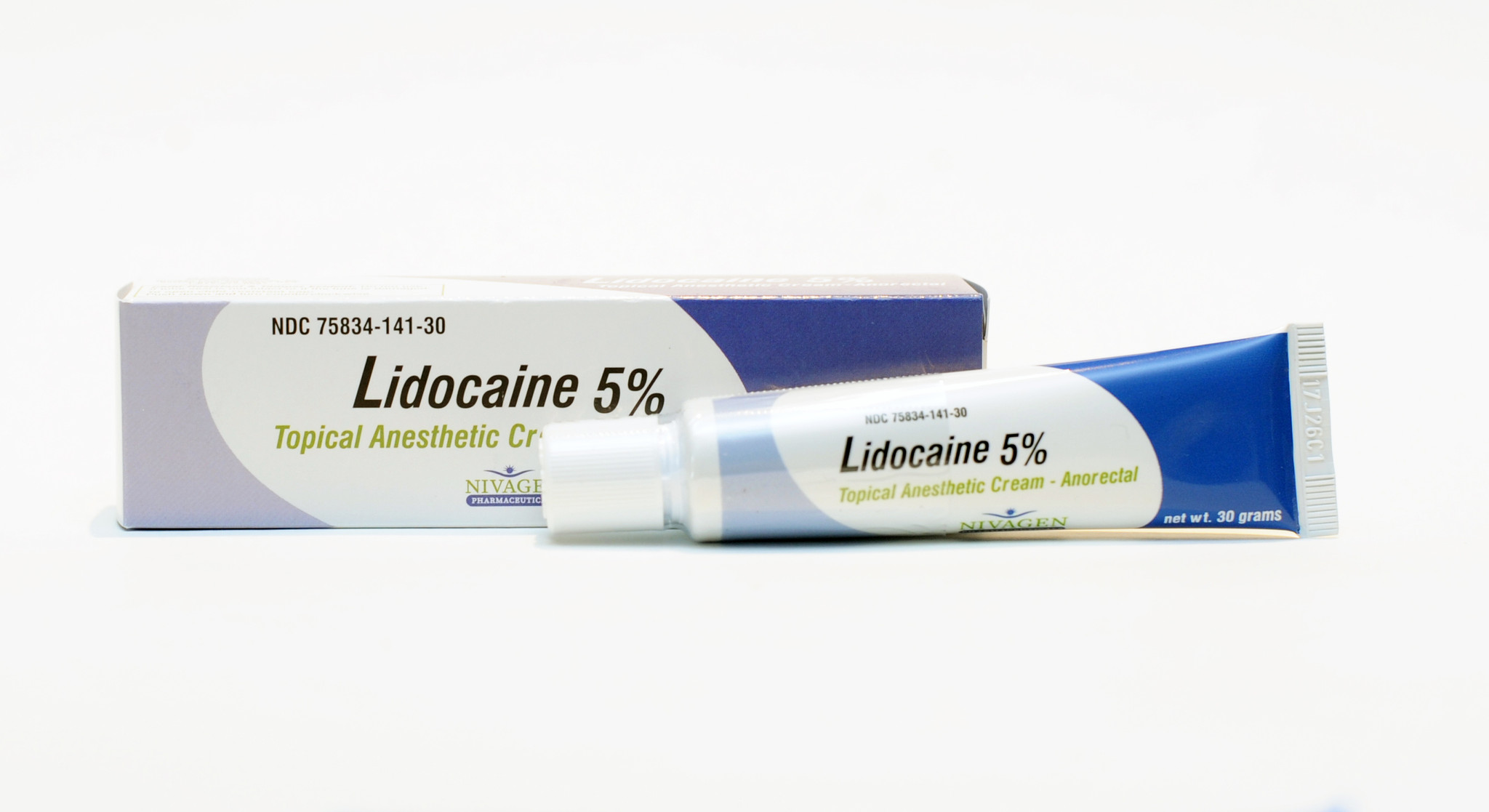

Lidocaine cream is especially preferred as an effective solution in the treatment of sunburns, insect bites, cuts, abrasions, joint pain, muscle pain and other skin conditions. Since it is a topical application, it has fewer systemic side effects and is easy to use.
Lidocaine cream is an over-the-counter product and can be easily obtained from pharmacies. However, it is important to consult your doctor before use, especially if you have any health problems or are concerned that it may interact with other medications.
What is Lidocaine Cream Used For?
Lidocaine cream is used in the treatment of various skin conditions. Its main areas of use are:
Sunburns: Lidocaine cream is an effective solution to relieve the pain and discomfort of sunburns.
Insect Bites and Stings: Lidocaine cream can be used to reduce itching and pain caused by insect bites and stings.
Cuts, Scrapes and Minor Wounds: Lidocaine cream relieves pain during the healing process of minor cuts, scrapes and wounds.
Joint and Muscle Pain: Lidocaine cream can be used to treat joint and muscle pain such as arthritis, bursitis and tendonitis.
Hemorrhoids: Lidocaine cream can be applied to relieve hemorrhoid symptoms.
Painful Skin Lesions: Lidocaine cream can be used to reduce pain in the treatment of various skin lesions (warts, fungal infections, etc.).
Lidocaine cream usually provides short-term relief and helps relieve symptoms temporarily. However, for chronic or severe conditions, it is important to follow your doctor's recommendations and evaluate long-term treatment options.
How to Use Lidocaine Cream?
It is recommended that you follow the steps below for the correct and effective use of Lidocaine cream:
Cleaning: First, clean the affected area with mild soap and warm water. Dry the skin thoroughly.
Application: Apply a small amount of the cream to the affected area by gently massaging it. Follow the instructions for use specified on the cream.
Waiting Time: You usually need to wait 5-10 minutes for the lidocaine cream to take effect. Avoid touching the area during this time.
Repetition: You can apply the cream several times a day as often as your doctor recommends.
Things to Consider: It is important not to get the cream into your eyes, nose and mouth. It is also recommended that you consult your doctor for sensitive areas and long-term use.
Storage: Store lidocaine cream in a cool, dry place out of reach of children.
If you experience any discomfort, side effects or suspicious situations while using lidocaine cream, you should consult your doctor immediately.
Frequently Asked Questions About Lidocaine Cream
1. Is lidocaine cream safe? Yes, lidocaine cream is generally a safe product. However, side effects may occur in cases such as overdose, long-term use or use in sensitive areas. Therefore, it is important to follow the instructions for use and consult your doctor.
2. Does lidocaine cream have side effects? Common side effects of lidocaine cream include mild skin irritation, redness, itching, and burning. Serious side effects are rare, but can occur with overdose or long-term use. In such a case, it is important to consult your doctor.
3. Can lidocaine cream be used during pregnancy? Care should be taken when using lidocaine cream during pregnancy. It is recommended that you consult your doctor during pregnancy to get their approval and follow their instructions.
4. Can lidocaine cream be used in children? Yes, lidocaine cream can also be used in children. However, it is important to follow your doctor's recommendations regarding dosage and application. Caution should be exercised when using it in children and excessive use should be avoided.
5. Can lidocaine cream interact with other medications? Yes, lidocaine cream can interact with other medications. Caution should be exercised especially when using it with blood thinners, antidepressants, or other topical products. It is important to determine the appropriate use by consulting your doctor.
 Call
Call
 Whatsapp