


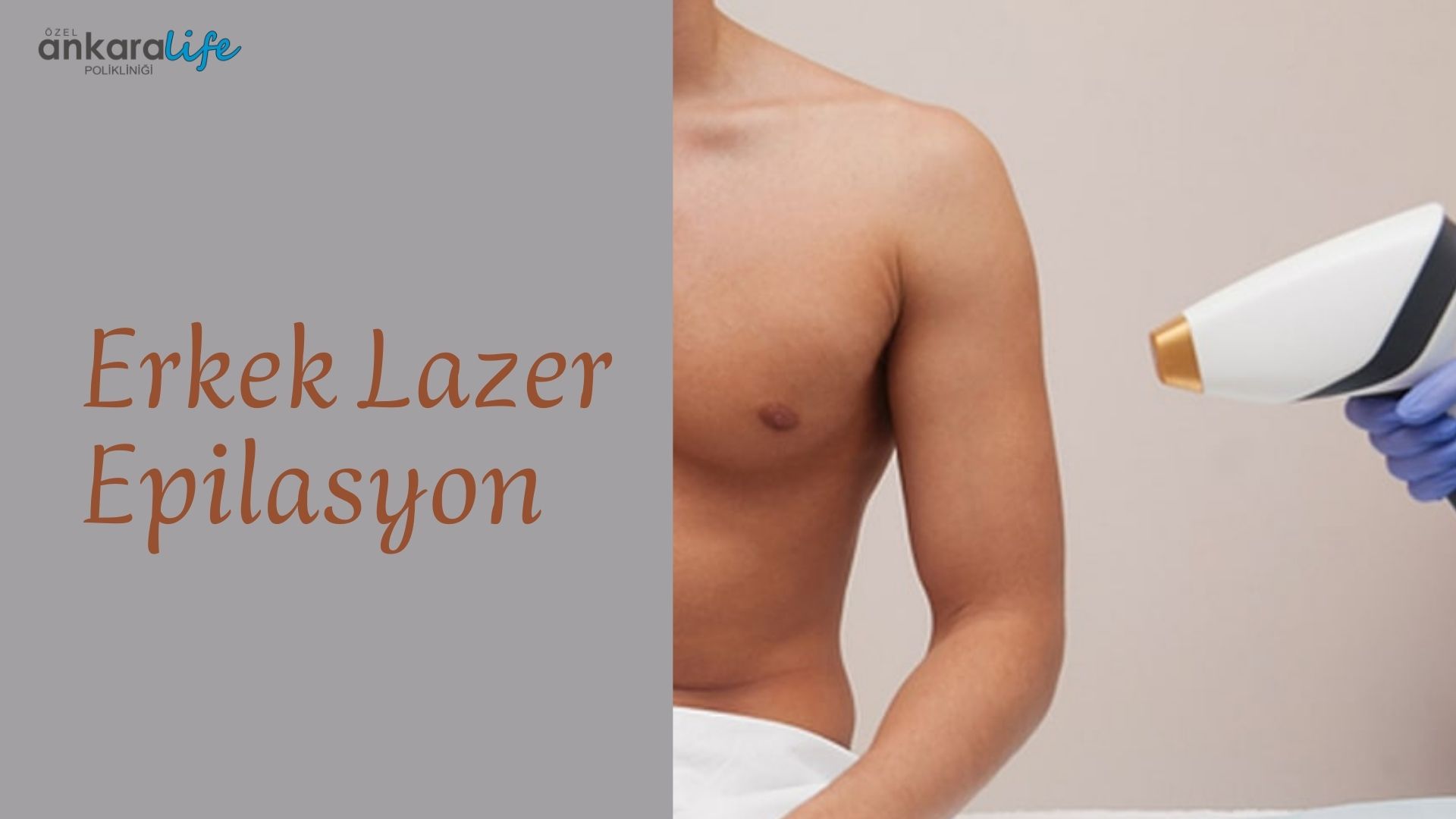

Male laser hair removal has an increasing demand. Many men who want to get rid of unwanted hair permanently apply to epilation applications. There is no difference between male or female epilation. The volume of hair follicles in men is larger than in women. Therefore, it can absorb the laser beam better. For this reason, laser operations in men take even shorter. Other factors that make the duration shorter are skin color and hair color. The lighter the skin color, the faster the procedure will be completed. In the same way, even if the hair color is not light, it will ensure that the laser epilation process is shorter.
Devices Used in Male Laser Epilation
The main criteria that ensure the success of male laser hair removal procedures are devices. There are three types of epilation device types. These are NdYag, Diode laser, alexandrite lasers. Even though NdYag type models are mostly used for epilation purposes, these machines are also very successful in skin stains and vascular problems. Compared to other types, it shows less success. Diode and Alexandrite type laser epilation devices are the most successful devices used in the world. The main difference between the two is that Alxandrite type models are more successful in the body areas, while diode type models are used more effectively in the face area. These devices are also used in male hair removal procedures for permanent hair removal.
Male Laser Hair Removal Application Areas
It is applied to all body parts with unwanted hair as male laser epilation application areas. The most preferred areas on the face are between the eyebrows and above the beard. Apart from these, belly, back, shoulders and nape areas are also preferred in permanent male hair removal applications. Among the athletes, there are demands for epilation on their arm, leg and armpit hairs. Genital area laser application such as ingrown hair is also preferred for the definitive solution in this area. In general, the epilation process in men takes between 5 minutes and 1 hour, based on the width of the area. In these procedures, 6 to 8 sessions are required to get results. Session intervals are on average 1 month.
 Call
Call
 Whatsapp